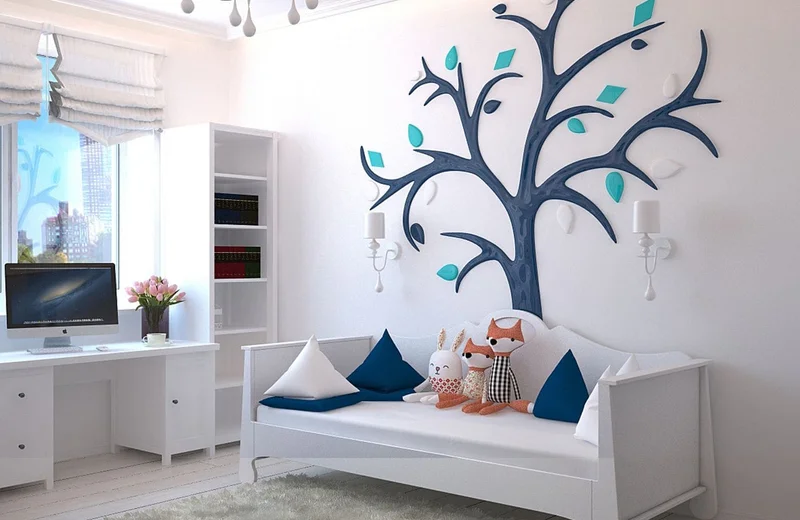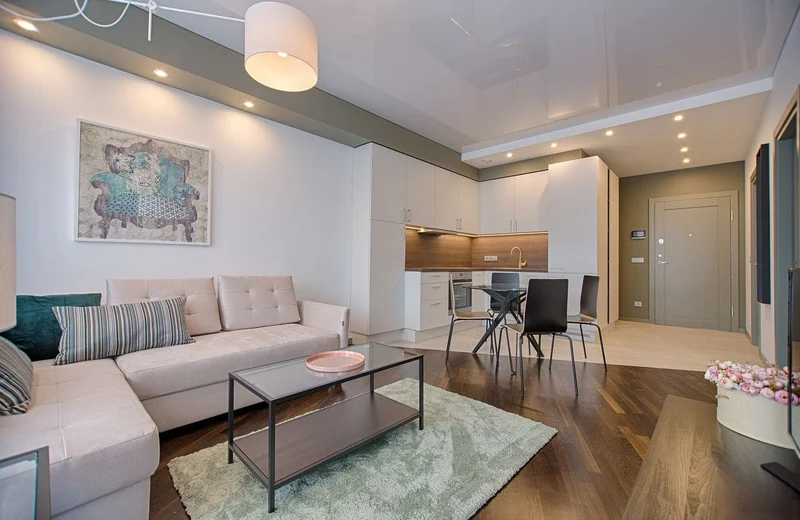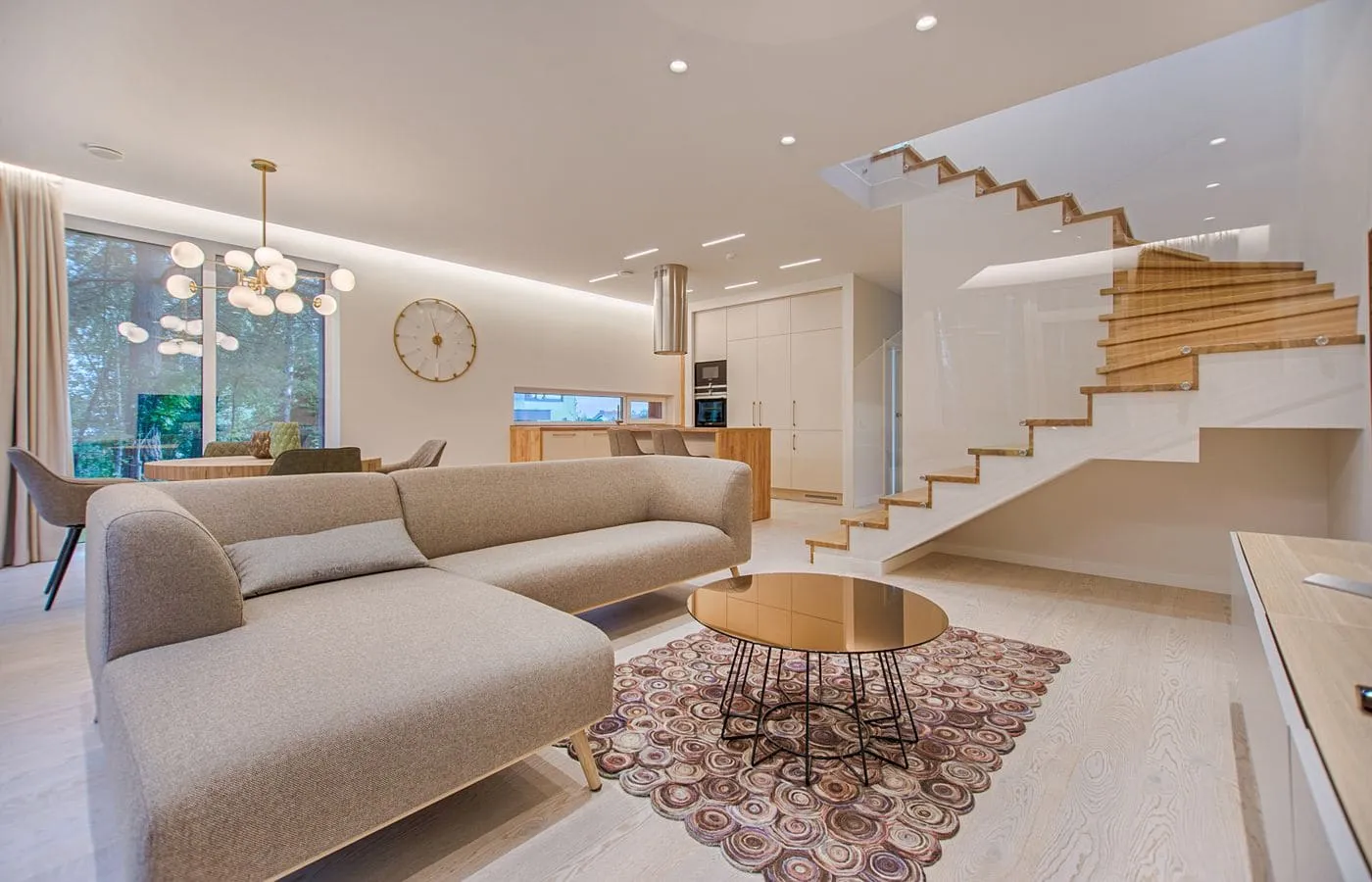
I’ve spent years thinking about what makes British homes feel genuinely good to be in. Not showroom-perfect, not Instagram-styled, but the kind of home you walk into and immediately relax. The homes that feel considered without feeling rigid, warm without being cluttered, personal without being chaotic.
This is the general framework for any British home. If “warm contemporary” is specifically your style direction, see Modern Home Interior Ideas UK; if you’re stuck on where to actually find good inspiration, see Home Decor Inspiration UK.
According to Houzz UK’s 2025 Home Renovation Trends Report, 63% of British homeowners say making their home feel more comfortable and personal is their top decorating priority — above aesthetics, above style trends, above resale value. That tells you something important about what British people actually want from their homes.
I’ve pulled together the four core principles I come back to again and again, plus a room-by-room framework you can use as a starting point.
TL;DR: Great British home interiors are built on four things: light that suits our grey climate, colour that works in diffused northern light, texture that creates physical warmth, and personal touches that stop a home feeling like a showroom. This guide covers all four, room by room.
Read more: living room styling fundamentals
1. Why Is Light the Foundation of Every British Interior?
British homes sit in a northern European light that is, for most of the year, diffuse, cool, and relatively low. This is not a problem to solve — it’s a context to design within. The homes that feel best in the UK are the ones that accept this reality and work with it rather than against it.
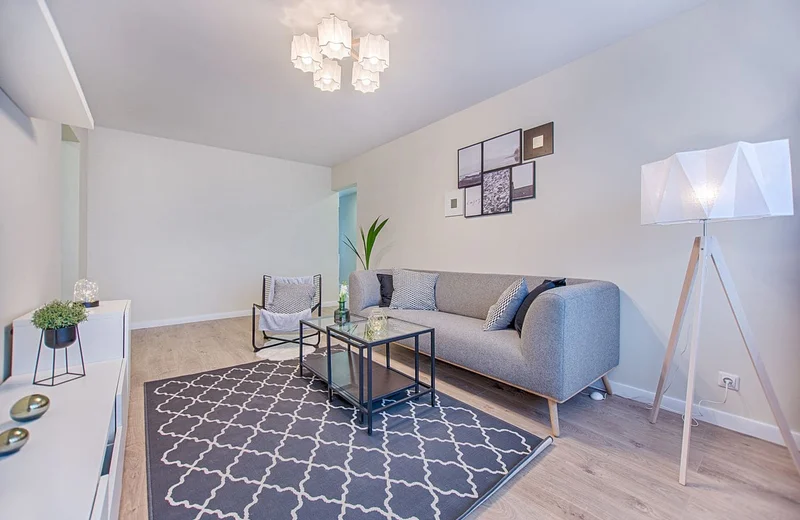
That means layering warm artificial light rather than relying on daylight to do all the work. A single overhead light makes almost every British room feel clinical or flat. Layer instead: a floor lamp in one corner, a table lamp near the sofa or reading chair, smaller task lights where you need them. Use bulbs rated 2700K — warm white — throughout. You’ll notice the difference in the first evening.
I spent three years in a flat with a single overhead pendant in the living room. When I finally bought two floor lamps and a table lamp, the room stopped feeling like a waiting room and started feeling like somewhere I actually wanted to sit. The furniture hadn’t changed. The lighting had.
Two floor lamps and a table lamp, from around £35 each at Dunelm, were enough to turn that overhead-lit living room into somewhere genuinely wanted to sit, without changing a single piece of furniture.
Good floor lamps from ~£35 at Dunelm. For something more considered, John Lewis carries excellent options from ~£65.
2. What Colour Actually Works in British Light?
The persistent myth in UK home decoration is that pale, cool colours maximise light in grey conditions. This is partially true — pale colours do reflect more light. But cool pale colours (think pure white, cool grey, icy blue) often look flat or even slightly dingy in the diffused northern light of a typical British afternoon.
Warm pale colours work much better. Off-whites with a yellow or pink undertone. Soft sage greens. Warm taupe. These tones absorb the grey quality of British light and reflect something warmer back, making rooms feel welcoming rather than washed out.
When I’ve tested this by painting opposite walls in the same room — one warm neutral, one cool neutral — the warm wall consistently reads as more inviting in photographs taken in afternoon British light, even when the actual light level is identical.
Testing a warm neutral against a cool one costs as little as £3–£5 for a Dulux or Farrow & Ball tester pot, yet the warm wall consistently reads as more inviting in identical British afternoon light.
The principle: Always choose the warmer version of whatever colour you’re drawn to. If you like grey, go for a warm grey with brown or taupe undertones (like Farrow & Ball’s Elephant’s Breath) rather than a cool blue-grey.
Tester pots cost ~£3–£5 from Dulux at B&Q or Farrow & Ball. Paint two large patches on different walls and live with them for 48 hours before committing.
3. What Texture Element Are Most British Homes Missing?
Walk into any home that feels genuinely cosy and you’ll notice it has texture. Not pattern necessarily, not colour, but physical variety in the materials you can see and touch — soft and rough, matte and sheen, light and heavy.
Texture does several things at once. It absorbs sound, making rooms feel quieter and more intimate. It absorbs light, reducing the clinical brightness of a room with too many hard surfaces. And it signals comfort — our brains associate soft surfaces with warmth and safety in a very direct way.
The most accessible way to add texture is through soft furnishings: cushions in different materials (velvet, linen, wool), throws in chunky knit or bouclé, rugs in jute or wool, and curtains in heavier fabrics like velvet or cotton.
One large rug, from around £45 at Wayfair UK, does more to add physical texture and anchor a room than any other single soft-furnishing purchase.
Start with one large rug — it anchors the room and adds more texture than any other single item. Wayfair UK has a wide range from ~£45.
Read more: colour schemes for living rooms
4. What Can Personal Touches Do That Stylists Can’t?
A room styled entirely by a professional with no input from the person living in it often looks beautiful in photographs and feels strangely empty in person. That’s because it lacks the accumulated evidence of a life actually being lived.
Personal touches are not the same as clutter. A gallery wall of photographs you care about, a shelf of books you’ve actually read, a vase you picked up from a market in a city you love — these are different from piles of unopened post and a collection of items that have no meaning but haven’t been thrown away.
The distinction is intentionality. British homes that feel best to be in tend to have been edited — things removed as well as added — so that what remains has either a purpose or a genuine meaning. This is different from minimalism, which removes personality along with clutter.
Budgeting £10–£20 for an afternoon browsing Oxfam, British Heart Foundation, or Sue Ryder is usually enough to find objects with the kind of character a professional stylist’s shopping list can’t replicate.
Charity shops — Oxfam, British Heart Foundation, Sue Ryder — are the best source of objects with character. Budget £10–£20 for an afternoon’s browsing before buying anything new.
5. Room-by-Room Framework
Every room has a primary purpose and a secondary purpose. Great interiors serve both.
Living Room
Primary: Relaxation and sociability. Secondary: A place that reflects your taste and feels genuinely welcoming.
Start here: living room ideas UK. The priorities are seating you actually want to sit in, lighting that layers from multiple sources, and soft furnishings that introduce warmth and texture.
Renter note: You can transform a living room without touching the walls. Rugs, lighting, cushions, and curtains are all fully reversible. Check your tenancy agreement before doing anything permanent.
Bedroom
Primary: Rest and sleep. Secondary: A space that feels like a private retreat rather than just a storage room for your clothes.
Invest in bedding before furniture. A quality duvet and good pillows, properly layered, matter more than a statement headboard. See our cosy bedroom ideas guide.
Kitchen
Primary: Cooking and eating. Secondary: Social gathering — kitchens have become the heart of British homes.
You don’t need to refit a kitchen to make it feel significantly better. Replacing hardware (handles, knobs), adding open shelving for things you use daily, and improving task lighting all make visible differences. See our kitchen on a budget guide.
Hallway
Often neglected, but it’s the first impression every room in your home makes. A good rug, proper coat storage, and adequate lighting (especially in the typically windowless British hallway) take priority. A mirror makes the space feel larger and more intentional.
6. What Are the Most Common British Interior Mistakes?
These are the patterns I see again and again in UK homes that prevent a room from reaching its potential.
A reed diffuser or scented candle costing under £10 does as much to make a room feel welcoming as fixing any of the other mistakes on this list.
- Relying on a single overhead light. Replace with layered lamp sources first.
- Cool grey everything. Grey works beautifully in UK interiors, but it needs to be warm grey — with brown or yellow undertones, not blue.
- Small rugs in large rooms. One large rug that all furniture legs sit on (or nearly) looks far better than a small rug that floats in the middle.
- Curtains hung too low. Hang curtain poles as close to the ceiling as possible, not just above the window frame.
- Neglecting scent. A room that smells good feels more welcoming than one that smells of nothing. A reed diffuser or scented candle costs under £10.
7. Starting Points by Budget
Not everyone is starting from the same place. Here’s a realistic framework:
A realistic starting budget ranges from under £50 for bulbs and a candle to £150–£300 for curtains and a quality throw — proof that a British interior can improve meaningfully at almost any budget tier.
Under £50
- Replace overhead bulbs with warm 2700K alternatives (~£8, Amazon UK)
- Add one good-quality scented candle or reed diffuser (~£8–£15)
- Rearrange existing furniture — often the most transformative free intervention
£50–£150
- One large floor lamp (~£35–£65, Dunelm)
- A new rug in the living room or bedroom (~£45–£80, Wayfair UK)
- Two velvet cushions in a warm tone (~£20–£30, Next Home)
£150–£300
- A quality throw in natural fibre (~£35–£60, M&S)
- New curtains in a heavier fabric, properly hung (~£40–£80 per pair, IKEA)
- A small piece of secondhand furniture from Facebook Marketplace or a charity shop (varies)
Priority Order
| Do this first | Then this | Approx cost |
|---|---|---|
| Fix the lighting — add lamps, remove reliance on overhead | Replace bulbs with warm 2700K throughout | ~£40–£80 |
| Add one large rug to the main living space | Choose warm neutral or natural fibre | ~£45–£100 |
| Layer soft furnishings — cushions, throw, curtains | Vary materials, not just colours | ~£50–£100 |
| Test a warm neutral paint colour | Tester pots before committing | ~£5–£15 |
| Add one meaningful personal object | Charity shop, market, or from elsewhere in the house | £0–£20 |
→ For living room specifics, see Living Room Ideas UK. → For colour guidance, see Living Room Colour Schemes UK. → Don’t forget the hallway — it’s the first room guests see. See Hallway Decor Ideas UK. → For a cleaner, pared-back take on these same rooms, see Modern Home Interior UK. → If your home is a period property, see Victorian Terrace Interior Ideas UK for working with original features rather than against them.
Frequently Asked Questions
The best British home interiors combine warmth, texture, and personal character. That means layered lighting, colours suited to our grey light, textiles in natural fibres, and rooms that feel genuinely lived in. See our [living room ideas guide](/blog/small-living-room-ideas-uk/) for specific starting points.
Warm contemporary, cottagecore, and maximalism are all strong in 2026. The common thread across all three is warmth — amber tones, natural materials, and layered textiles rather than the cool minimalism that dominated the 2010s.
Start with lighting — swap overhead bulbs for lamps with warm 2700K bulbs. Then add one large rug to ground the main room. Both changes together cost under £80 and make a visible difference. See our [how to style a living room guide](/blog/how-to-style-a-living-room-uk/) for a full step-by-step.
Fix the lighting first. A room with excellent lighting and ordinary furniture looks far better than a room with beautiful furniture and poor lighting. Layer two or three lamp sources with warm 2700K bulbs and remove the reliance on a single overhead light.