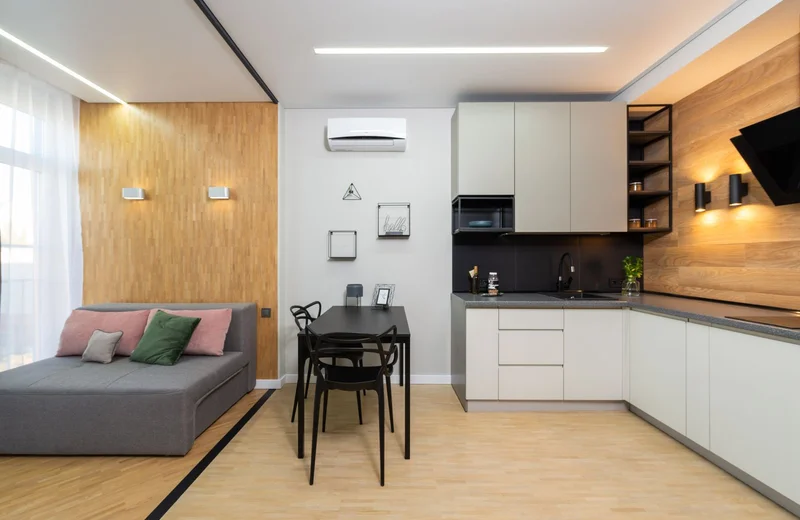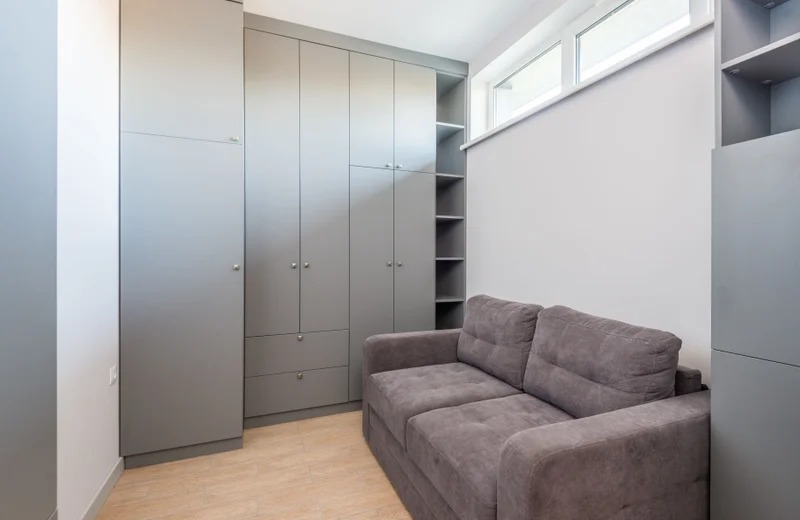
Every room in a rented UK flat can be meaningfully changed without a drill, without losing your deposit, and without a single conversation with your landlord for 90% of it. This page pulls together the room-by-room version of that approach — for the full non-renter budget version with more flexibility, see our budget home makeover guide.
TL;DR: Nearly everything here is reversible. Only wall paint needs permission. A full flat done this way runs £300-£800 and the furniture and fixtures all move with you to the next place.
In England, damage is the second most common reason for tenancy deposit disputes after cleaning, according to adjudication data from the Tenancy Deposit Scheme (TDS, 2026). That’s why every change on this page is built around leaving zero trace — not because it looks nicer, but because it’s the single biggest factor in getting a full deposit back.
The Three Rules That Make Everything on This Page Deposit-Safe
Before room-by-room specifics, three tests apply to any change you’re considering in a rented UK flat:
- Does it need a drill, or can it clip, hook, or stick on instead? If it needs a drill, it needs permission first.
- Can you remove it in under ten minutes with no residue? Command strips and picture rail hooks pass this test; glue or filler do not.
- Would it survive a torch-lit check-out inspection by a fussy letting agent? If a change fails this, skip it regardless of how good it looks in a photo.
The same three rules apply directly to storage — see our breakdown of what UK landlords actually allow for renter-friendly storage if shelves, hooks, or freestanding units are part of your plan.
Living Room
The full breakdown is in our renter-friendly living room ideas guide: peel-and-stick wallpaper for colour, picture rail hooks or Command strips for hanging anything, tension rods for curtains, and freestanding furniture instead of anything wall-fixed. Pick a colour scheme first using living room colour schemes that work in UK light, then apply it via wallpaper rather than paint if you don’t have permission to repaint.
Budget: £150-£220 covers wallpaper on one wall, curtain hardware, and layered lighting.
Bedroom
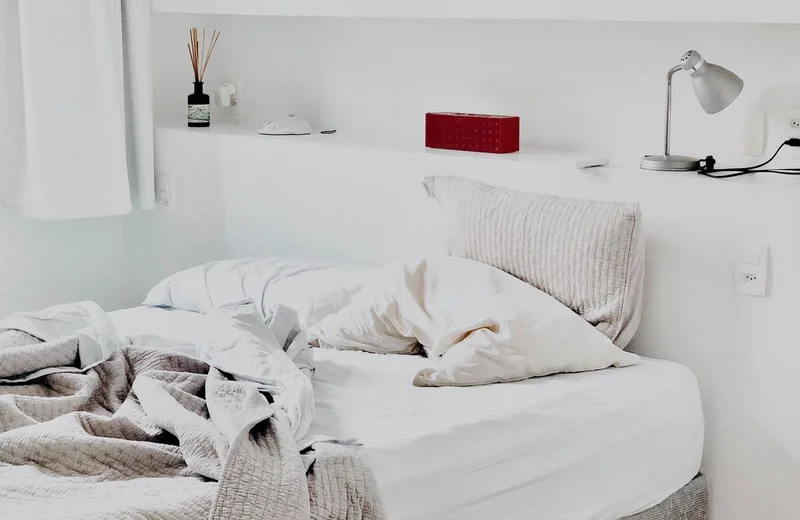
Our renter-friendly bedroom ideas guide covers the no-nails version in full — Command strip gallery walls, peel-and-stick wallpaper, and clip-on lighting. If the flat is small, small bedroom ideas under £150 covers the spending order that gets the most visible change first without needing any wall changes at all.
Budget: £100-£150 for bedding, lighting, and a mirror — none of which touches the walls.
Kitchen
Rented kitchens are usually the hardest room to change meaningfully without permission, since cabinet fronts and splashbacks are semi-permanent fixtures. Peel-and-stick tile stickers (fully removable) and temporary cabinet wraps are the renter-safe equivalent of the full kitchen on a budget approach — see budget kitchen splashback ideas specifically for the stick-on options, and peel-and-stick wallpaper tested on different surfaces before committing to a full kitchen application.
Budget: £60-£120 for peel-and-stick splashback coverage and cabinet handle swaps (keep the originals to refit before moving out).
Hallway
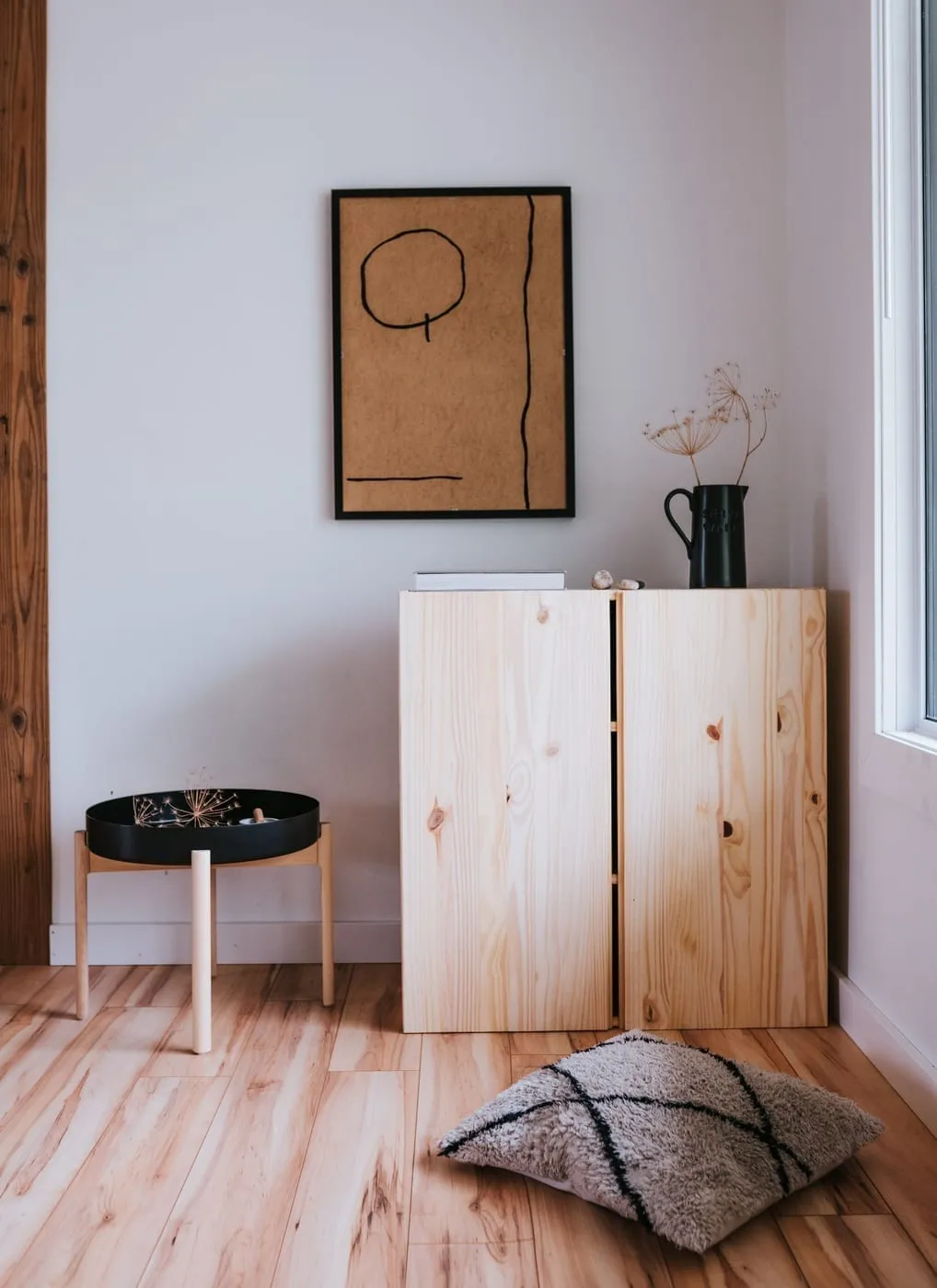
The cheapest room to makeover in any rented flat, renter-safe or not. See hallway ideas for small and narrow UK hallways — hooks, a runner rug, and a freestanding console table need no permission at all.
Budget: £50-£100.
Practical Renting Admin That Affects Your Makeover
A rented flat makeover isn’t just decor — a couple of practical renting realities affect what you can do and how much it costs month to month:
If your flat has a prepayment electricity meter, knowing your switching rights and the Ofgem price cap protections that apply to it affects your overall budget for everything else, since prepayment customers often pay more per unit than direct debit customers.
Full-Flat Renter Makeover: Realistic Total Cost
| Scope | Rooms Covered | Total Cost |
|---|---|---|
| Essentials only | Bedroom + living room basics | £250-£370 |
| Full flat, gradual | Living room, bedroom, kitchen touches, hallway | £300-£800 |
| Full flat, well-furnished | Same scope with better furniture pieces added | £600-£1,200 |
Every pound spent this way moves with you. That’s the real advantage over a landlord-funded or decorator-led makeover — none of it is sunk cost tied to one tenancy.
Related reading:
- Budget Home Makeover UK — the full non-renter-specific version with more flexibility
- Renter-Friendly Living Room Ideas UK
- Renter-Friendly Bedroom Ideas UK
- Peel-and-Stick Wallpaper: Which Surfaces It Works On
- Prepayment Meter UK: Rights, Costs & Switching
Frequently Asked Questions
Peel-and-stick wallpaper on sound painted plaster, Command strips and picture rail hooks for hanging things, freestanding furniture of any kind, tension rods for curtains, and all lighting that plugs into an existing socket. None of this needs landlord sign-off because none of it alters the property.
Painting a wall (even though it's reversible, most tenancy agreements require permission and expect the original colour restored or the repaint covered by you), anything involving the electrics beyond plugging into a socket, and any permanent fixture like built-in shelving or a fitted wardrobe.
A realistic full-flat makeover — living room, bedroom, hallway, and a few kitchen touches — runs £300-£800 done gradually, using peel-and-stick wallpaper, Command strips, freestanding furniture, and layered lighting throughout. Everything travels with you to your next flat, so it's not a one-tenancy cost.
Properly applied peel-and-stick wallpaper, Command strips removed using the pull-tab method, and picture rail hooks leave no trace. The most common deposit dispute causes are nail holes, paint without permission, and stains — all of which this approach avoids entirely by design.