Every storage article for UK renters tells you the same thing: buy Command strips, get an ottoman, use the space under your bed. Fine advice, but it skips the question that actually stops people from acting — what does your landlord actually let you do?
In 2024–25, the private rented sector accounted for 4.7 million households in England alone, roughly 19% of all households (English Housing Survey, 2025). That’s millions of people navigating the same tension: not enough storage, and a tenancy agreement that says you can’t change anything.
This guide sorts every storage idea into three tiers — no permission needed, quick email recommended, or written consent required — so you know exactly where you stand before you spend a penny.
What Does Your Tenancy Agreement Actually Say About Storage Changes?
In 2024–25, 19% of English households rented privately, making this the second-largest tenure after owner-occupation (English Housing Survey, 2025). Nearly every one of those tenancies includes a clause restricting alterations — but the exact wording matters more than most renters realise.
Most assured shorthold tenancies (ASTs) ban three things explicitly: drilling into walls, painting or wallpapering, and installing fitted furniture. Some go further and prohibit “any alteration to the property” without written consent. Others only mention “structural alterations,” which is a much narrower restriction.
Here’s what that means in practice:
- “No alterations without consent” — broad. Covers drilling, painting, wallpaper, even adhesive products if the landlord wants to be strict. But it doesn’t cover freestanding furniture you bring in and take out.
- “No structural alterations” — narrow. Covers knocking through walls, removing doors, or installing permanent fixtures. Doesn’t cover a nail in the wall for a picture, though most landlords would still object.
- No clause at all — rare, but it happens. You still can’t cause damage (that’s implied in every tenancy), but you’re not explicitly restricted from reversible changes.
Since May 2026, the Renters’ Rights Act converted most private tenancies to periodic assured tenancies and made written terms mandatory (Shelter, 2026). That means your landlord must now give you a written agreement, so there’s no excuse for not knowing where you stand. Dig out your agreement, search for “alteration” or “modification,” and read the exact wording. If you’re on a pre-2026 AST that hasn’t been updated, Shelter’s advice line can help you understand what still applies.
The practical takeaway: anything you bring in and take out without leaving a mark — freestanding furniture, adhesive hooks, tension rods — falls outside every standard alteration clause. That’s your safe zone, and it’s bigger than most people think.
Which Storage Solutions Need Zero Landlord Permission?
Anything freestanding, adhesive-mounted or gravity-held needs no permission under any standard tenancy agreement. No clause in any AST covers bringing your own furniture into a room — it’s not an alteration, it’s your stuff. Here’s what falls in this category.
Adhesive-Mounted Storage
Command strips are the backbone of renter-friendly storage. The heavy-duty picture-hanging strips hold up to 7.2 kg per set, the medium strips hold 5.4 kg, and the standard strips hold 2.2 kg (3M UK, 2026). They remove without residue when you pull the tab straight down at a sharp angle.
Use them for:
- Picture frames and mirrors (heavy-duty strips)
- Small floating-look shelves (medium strips, under 5 kg loaded)
- Hooks for bags, keys, or tea towels
Suction-cup caddies work on smooth, non-porous surfaces — tiles, glass, mirrors. They’re ideal for bathrooms and some kitchen splashbacks, but they won’t stick to painted walls or textured surfaces.
Worth knowing: Adhesive shelf brackets are a newer product category (appearing on Amazon UK from 2025) that hold around 5 kg per bracket. They fill the gap between Command strips and drilled shelves — strong enough for books, light enough to remove without damage.
Freestanding Furniture That Doubles as Storage
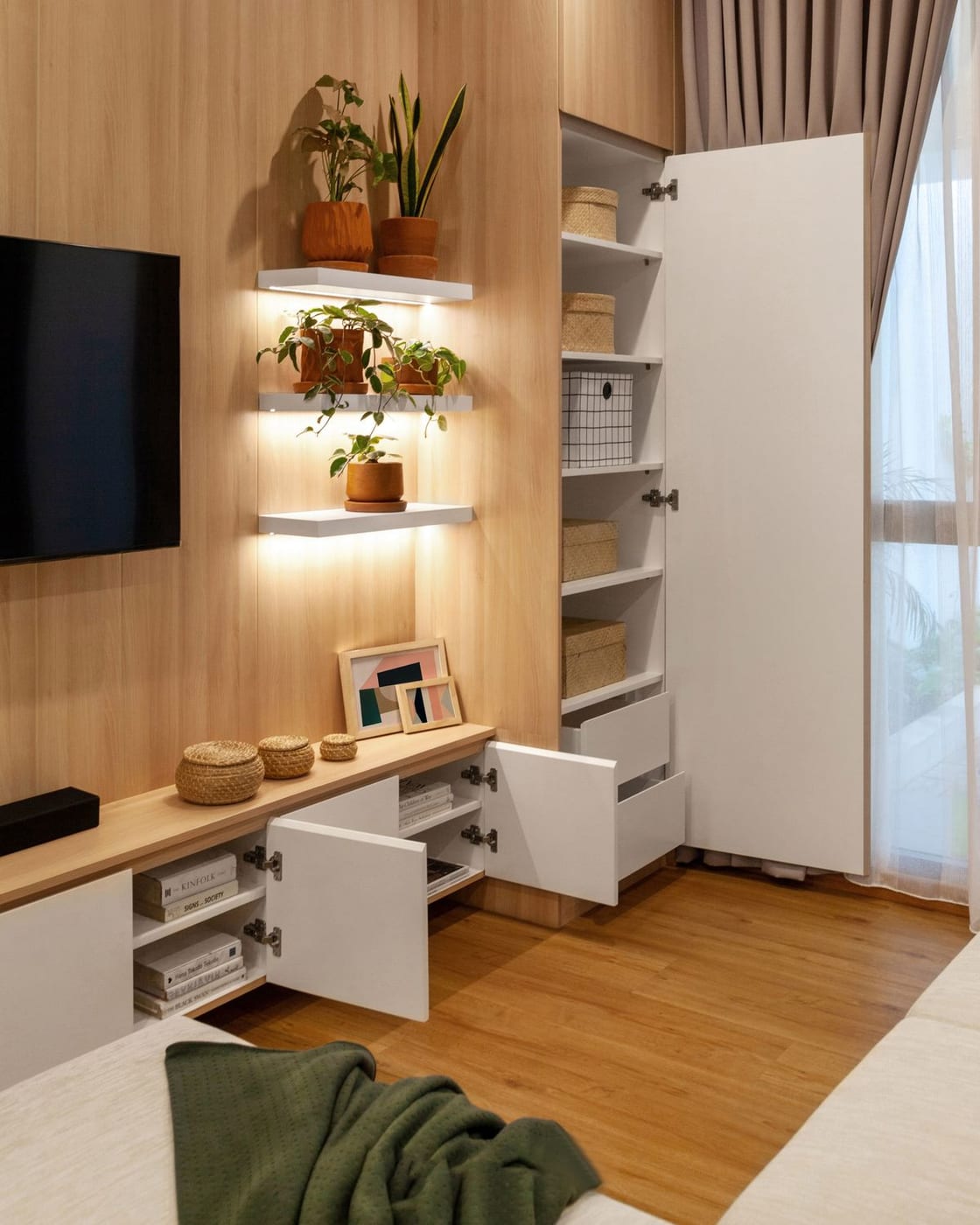
Storage ottomans, headboards with built-in shelving, and nesting tables all add capacity without touching a wall. If you need something taller, IKEA KALLAX units (from £29 for the 2×2, up to £77 for the 4×4) give you serious shelving without a single screw in the wall.
One safety note: tall freestanding units should be secured with adhesive anti-tip straps (£8–£12, Amazon UK), not screws. They stick to the wall and the furniture, hold the unit in place, and peel off cleanly when you move out.
Over-door organisers are criminally underused. A single over-door shoe rack on the inside of a wardrobe door holds 24–36 pairs. Over-door hooks on the bedroom or bathroom door handle coats, towels and bags with zero installation.
Tension-Rod and Gravity Solutions
Tension rods wedge between two walls or inside a cupboard frame using spring pressure — no screws, no adhesive, no marks. Add S-hooks and you’ve got a hanging rail for mugs, utensils, scarves or cleaning supplies.
Where to use them:
- Under the kitchen sink (cleaning products on S-hooks)
- Inside wardrobe frames (extra hanging rail for folded items)
- Window recesses (lightweight curtain alternative)
- Shower alcoves (caddy rail)
Leaning ladder shelves and freestanding garment rails round out this tier. They look intentional, they store plenty, and they move with you when you change flats.
What Storage Ideas DO Need Landlord Written Permission?
Anything that leaves a hole, mark or residue — even if you plan to repair it before you move out — technically counts as an alteration. That means you need written consent before you start. Here’s the list:
- Wall-mounted shelves — drilling into a wall is the clearest possible alteration. Even small picture hooks leave holes.
- Peel-and-stick wallpaper — the adhesive can pull paint or leave residue on older plaster, and some landlords class it as redecorating. Others are fine with it. Ask first.
- Curtain poles and rails — if they’re not already fitted, installing them means brackets and screws in the wall above the window.
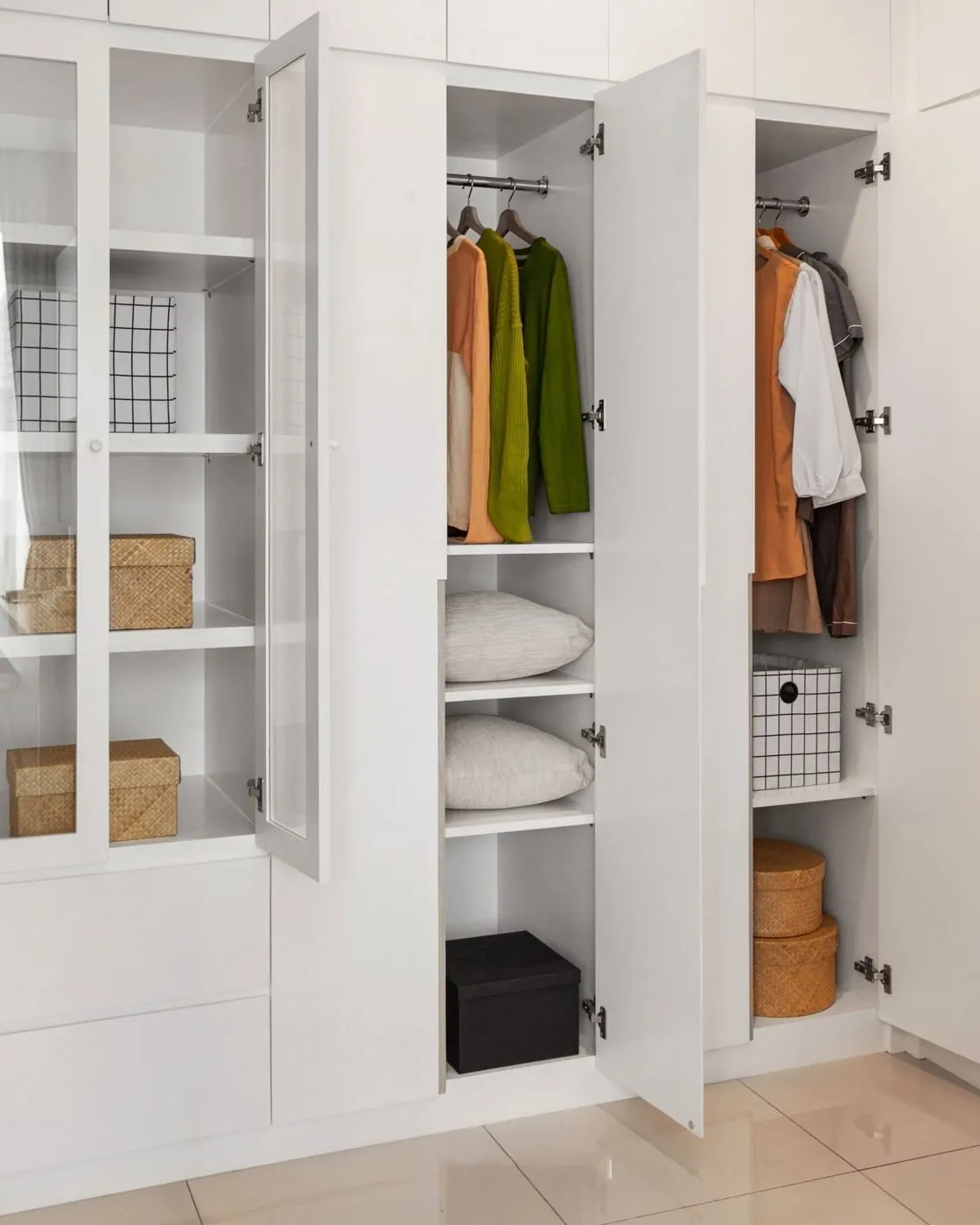
- Fitted wardrobes or built-in cupboards — these are permanent fixtures. No landlord will approve this without a very good reason.
If you want permission, send a short email. Keep it professional and specific:
Hi [landlord/agent name], I’d like to put up two floating shelves (screwed into the wall) in the bedroom for book storage. I’ll fill and paint over the holes before I move out and can share photos of the finished result. Would you be happy to confirm in writing that this is OK? Thanks, [your name]
Written confirmation (email counts) protects you if there’s a deposit dispute later. A verbal “yeah, that’s fine” doesn’t.
How Do You Protect Your Deposit When Adding Storage?
Damage is the second most common reason for deposit disputes in England after cleaning, according to TDS adjudication data (TDS, 2021). Storage modifications — unfilled drill holes, adhesive residue, scuffed walls from furniture — are a routine trigger.
Here’s how to protect yourself:
1. Photograph everything before you start. Take timestamped photos of every wall, floor and surface you plan to touch. Email them to yourself so the date is recorded independently of your phone’s metadata.
2. Reference your check-in inventory. Your letting agent or landlord should have given you an inventory at the start of the tenancy. Any pre-existing damage noted there can’t be charged to you. If you never received one, say so in writing now — it strengthens your position later.
3. Restore before you leave. Fill drill holes with Polyfilla (£4–£6), sand smooth, and touch up with the nearest matching white emulsion. Remove all adhesive residue with a warm damp cloth or a small amount of white spirit on a cotton pad.
4. Know what “fair wear and tear” covers. Small scuffs from furniture, minor marks from picture hooks, and slight discolouration where a shelf blocked light — these are generally fair wear and tear. Unfilled holes, torn wallpaper, and broken fixtures are not.
If it goes wrong: Deposit disputes in England go to one of three government-approved schemes — TDS, DPS, or MyDeposits — for free, independent adjudication. TDS data shows roughly 19% of disputes result in a full payout to the tenant and 19% to the landlord, with the rest split. The process takes days, not months. Don’t accept a deduction you disagree with — challenge it.
Room-by-Room Renter Storage Ideas That Won’t Risk Your Deposit
Every idea below sits in the “no permission needed” tier. Bring it in, use it, take it with you.
Bedroom
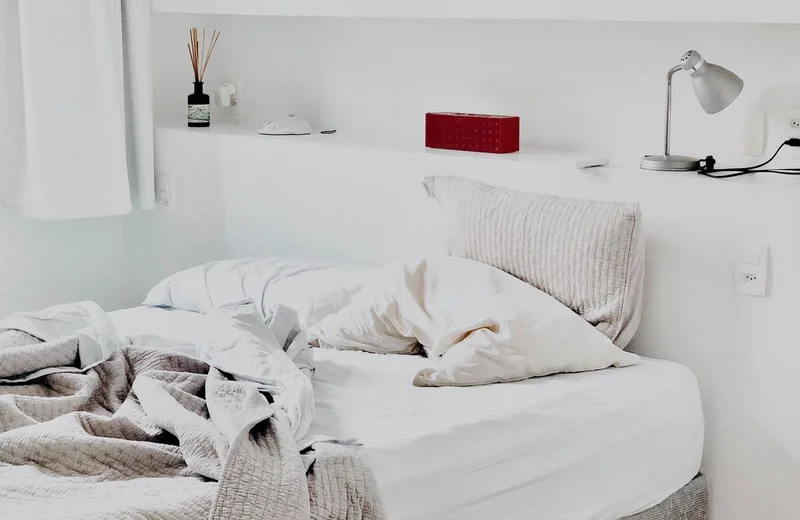
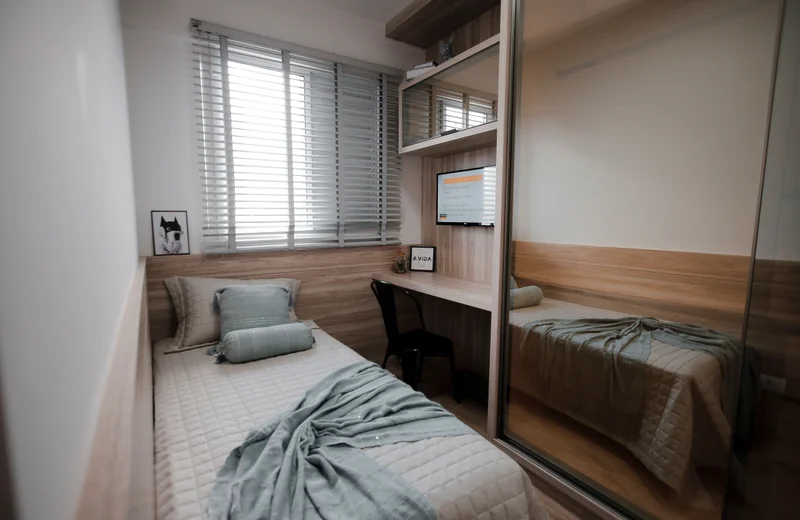
Your bedroom is probably where storage pressure hits hardest. Start with the bed itself — a storage bed frame with hydraulic lift storage underneath holds duvets, out-of-season clothes and luggage in dead space you’re already paying rent on. If you already have a bed frame you like, vacuum storage bags (£10–£15 for a pack of 10) compress bulky bedding into flat parcels that slide under any divan.
For a deeper look at storage beds specifically, our storage bed guide for small UK flats compares prices and sizes across IKEA, Argos and Amazon.
Other bedroom wins: bedside caddies that hang from the mattress edge (£6–£10), over-door shoe organisers on the wardrobe door, freestanding clothes rails for a capsule wardrobe display, and wardrobe shelf inserts that double your hanging space vertically.
If you’re working with a particularly tight bedroom, our small bedroom ideas on a budget guide and box room ideas guide cover layout tricks alongside storage.
Kitchen
Kitchens in UK rentals are notoriously short on cupboard space. A freestanding slim trolley — the IKEA RÅSKOG (£29) is the classic — slots into the 20–30 cm gap between the fridge and the worktop and gives you three tiers of extra surface.
Tension rods under wall cabinets with S-hooks hold mugs, utensils and small pans. Adhesive-backed magnetic knife strips (£8–£15) keep blades off the worktop without drilling. Over-door pantry organisers on the inside of a cupboard door hold spice jars, cling film and foil rolls.
Bathroom
Smooth tiles make bathrooms the easiest room for suction-cup storage. A suction-cup corner caddy in the shower holds bottles without a single hole. Over-toilet freestanding shelving (£15–£35, Dunelm or Amazon UK) uses the dead wall space above the cistern. Tension-rod shower caddies span the width of the bath. Adhesive towel bars stick to tiles and come off clean.
For more bathroom-specific ideas, our small bathroom ideas guide covers the full range.
Living Room
Storage ottomans are the living room workhorse — seating, footrest and hidden storage in one piece. Console tables with drawers behind the sofa hold remotes, cables and paperwork. Leaning ladder shelves give you a “floating shelf” look without touching the wall. Baskets under side tables and coffee tables keep throws, magazines and charging cables out of sight.
If you’re rethinking the whole room, our renter-friendly living room ideas guide covers layout and decor alongside storage.
Hallway
The hallway is the forgotten storage zone. An over-door hook set on the front door handles coats and bags for a household of two or three without a coat rack taking up floor space. Freestanding coat stands work for larger households. Slim shoe cabinets (30 cm deep, £25–£50 at Argos or IKEA) hold 6–12 pairs flat against the wall. A wall-leaning mirror with a shelf at the base gives you a last-check spot plus a place to drop keys.
Where Can You Buy Renter-Friendly Storage in the UK?
Amazon UK, IKEA, Dunelm and Argos all carry no-drill storage — but prices and quality aren’t equal. Here’s where to look by category:
| Category | Budget pick | Mid-range pick | Where to buy |
|---|---|---|---|
| Adhesive hooks/strips | Command strips, £5–£12 | Heavy-duty picture strips, £8–£15 | Amazon UK, Wilko |
| Freestanding shelving | IKEA KALLAX 2×2, £29 | KALLAX 4×4 + inserts, £77–£110 | IKEA |
| Storage ottoman | Argos Home, £40–£60 | Dunelm velvet ottoman, £70–£100 | Argos, Dunelm |
| Over-door organisers | Amazon basics, £8–£15 | Heavy-duty pantry rack, £20–£30 | Amazon UK |
| Tension rods + hooks | Amazon, £6–£10 per rod | Stainless steel set, £12–£18 | Amazon UK |
| Slim trolley | Generic 3-tier, £15–£25 | IKEA RÅSKOG, £29 | Amazon UK, IKEA |
| Vacuum bags | 10-pack, £10–£15 | Premium valve bags, £15–£20 | Amazon UK |
| Suction-cup caddies | Basic corner caddy, £8 | Stainless steel caddy, £15–£25 | Amazon UK, Dunelm |
Primark Home and TK Maxx carry seasonal storage baskets, boxes and fabric organisers at steep discounts, but stock rotates fast. Worth checking if you’re near a store, but don’t count on finding specific items online.
Can Your Landlord Refuse All Storage Changes Under the New Renters’ Rights Act?
The Renters’ Rights Act 2026 strengthened tenant protections in several meaningful ways — it ended Section 21 no-fault evictions, converted most private tenancies to periodic assured tenancies, and made written tenancy terms mandatory (Shelter, 2026). But it didn’t create a blanket right to modify your flat.
Modification rights still come from your tenancy agreement. If the agreement says “no alterations without written consent,” the Act doesn’t override that clause. What the Act does do is make it harder for a landlord to evict you in retaliation for asking — which matters more than most people realise. Before the Act, a landlord annoyed by a modification request could serve a Section 21 notice and end the tenancy within two months, no reason needed. That’s gone now.
So where does this leave you?
- Freestanding storage sidesteps the whole question. It’s not an alteration. No clause covers it. No permission needed.
- If your landlord unreasonably refuses a written request for something minor (a single shelf, a curtain pole), you can seek advice from Shelter or Citizens Advice. They can’t force permission, but they can help you understand whether the refusal is enforceable.
- Pick your battles. A tension rod and S-hooks achieve 80% of what a drilled shelf does, with none of the permission drama. Save the written requests for changes that genuinely can’t be replicated with freestanding alternatives.
The Three-Tier Takeaway
The landlord-rules question IS the storage question. Once you know the boundary, choosing products is straightforward:
- No permission needed — freestanding furniture, adhesive hooks and strips, tension rods, over-door organisers, suction-cup caddies, vacuum bags. This tier covers 80% of what most renters need.
- Quick email recommended — peel-and-stick wallpaper, adhesive shelf brackets over 5 kg, anything that might leave residue. Low risk, but get it in writing.
- Written consent required — drilled shelves, curtain poles, fitted storage, any permanent fixture. Always ask before you start.
Start with tier one. Most people discover they don’t need tiers two or three at all.
If you’re rethinking your whole flat, not just storage, our rented flat makeover guide covers decor, lighting and layout alongside organisation. And if you’re dealing with a specific room, the renter-friendly bedroom ideas and studio flat layout guides go deeper on those spaces.
Sources:
- English Housing Survey 2024–25, Chapter 1: Profile of Households and Dwellings, retrieved 2026-10-24, https://www.gov.uk/government/statistics/chapters-for-english-housing-survey-2024-to-2025-headline-findings-on-demographics-and-household-resilience/chapter-1-profile-of-households-and-dwellings
- Shelter, Renters’ Rights tenancy reform Q&A, retrieved 2026-10-24, https://england.shelter.org.uk/professional_resources/news_and_updates/renters_rights_tenancy_reform_qa
- Tenancy Deposit Scheme (TDS), Annual Review and dispute statistics, retrieved 2026-10-24, https://www.tenancydepositscheme.com/
- 3M UK, Command brand product specifications, retrieved 2026-10-24, https://www.command.com/3M/en_GB/command/
Frequently Asked Questions
Only with written landlord permission, since drilling counts as an alteration under most assured shorthold tenancies. Freestanding leaning shelves and ladder shelves need no permission at all. If you do drill, fill the holes with Polyfilla and touch up the paint before your final inspection — it won't guarantee your deposit back, but it reduces the deduction risk.
Your landlord can deduct the cost of professional repair from your deposit at checkout. TDS data shows damage is the second most common dispute reason after cleaning. Document and restore the wall before you leave — small holes filled neatly often fall under fair wear and tear, but unfilled holes almost never do.
Yes, on most painted plaster and smooth surfaces. Avoid using them on wallpaper, freshly painted surfaces under four weeks old, or heavily textured plaster. Remove them slowly, pulling the tab straight down at a sharp angle parallel to the wall — yanking outward tears the paint.
Only the reasonable cost of repair, not replacement. Fair wear and tear is excluded, and disputes go to TDS, DPS or MyDeposits for independent adjudication. TDS reports that roughly 19% of disputes result in a full payout to the tenant and 19% to the landlord, with the rest split between both parties.
Not directly. The Act ended Section 21 no-fault evictions, made most private tenancies periodic, and requires landlords to provide written tenancy terms. But it didn't introduce a right to make modifications — that still depends on your tenancy agreement and your landlord's consent. Freestanding storage avoids the question altogether.