If you’ve just moved into a rented flat and found a prepayment meter under the stairs or mounted on the wall, you’re not alone. Prepayment meters are disproportionately common in UK rental properties — particularly in older housing stock, lower-income areas, and flats where previous tenants had energy debt.
The short answer to whether you’re stuck with it: you’re not. You have a legal right to request a switch, your landlord cannot override that, and under current Ofgem rules, prepayment meter rates are now aligned with direct debit. But the practical reality is more nuanced than that, and understanding how the system actually works will save you both money and frustration.
Managing energy costs is just as much a part of comfortable renting as choosing the right furniture or lighting.
How Prepayment Meters Actually Work
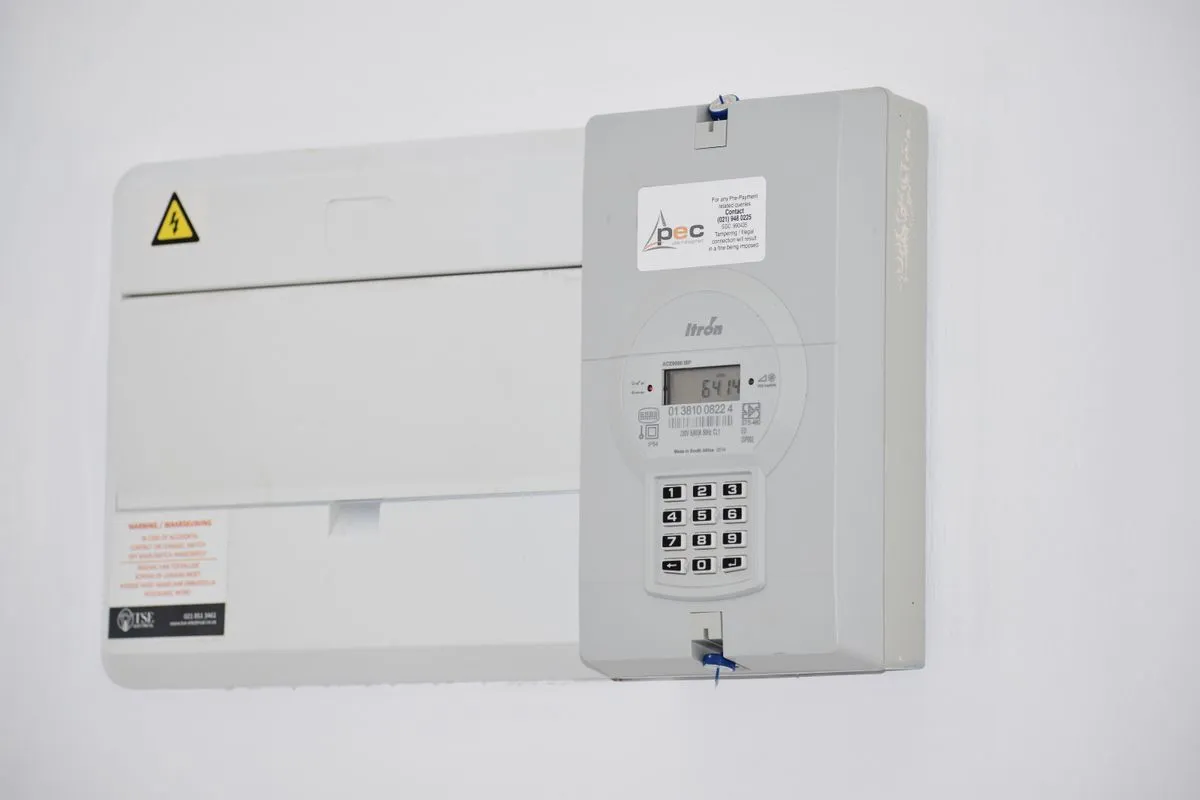
A prepayment meter requires you to pay for electricity (or gas) before you use it. You load credit onto the meter, and the meter deducts from that balance as you consume energy. When the credit runs out, your supply stops.
There are two types you’ll encounter in UK rentals:
Traditional prepayment meters use either a plastic key (for electricity) or a card (for gas). You take the key or card to a PayPoint or Post Office terminal, load credit onto it, and insert it back into the meter. The meter reads the credit and updates your balance.
Smart prepayment meters (SMETS2) work on the same prepay principle but allow you to top up remotely — via your supplier’s app, online, by phone, or at PayPoint. The credit is sent to the meter over the wireless network. Most smart prepayment meters also have an in-home display (IHD) that shows your balance, daily spend, and remaining credit in real time.
The key difference for renters: smart meters make prepayment far less inconvenient. No trips to the shop in the rain. No forgetting the key at work. No coming home to a cold, dark flat because the corner shop was closed. If your rented flat still has a traditional prepayment meter, requesting a smart meter upgrade from your supplier is free and usually takes one engineer visit.
The Ofgem Price Cap and What It Means for Prepayment Customers
Ofgem, the UK’s energy regulator, sets a quarterly price cap that limits how much suppliers can charge per unit of energy and per day in standing charges. This cap applies to all default tariffs, including prepayment.
Since July 2023, Ofgem has required suppliers to charge prepayment customers the same unit rates and standing charges as direct debit customers under the price cap (Ofgem, 2026). Before that change, prepayment customers paid roughly £60-£80 more per year — a surcharge Ofgem removed specifically because prepayment customers tend to be on lower incomes.
This was a significant change. It removed the main financial argument against prepayment meters. However, there are still practical reasons to switch:
- Self-disconnection risk. If you forget to top up or can’t afford to, your supply cuts off. Direct debit doesn’t carry this risk.
- No access to cheaper fixed deals. Most competitive fixed tariffs from suppliers like Octopus Energy, OVO, or EDF are only available to credit meter customers.
- Budget control cuts both ways. Prepayment forces awareness of usage, which some renters find helpful. Others find it stressful, especially in winter when heating costs spike.
Your Right to Switch: The Energy Act and Supplier Obligations
Under the energy supply licence conditions enforced by Ofgem, you have the right to request a switch from a prepayment meter to a credit meter. Your supplier cannot refuse this request without a valid reason.
Valid reasons a supplier might cite:
- Outstanding energy debt. If you owe money to the supplier, they may insist on keeping the prepayment meter until the debt is cleared, since the meter is their mechanism for recovering what you owe. However, even with debt, you can negotiate a repayment plan and then switch.
- Debt exceeding £500. If your debt is above this threshold, you may not be able to switch supplier at all until it’s reduced.
- Meter tampering history. If the property has a record of meter tampering or energy theft, the supplier may require a prepayment meter as a condition of continued supply.
For most renters with no debt on the account, the process is straightforward:
- Contact your energy supplier (British Gas, OVO, E.ON Next, EDF, Octopus, or whoever supplies the flat).
- Request a switch from prepayment to credit/direct debit.
- If you have a smart meter, the switch can often be done remotely — sometimes the same day.
- If you have a traditional meter, an engineer visit is needed to swap the meter. This is free of charge.
- Set up a direct debit with the supplier once the meter is changed.
Your landlord does not need to approve this. The energy supply contract is between you and the supplier. The landlord owns the property, but they do not own the supply contract. If your landlord tells you that you can’t switch, they’re wrong — politely, but firmly.
Smart Meters vs Traditional Prepayment Meters
If you’re going to stay on prepayment (and some renters prefer to), upgrading to a smart meter is worth doing. Here’s why:
| Feature | Traditional Prepayment | Smart Prepayment |
|---|---|---|
| Top-up method | Key/card at PayPoint or Post Office | App, online, phone, or PayPoint |
| Balance visibility | Meter display only (often in a cupboard) | In-home display + app |
| Emergency credit | Button press on meter | Auto-activate via app |
| Usage tracking | None | Real-time daily/weekly breakdown |
| Remote mode switch | Not possible | Supplier can switch to credit remotely |
| Cost | Free upgrade | Free upgrade |
The smart meter rollout across England, Scotland, and Wales is supplier-led. Contact yours and ask for a SMETS2 meter installation. First-generation SMETS1 meters had compatibility issues when switching suppliers — SMETS2 meters don’t have this problem and are the current standard.
If you’re setting up a rented flat for the first time, requesting a smart meter during the first week is a good habit. It gives you immediate visibility into what your energy is actually costing.
Emergency Credit: What Happens When You Can’t Top Up
Every prepayment meter in the UK offers emergency credit — a small buffer (typically £5 on electricity and £5 on gas) that activates when your main balance hits zero.
On a traditional meter, you press a button on the meter keypad to activate emergency credit. It won’t activate automatically. If you don’t press the button, your supply cuts off immediately.
On a smart meter, emergency credit behaviour varies by supplier. Some activate it automatically; others require you to opt in via the app. Check with your supplier when you set up the account.
Important rules about emergency credit:
- It is not free. The amount is deducted from your next top-up.
- If you’re already in emergency credit and don’t top up, your supply will cut off once the emergency buffer is exhausted.
- Most suppliers offer a “friendly hours” policy: your supply won’t disconnect between certain hours (typically 4pm-10am on weekdays, and all day on weekends and bank holidays). This is an Ofgem-backed voluntary commitment that most major suppliers follow.
- Between October and March, many suppliers extend protections for vulnerable customers, including not disconnecting during cold weather.
If you genuinely cannot afford to top up, contact your supplier immediately. They are required to offer you support, which may include:
- A temporary increase to your emergency credit limit
- A fuel voucher scheme referral
- Debt write-off or reduction
- A Warm Home Discount rebate (£150 off your bill, if eligible)
Reducing Energy Costs on a Prepayment Meter in a Rented Flat
Whether you stay on prepayment or switch to direct debit, these practical steps reduce what you actually spend:
Draught-proof the flat. Renters can use removable draught excluders on doors and windows without any permanent modification. Self-adhesive foam weatherstrip tape around window frames and a brush strip under the front door make a measurable difference, especially in older Victorian or Edwardian conversions common in UK cities. These are all deposit-safe improvements that remove cleanly when you move out.
Use the in-home display. If you have a smart meter, the IHD shows real-time spend. Most people who actively monitor it reduce their usage by 5-15% simply through awareness — turning off standby devices, running the washing machine at full loads, and being deliberate about heating.
Switch to a time-of-use tariff. Some suppliers offer Economy 7 or smart tariffs with cheaper overnight rates. If you have storage heaters (common in UK rental flats), these tariffs are designed for you — the heaters charge overnight on cheap-rate electricity and release heat during the day.
Replace old bulbs. A single old halogen spotlight uses 50W. A modern LED equivalent uses 5W and produces the same light. In a flat with 10-15 spotlights running several hours a day, the swap cuts lighting costs by about 90%.
Don’t heat rooms you’re not using. If your flat has individual radiator valves (TRVs), turn down bedrooms and spare rooms during the day. If it has electric panel heaters, use the timer and thermostat on each one rather than running them constantly.
Check your tariff. Even on prepayment, you can switch supplier. Use Ofgem’s price comparison guide or sites like Uswitch to check whether a better deal exists.
Landlord Obligations Around Energy in Rented Properties
Your landlord has specific legal duties around energy, though they don’t extend to how you pay for it:
EPC requirement. Since April 2020, all rented properties in England and Wales must have an Energy Performance Certificate rating of E or above. If your flat is rated F or G, your landlord is legally required to improve it (insulation, glazing, boiler upgrade) unless they’ve obtained an exemption. You can check your property’s EPC rating at gov.uk/find-energy-certificate.
Gas safety. Annual gas safety checks are a legal requirement. Your landlord must provide you with a copy of the Gas Safety Certificate (CP12) within 28 days of the check.
Electrical safety. Since July 2020, landlords in England must have electrical installations inspected and tested by a qualified person at least every 5 years (EICR — Electrical Installation Condition Report).
Heating obligation. Your landlord must provide adequate heating. If the heating system doesn’t work, that’s a repair obligation under Section 11 of the Landlord and Tenant Act 1985 (for tenancies in England and Wales).
What your landlord does not control: your energy supplier, your tariff, your meter type, or how you pay. These are between you and the supplier.
Winter Fuel Payment and Other Support for Renters
If you’re struggling with energy costs, several UK government and supplier schemes exist:
Warm Home Discount. A £150 annual rebate applied directly to your electricity bill. Eligibility is means-tested and linked to benefits such as Pension Credit, Universal Credit, or Housing Benefit. Your supplier applies the discount automatically if you qualify — check with them directly.
Winter Fuel Payment. Available to people born before a specific date (varies annually, previously linked to State Pension age). Worth £100-£300 depending on circumstances. This is being reviewed and tightened from 2024 onwards — check gov.uk/winter-fuel-payment for current eligibility.
Cold Weather Payment. £25 for each 7-day period of very cold weather (below 0°C average) in your area, paid to those on qualifying benefits. Automatic — you don’t need to apply.
Energy supplier hardship funds. British Gas has the Energy Trust. OVO has the OVO Foundation. E.ON has the Energy Fund. These are charitable funds that can write off energy debt or provide emergency credit for customers in financial difficulty.
Local council support. Many councils operate their own discretionary schemes — check your borough or district council website for energy support or Household Support Fund grants.
What to Do When You First Move In
When you pick up the keys to a rented flat with a prepayment meter:
- Take a meter reading immediately. Photograph the meter display showing the current reading and any outstanding debt. Send this to your supplier so you’re not charged for the previous tenant’s usage.
- Find out who supplies the property. If you don’t know, use the Meter Point Administration Service (MPAS) lookup for electricity or Xoserve’s “Find My Supplier” service for gas — both are searchable online by postcode and meter point reference, and will tell you which supplier is registered.
- Set up an account in your name. Contact the supplier, give them the meter readings, and register the account to you. Until you do this, you may be on a deemed contract at higher rates.
- Decide whether to stay on prepayment or switch. If you want to switch, request it now — waiting costs nothing extra under the equalised price cap, but getting on direct debit early means you avoid the risk of self-disconnection.
- Request a smart meter if you don’t have one. Free installation, better control, remote top-up.
Related Reading
- Renter-Friendly Living Room Ideas UK — reversible changes that transform a rental without risking your deposit
- Renter-Friendly Bedroom Ideas UK — deposit-safe bedroom upgrades on a budget
Frequently Asked Questions
No. The energy supply contract is between you and the supplier, not between you and the landlord. Your landlord has no authority over how you pay for energy. You can contact your supplier directly to request a switch to direct debit or quarterly billing.
Contact your energy supplier and request a meter change. If you have no outstanding debt, they should arrange it within a few weeks. For traditional prepayment meters this may require an engineer visit. For smart meters, the switch can often be done remotely the same day.
Not anymore. Since July 2023, Ofgem aligned prepayment meter tariffs with direct debit rates under the price cap. Previously, prepayment customers paid a surcharge of roughly £60-£80 per year. The rates are now equivalent, though direct debit still avoids the risk of self-disconnection.
Your supply will cut off, but most meters offer emergency credit of £5-£10 that you can activate by pressing a button on the meter keypad. Smart prepayment meters often activate emergency credit automatically through the supplier's app. You'll need to repay the emergency credit on your next top-up.
Yes. You can switch supplier with a prepayment meter just as you would on any other tariff. Use comparison sites like Uswitch or the Ofgem-accredited Energy Helpline. If you owe money to your current supplier, they may object to a switch if the debt exceeds £500.