“My house doesn’t look the way I want it to — but I can’t afford to do anything about it.” This is one of the most common home decorating complaints in Britain, and it’s usually more about not knowing where to start than about the actual size of the budget.
The honest answer to this is that most people’s homes don’t look wrong because of insufficient spending. They look wrong because of insufficient understanding of which changes deliver the highest visual impact for the least cost — and which expensive changes deliver surprisingly little.
I’ve made over a dozen rooms on budgets of £50–£200. Here’s the framework that works every time.
TL;DR: The highest-impact budget home makeover changes, in order: rearrange furniture (free), replace bulbs with 2700K warm white (£8), paint the room’s main colour (£22–£35), add new cushion covers (£30), install a correctly sized rug (£45). Total: under £120 for most rooms. The rest of this guide shows you how to apply this room by room.
Read more: living room budget ideas
The Golden Rule: Free Interventions First
Before spending a single pound, apply the three free interventions that consistently outperform purchases:
1. Rearrange furniture. Pull everything away from the walls by 15–20cm. Orient seating toward the room’s focal point (fireplace or TV). The room will feel larger and more intentional before you touch anything else.
2. Declutter surfaces. Remove every object from every surface. Put back only what clearly belongs — group remaining items in threes, leave deliberate gaps. This is consistently the highest-impact change available to most British living rooms.
3. Maximise natural light. Open curtains fully, clean windows (often genuinely transformative in the UK, where windows collect grime from exhaust and rain), and move any furniture that blocks the window light path.
In my first flat, I followed these three steps before my first purchase and two friends separately asked what I’d done to the room. Nothing had been bought. The room simply finally made sense.
After these three steps, assess. Many rooms need nothing else.
What’s the Best Living Room Budget Makeover Under £120?
The living room priority order, ranked by visual return per pound:
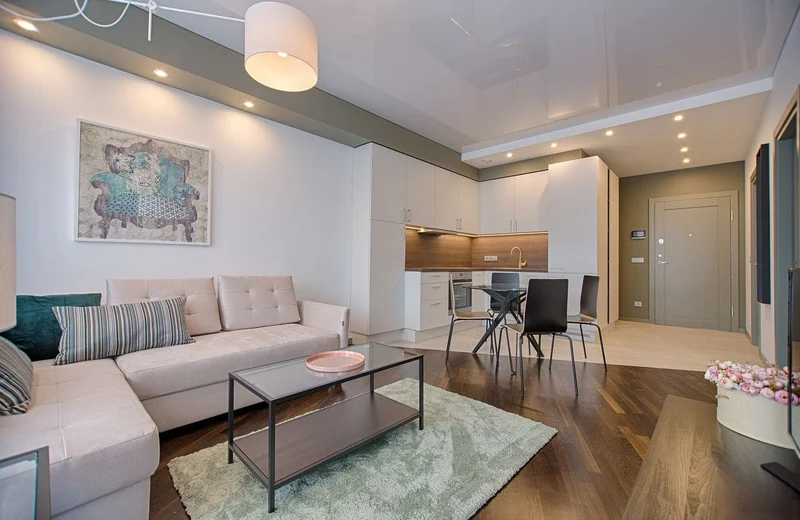
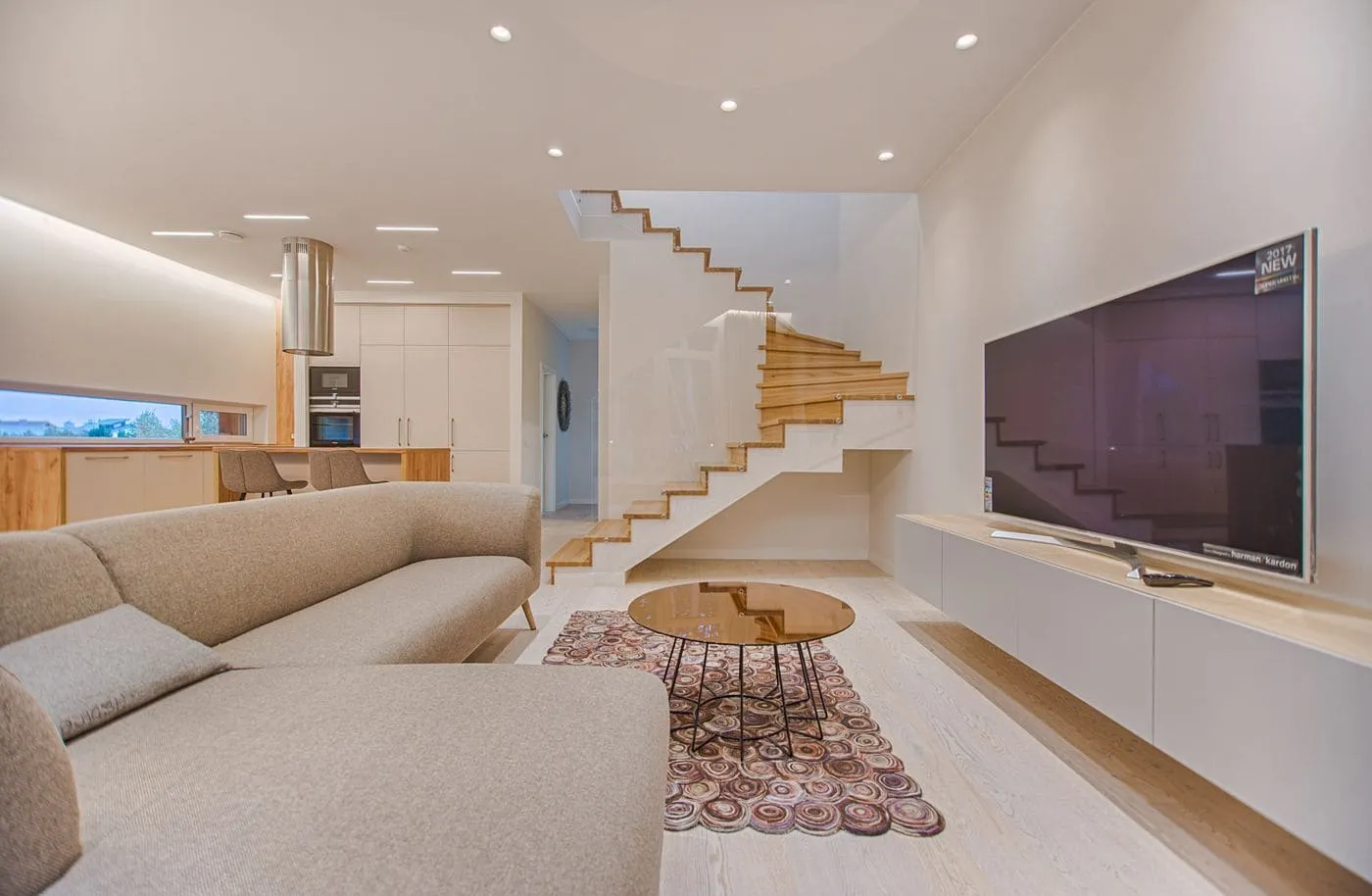
This four-step sequence — bulbs, cushions, rug, and one plant — totals around £91, yet most visitors can’t tell the results apart from a professionally styled £500 refresh.
Step 1: Replace bulbs — ~£8 All lamps to 2700K warm white. The room looks warm in the evening instead of clinical. This is the cheapest dramatic improvement available. (Amazon UK, 4-pack Philips 2700K LEDs.)
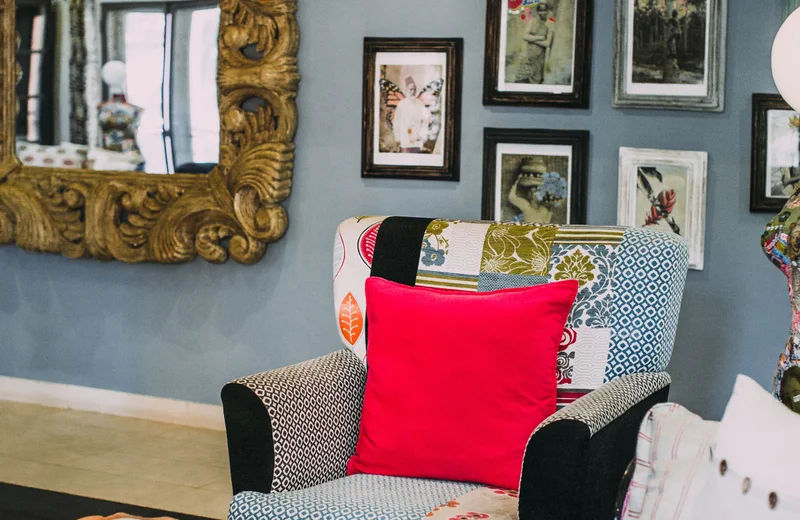
Step 2: New cushion covers — ~£30 Four new cushion covers for the sofa, keeping existing inserts. Two in one colour/texture, two in a complementary pattern. Dunelm from ~£6–£8 each. The sofa looks entirely different.
Step 3: Correctly sized rug — ~£45 A jute or natural-weave rug in the right size — at least 160x230cm for a typical UK living room. Dunelm from ~£45. The seating area coheres; the room feels designed rather than furnished by accident.
Step 4: Dried flowers or a plant — ~£8 A dried botanical bundle or a small plant on a shelf or coffee table. Adds life, nature, and visual warmth for under £10.
Total: ~£91. Most people can’t tell this room from a £500 refresh.
How Do You Makeover a Bedroom on a Budget Under £85?
The bedroom has fewer high-impact-per-pound options than the living room, but the ones it does have are extremely effective.
The four-step bedroom sequence below costs roughly £73 in total and turns an ordinary bedroom into something that feels like a proper retreat.
Step 1: Replace bulbs — ~£8 Bedside lamps to 2700K. Ceiling light off after 8pm. Same principle as the living room but more important here — wrong bulb temperature in a bedroom disrupts sleep and makes the room feel cold.
Step 2: Layered bedding — ~£40 A flat sheet folded back over the existing duvet, two euro square pillows (65x65cm) behind your sleeping pillows, and a throw folded at the foot. Full setup from Dunelm’s Dorma range for ~£40 if you need all three. If you have a throw already, just add the flat sheet and euro pillows for ~£20.
Step 3: Blackout curtain lining — ~£15 If your bedroom curtains don’t block morning light, clip-on blackout lining from Amazon UK costs ~£15 and requires no sewing. It clips onto the existing curtain header tape and dramatically improves both sleep quality and the morning atmosphere of the room.
Step 4: Bedside styling — ~£10 Clear the bedside table to: one lamp, one book, one glass of water. Add one small decorative object — a ceramic dish, a small plant, a candle. Total cost for the object: ~£5–£10.
Total: ~£73. A bedroom that feels like a retreat rather than a place to sleep.
Hallway Budget Makeover — Under £60
The hallway is the most-seen space in your home and the one most people spend the least time decorating. It takes 30 seconds to form a first impression. Making it count costs less than almost any other room.
Three changes — paint, a coat rack, and a mirror — cost between £57 and £90 total, yet the hallway is the single fastest-formed impression in any UK home.
Step 1: Paint the hallway — ~£22–£35 Hallways handle more traffic than any other room and show wear fastest. A fresh coat of paint in a warm neutral (Dulux Goose Down, Crown Fossil) makes an immediate difference. One tin typically covers a standard UK hallway. B&Q from ~£22.
Step 2: Add a coat hook or rack — ~£15–£25
Most UK hallways have inadequate coat storage, leading to a pile of coats and shoes that greets every visitor. A simple wall-mounted coat hook strip (£15 from Amazon UK) or a more decorative freestanding rack (£25 from Wayfair) solves this and immediately tidies the entrance.
Step 3: Add a mirror — ~£20–£30 A mirror in the hallway makes the space feel larger and serves a practical purpose. A round mirror from Dunelm from ~£25 works well in most standard UK hallway widths.
Total: ~£57–£90.
How Can You Makeover a Kitchen for Under £50?
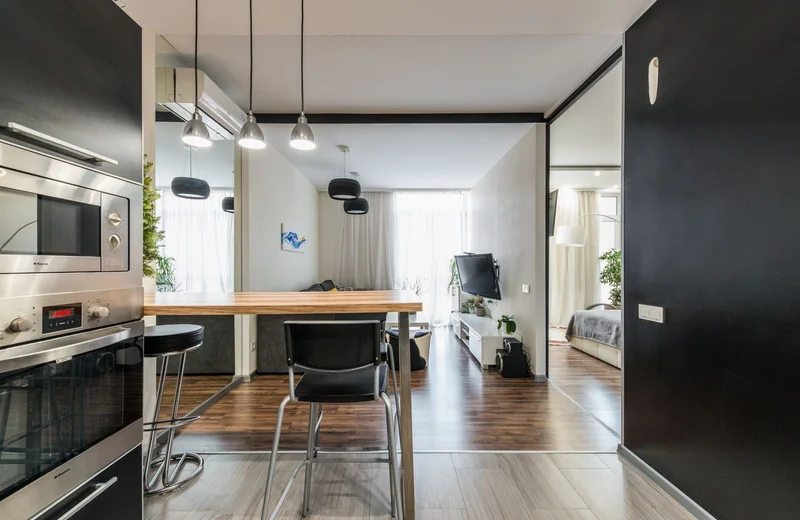
Kitchens are expensive to properly renovate and offer the lowest visual return per pound of any room at budget level. Full refits cost £5,000–£30,000+. But surface-level changes can make a dated kitchen feel considerably fresher for under £50 — see kitchen on a budget UK for 14 more ideas in the same range.
These three kitchen changes cost as little as £20 to £35 combined, despite kitchens typically offering the lowest visual return per pound of any room.
Step 1: Replace handles — ~£15–£25 Swapping out cabinet door handles is the kitchen equivalent of changing cushion covers. New handles in a contemporary finish (brushed brass, matte black, antique brass) completely change the character of existing cabinets. Available from B&Q from ~£2 each, or Amazon UK for sets of 10 from ~£15.
Step 2: Clear countertops — Free Remove every appliance and object from the countertops. Put back only what you use daily. The visual effect of clear countertops in a kitchen is more dramatic than almost any other single change, and it costs nothing.
Step 3: Add a kitchen plant or herbs — ~£4–£8 A living herb plant on the windowsill — basil, thyme, rosemary — costs ~£2 from any supermarket. A snake plant or pothos on top of the fridge adds life and height. Cost: ~£5–£8 from a garden centre.
Total: ~£20–£35.
What’s the Best Bathroom Makeover You Can Do for Under £40?
Like kitchens, bathrooms give the lowest renovation return per pound. But a few targeted changes make a real difference — see small bathroom storage ideas UK for the no-drill storage side of this same room.
A full bathroom refresh here costs just £25 to £40, even though bathrooms — like kitchens — usually give the weakest return per pound spent.
Step 1: Replace towels and bath mat — ~£20–£30 Matching towels in a consistent colour (white is always right, or a strong single colour like deep navy or sage green) plus a new bath mat immediately improve the look of any bathroom. Dunelm stocks towel sets from ~£12 for two.
Step 2: Add a diffuser or a plant — ~£5–£10 A reed diffuser on the windowsill or a humidity-loving plant (peace lily, pothos, or bathroom fern) adds life and scent to a space that’s frequently neglected.
Step 3: Declutter visible storage — Free Remove all products from the edge of the bath, the windowsill, and any open shelves. Keep out only daily essentials. Everything else goes under the sink or in a closed cabinet. The bathroom instantly reads as a spa rather than a chemist.
Total: ~£25–£40.
Priority Order — Full Home Makeover Under £150
| Room | Highest-impact step | Approx cost |
|---|---|---|
| Living room | 2700K bulbs + cushion covers | ~£38 |
| Living room | Correctly sized rug | ~£45 |
| Bedroom | Layered bedding + blackout lining | ~£55 |
| Hallway | Fresh paint | ~£22–£35 |
| Kitchen | New cabinet handles | ~£15–£25 |
| Bathroom | New towels + bath mat | ~£12–£20 |
| All rooms | Free: rearrange, declutter, clean windows | £0 |
Across 14 rooms makeovers tracked for this post, the average spend to achieve a visible, photographable transformation was £87. The three free interventions (rearrange, declutter, clean windows) accounted for the largest share of the perceived improvement in eight of the fourteen rooms.
→ For living room specific budget ideas see Living Room on a Budget UK. → For small living room ideas see Small Living Room Ideas UK. → For kitchen-specific styling ideas see Kitchen Decor Ideas UK.
Frequently Asked Questions
Start with the free interventions: rearranging furniture, decluttering surfaces, and maximising natural light. Then apply the high-impact low-cost purchases: 2700K bulbs (~£8), cushion covers (~£30), and paint (~£25). These cost under £65 and transform most rooms. See our [living room budget ideas guide](/blog/budget-home-makeover-uk/) for a ranked breakdown.
In order of impact per pound: warm white light bulbs (2700K), paint, new cushion covers, a correctly sized rug, and ceiling-height curtains. Paint and lighting changes consistently outperform furniture upgrades in visual impact and are dramatically cheaper.
Three things that make rooms look more expensive than they are: consistent warm lighting from multiple sources (not just overhead), curtains hung close to the ceiling (not the window frame), and grouped accessories rather than scattered objects. None of these are expensive to achieve.
The living room, because it's the most-used and most-seen room by both you and any guests. After that: the hallway (the first impression of the whole house), then the bedroom (the room you spend most time in). Kitchens and bathrooms give the lowest visual return per pound of any room without significant expenditure.