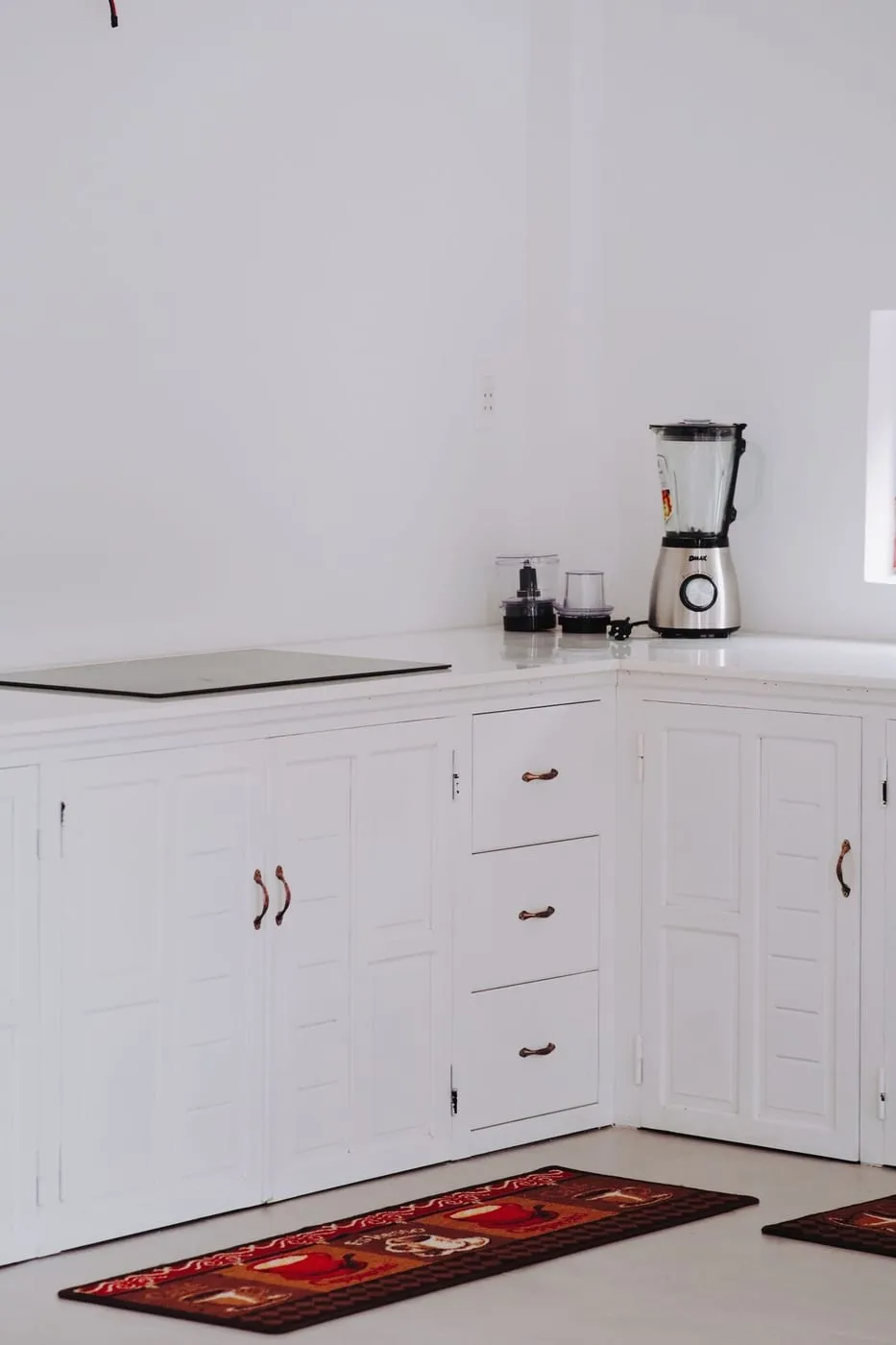
Her kitchen units were structurally fine, just dated: orange pine doors from the early 2000s, brass handles, the works. We spent an evening going through every option, and the price differences genuinely surprised her.
That conversation is the reason this post exists. If you’re weighing up affordable kitchen cabinets UK options, here’s exactly what each route costs, how long it lasts, and which one actually suits your situation.
Key Takeaways
- DIY paint costs £30–£60 and is the cheapest full transformation, lasting 3–5 years with proper prep.
- A professional respray runs £1,200–£3,500 but gives a factory-smooth, 8–10 year finish.
- Vinyl wrap sits in the middle at £150–£400 and suits renters or short-term updates.
- Replacement doors on your existing carcass cost £800–£2,500, roughly a third of a full new kitchen.
How Much Does DIY Cabinet Painting Cost?
DIY cabinet painting costs £30–£60 in materials for an average UK kitchen and remains the cheapest full transformation available. Rust-Oleum Kitchen Cupboard Paint (around £18 per tin at B&Q and Screwfix) covers roughly 12–15 doors per tin, and most kitchens need two.
The short version: remove the doors, clean with sugar soap, sand lightly, prime anything glossy or laminate, then apply two thin coats.
The finish holds up well on solid wood and MDF but struggles on thermofoil or high-gloss vinyl doors without a proper adhesion primer. If your doors are that shiny, factory-style laminate, skip straight to vinyl wrap or a professional respray instead.
DIY paint suits anyone with a free weekend, solid wood or MDF doors, and a budget under £100. It won’t match a sprayed finish for smoothness, but at roughly a tenth of the price, that’s rarely a dealbreaker.
What Does a Professional Kitchen Cabinet Respray Cost?
A professional kitchen cabinet respray typically costs £1,200–£3,500 for an average UK kitchen. Most charge £25–£45 per door plus a call-out or setup fee.
Respraying is done with a spray gun rather than a brush or roller, which eliminates brush marks entirely. The sprayer usually removes your doors, sprays them in a controlled booth or dust-sheeted space, and rehangs them once cured. The result looks genuinely close to a brand-new factory finish.
This route makes sense if your doors are in good structural condition but the surface is scratched, chipped, or an outdated colour, and you want a finish that will last. Most people assume respraying is only for high-end kitchens, but in our experience the cost per door often works out cheaper than replacing doors individually once you factor in a decent respray quote against flat-pack door pricing.
Expect the process to take three to five days, since doors need to cure fully between coats. A respray typically comes with a workmanship guarantee of one to two years, and the finish itself can last 8–10 years if maintained.
Is Vinyl Wrap a Good Alternative to Respraying Cabinets?
Vinyl wrap film costs £150–£400 for a full kitchen and works as a genuinely solid middle-ground alternative to respraying. Self-adhesive wraps from suppliers like Fablon and Cover Styl’ come in woodgrain, matte, and solid colour finishes that mimic painted or laminate doors closely.
Application involves cleaning the doors thoroughly, measuring and cutting the film to size, then applying it with a squeegee to push out air bubbles, working slowly to avoid creases. It’s more fiddly than painting but doesn’t require any drying time between steps, so a full kitchen can realistically be wrapped in a weekend.
Durability sits between DIY paint and a respray, typically 3–7 years depending on how carefully it’s applied and how close doors are to heat sources. Leaving a small gap from any hot surface, and choosing a matte rather than gloss film, seems to help it last.
Vinyl wrap suits renters, anyone unsure about committing to a colour, or kitchens with laminate doors that paint won’t stick to properly without extensive prep.
Are Replacement Cabinet Doors Cheaper Than a New Kitchen?
Replacement cabinet doors that fit your existing carcass cost £800–£2,500 for an average UK kitchen, roughly a third of the price of a full unit replacement. Companies including Kitchen Door Workshop and B&Q’s made-to-measure door service both offer this service.
The principle is straightforward: your existing cabinet boxes (the carcasses) stay bolted to the wall and floor exactly where they are. Only the doors, drawer fronts, and sometimes the worktop get swapped. This avoids the biggest costs in a kitchen renovation: new carcasses, re-plumbing, and re-wiring behind the units.
A full new fitted kitchen with carcasses, doors, and worktop typically starts around £4,000–£6,000 for a modest UK kitchen and climbs well beyond that for larger spaces or premium finishes. Replacement doors alone land at £800–£2,500 for the same footprint, which is why this option appeals to anyone whose layout still works but whose doors look dated or damaged.
Measure carefully before ordering. Standard UK cabinet widths run in increments (300mm, 400mm, 500mm, 600mm), but older kitchens sometimes deviate slightly, so a made-to-measure quote is safer than assuming standard sizing.
Is It Worth Just Changing the Handles?
New handles cost £15–£40 for an entire kitchen and remain the cheapest single change on this list, though the transformation is smaller than any of the four options above. It’s the right first move if you’re not ready to commit to paint, wrap, or new doors yet.
IKEA’s BLANKETT range runs £2–£3 per handle, while Dunelm and Etsy UK sellers stock cup pulls in matte black or antique brass from £1.50–£4 each. A full kitchen of twenty handles typically lands between £30 and £80.
Check your bore spacing (the distance between screw holes) before ordering. The most common UK bore is 128mm, but measuring first avoids drilling unnecessary extra holes into doors you might later paint, wrap, or replace.
Handles work well as a standalone update on doors that are otherwise in decent shape, or as the finishing touch layered on top of any of the other three options.
Cost Comparison: Which Cabinet Option Should You Choose?
| Option | Typical Cost (Full Kitchen) | Durability | Best For |
|---|---|---|---|
| New handles only | £15–£40 | N/A (hardware swap) | Doors in decent condition, tightest budgets |
| DIY paint | £30–£60 | 3–5 years | Solid wood/MDF doors, hands-on weekends |
| Vinyl wrap | £150–£400 | 3–7 years | Renters, laminate doors, colour uncertainty |
| Professional respray | £1,200–£3,500 | 8–10 years | Good structural doors, longer-term finish |
| Replacement doors (existing carcass) | £800–£2,500 | 10+ years | Damaged doors, layout that still works |
| Full new kitchen | £4,000–£6,000+ | 15+ years | Structural issues, layout changes needed |
Most UK homeowners land somewhere between the first three rows. If your doors are structurally sound and you’re comfortable with a weekend of prep work, DIY paint gives the biggest transformation for the smallest spend. If you want a longer-lasting, smoother finish and have some budget to spare, a respray or replacement doors make more sense.
Once you’ve picked a method, colour is the next decision. Deep aubergine and other jewel tones are having a real moment on cabinets right now, alongside a softer “grandma core” look — sage green and warm cream paired together — for anyone who wants something gentler than stark white or all-grey.
There’s no single right answer here, it genuinely depends on your doors, your budget, and how long you plan to stay in the property. If you’re renting or unsure, start with handles or vinyl wrap. If you own and your doors are solid, DIY paint gives you the best pound-for-pound transformation. And if you’ve got a bit more to invest, a respray or replacement doors will outlast almost anything else on this list.
Related reading you might find useful:
The budget kitchen series — each part in depth:
- Kitchen on a Budget UK: 14 Affordable Ideas — the room-by-room overview
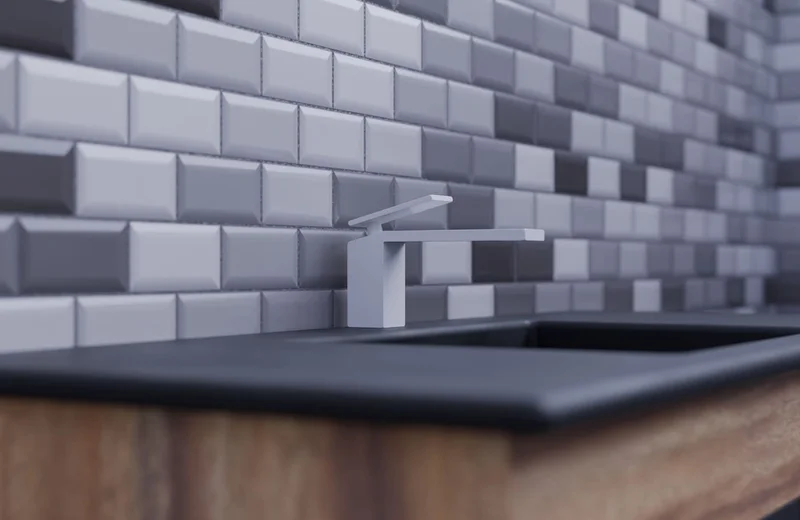
- Budget Kitchen Splashback & Tile Ideas UK
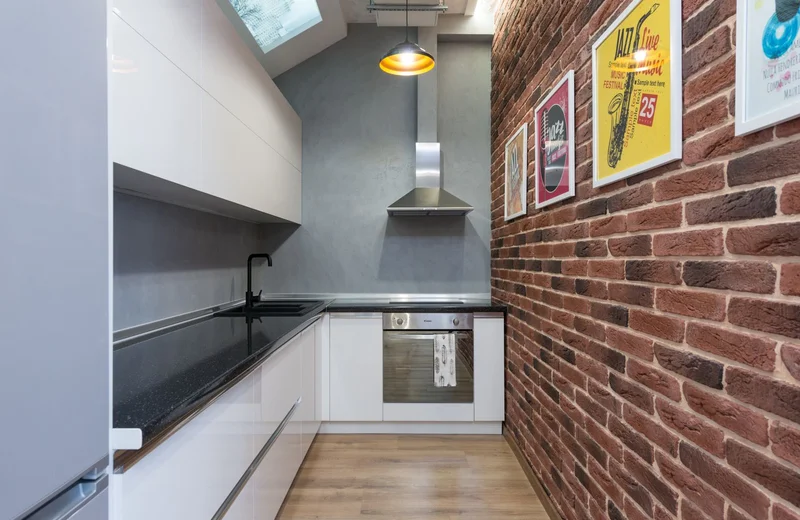
- Galley Kitchen Ideas UK
Frequently Asked Questions
Professional kitchen cabinet respraying typically costs £1,200–£3,500 for an average UK kitchen, depending on door count and finish. Specialist sprayers like Kitchen Makeover Company and local trade sprayers quote per door, usually £25–£45 each.
Yes, for 3–7 years of use. Quality vinyl wrap from suppliers like Fablon or Cover Styl' resists heat and moisture reasonably well when applied properly, though it can lift at edges near the hob over time.
Yes, significantly. Replacement doors that fit your existing carcasses cost roughly a third of a full kitchen replacement, since you avoid new carcasses, worktop removal, and re-plumbing entirely.
New handles are the cheapest single change, from £15–£40 for a whole kitchen. DIY painting comes next at £30–£60, offering a bigger visual transformation for a modest jump in cost and effort.
Rust-Oleum Kitchen Cupboard Paint (around £18 per tin) is the most durable consumer option. Frenchic Al Fresco and Farrow & Ball Estate Eggshell also work well on properly primed surfaces.
Yes — especially on solid wood or MDF doors. Painting saves thousands versus replacing units and can last 5–7 years with proper prep and the right paint. Avoid painting thermofoil or laminate doors without specialist primer.
A budget kitchen makeover in the UK typically costs between £45 and £400, depending on how many changes you combine. New handles plus cabinet paint runs £45–£100 and takes a weekend. Adding vinyl wrap pushes the total to £200–£460. A professional respray at £1,200–£3,500 delivers a factory-smooth finish lasting 8–10 years.