The average full kitchen renovation in the UK costs between £8,000 and £25,000, according to Checkatrade’s 2024 cost data — nowhere near affordable for most people. Most British homeowners simply don’t have that sitting around, so a cheap kitchen makeover that skips the fitter entirely is the realistic option. And yet almost every kitchen I’ve seen in a terrace, a flat, or a 1990s semi looks tired in exactly the same ways: dated handles, grimy grout, wonky cabinet doors, and that one drawer that’s been broken for three years.
I’ve been there. A couple of years ago, my kitchen was genuinely embarrassing. Oak-effect flatpack units from around 2003, a beige laminate worktop with a burn mark near the hob, and taps that took five seconds of wiggling before water came out. I had about £180 to spend and absolutely no intention of calling a fitter.
What followed was three weekends and some genuinely satisfying before-and-after results. This post is everything I did and everything I’d add if I were doing it now.
You don’t need a new kitchen. You need about two weekends and four things:
| What | Why it matters |
|---|---|
| Paint for the cabinet doors | The biggest visual change per pound spent |
| New handles and knobs | Instantly de-dates any kitchen |
| Better lighting | Poor fittings make even new kitchens look tired |
| A ruthless declutter | Free, and makes every other change look better |
The 14 changes below can be done individually or stacked for a full refresh — most cost under £50 each, and none require a tradesperson.
Read more: budget home transformation framework
Start With the Cabinet Doors
Painting cabinet doors is the single highest-impact change you can make to a tired kitchen. Two tins of Rust-Oleum Kitchen Cupboard Paint (around £36 total) cover a full standard UK kitchen — the best spend-per-impact ratio of any change on this list.
Painting is only one of four ways to update tired cabinets, though — respray, vinyl wrap, and replacement doors each suit different budgets and door types. Full prep steps, colour choices, a cost comparison, and which route fits your situation: Budget Kitchen Cabinet Makeover UK.
How Do You Swap Every Handle and Knob?
Cabinet handles are one of those things you stop noticing — until you see a kitchen where they’ve been changed. Replacing brass bar pulls from 2002 with something modern takes thirty minutes and a screwdriver. The visual difference is disproportionate to the effort.
A full kitchen of twenty handles costs between £30 and £80, whether you choose IKEA’s BLANKETT range from ~£2–£3 each or Etsy cup pulls from £1.50–£4 each, and the whole swap takes about thirty minutes with a screwdriver.
IKEA sells simple brushed nickel bar pulls (the BLANKETT range) for around £2–£3 per handle. For a more premium feel, check Dunelm’s hardware section or Etsy UK sellers — cup pulls in antique brass or matte black run from £1.50 to £4 each. A full kitchen of twenty handles costs between £30 and £80 depending on your source.
The one catch: check your existing hole spacing (the distance between the two screw holes, called the “bore”). The most common UK bore is 128mm. Measure before you order, or you’ll spend an afternoon drilling new holes.
New handles cost £15–£40 for a full kitchen and make flatpack units look considered rather than default.
Is Open Shelving Worth Adding?
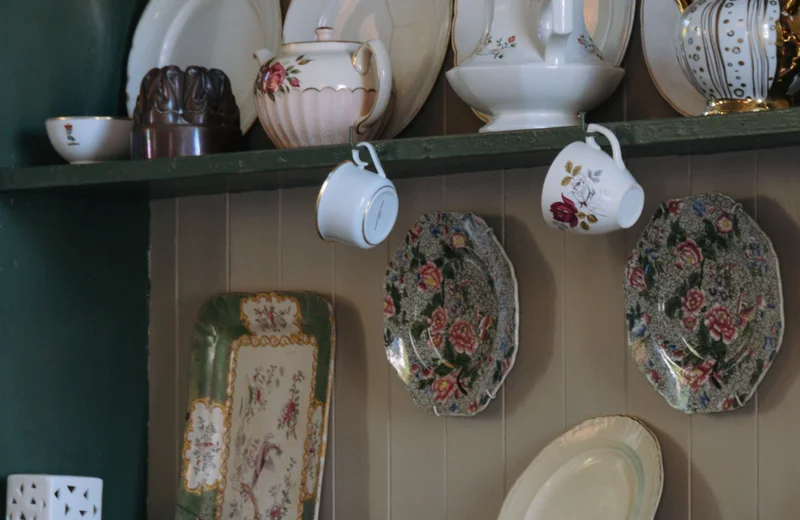
Removing a couple of upper cabinet doors and using the space as open shelving costs almost nothing and makes even a small kitchen feel more intentional. If you want proper dedicated shelving, IKEA’s Boaxel wall-mounted system starts at around £25 for a single shelf with brackets and holds up to 50kg per shelf.
One IKEA Boaxel shelf and bracket set starts at around £25 and holds up to 50kg, giving a small kitchen visible extra storage without touching the existing cabinet layout.
Open shelving works particularly well in alcoves, beside windows, or in any corner where a full upper cabinet would feel oppressive. Style with a mix of functional items (stacked plates, mugs, a wooden board) and one or two decorative touches. A small plant helps enormously.
The criticism of open shelving — that it gets dusty — is valid, but easily managed if you use items daily. Reserve it for your everyday crockery and glasses rather than the china you bring out twice a year.
One IKEA Boaxel shelf unit costs around £25–£50 depending on size and adds visible storage without touching your existing cabinet layout.
How Much Does It Cost to Replace the Taps?
Old taps are one of the most ageing elements in any kitchen. A single-lever monobloc tap costs from £45 at B&Q (the Cooke & Lewis Palma range) and from £55 at Screwfix. Replacing a tap is a job most confident DIYers can do in under two hours with an adjustable spanner and a YouTube tutorial.
The visual upgrade from a stained chrome pillar tap to a clean matte black or brushed brass monobloc is immediately noticeable. It also brings a functional benefit: single-lever taps are genuinely more pleasant to use than the old two-tap arrangement.
If you’re not confident with plumbing, a local handyman will charge around £50–£80 to swap a tap. Even at that price, a £60 tap plus £60 fitting equals £120 — still a fraction of what any other kitchen update would cost.
A new monobloc tap from B&Q or Screwfix starts at £45 and is one of the most noticeable single changes in a kitchen refresh.
What Should You Do About the Splashback?
A tired grout line or a bare wall behind the hob are both quick, cheap fixes — regrouting an existing tile splashback runs under £15 in materials, and a peel-and-stick tile sheet covers a bare wall for £25–£45 with no tools or adhesive needed. Either takes an afternoon.
Full breakdown of both options, product picks, and step-by-step application: Budget Kitchen Splashback & Tile Ideas UK.
How Do You Upgrade the Lighting?
Most UK kitchens suffer from one central ceiling light and permanent shadows on the worktop. Under-cabinet LED strip lights fix this immediately — one of the cheapest fixes for a kitchen’s most common lighting problem. Luminoodle and LE make USB-powered or plug-in strips available on Amazon for £12–£25 for a 2–3 metre run; B&Q’s own-brand kits are around £18 and come with a simple adhesive backing.
Under-cabinet lighting eliminates the shadow that a ceiling pendant casts over worktop areas, making food prep easier and the kitchen look significantly better in photos. It’s also one of the easiest upgrades on this list — peel, stick, and plug in.
If your ceiling light is a single bare bulb or an outdated fitting, a replacement pendant or flush ceiling light starts at £18 at Dunelm. Warm white bulbs (2700K) make a kitchen feel considerably more welcoming than the blue-white 4000K bulbs that often come pre-installed.
Paint the Walls a Different Colour
It sounds obvious, but most people focus entirely on the units and forget that the wall colour between and above the cabinets is a significant visual element. A flat kitchen with cream walls looks completely different painted in a deep sage, a warm terracotta, or a proper off-white like Dulux Malt Chocolate or Farrow & Ball Elephant’s Breath.
Two tins of Dulux Kitchen Matt cost around £40 in total and repaint an average kitchen’s walls without touching a single cabinet, often producing more visible difference than new handles alone.
A 2.5L tin of Dulux Kitchen Matt covers around 30 square metres and costs £19–£23 at B&Q. It’s specifically formulated for the moisture and steam environment of a kitchen, so it resists mould and wipes clean more readily than standard emulsion. Two coats on average kitchen walls costs around £40 in paint.
The wall colour between upper and lower units is often the most visible expanse of colour in a kitchen, yet most guides focus exclusively on units. Painting just the walls — without touching a single cabinet — often makes more visual difference than new handles alone, and costs less.
Two tins of Dulux Kitchen Matt at around £40 total changes the entire atmosphere of a kitchen without touching the units.
Should You Replace or Wrap the Worktop?
A full DIY worktop swap in laminate can come in under £120 for a standard 3-metre run, and wrap film is a cheaper still option from around £20–£30 a roll if replacement feels too ambitious.
Full cost breakdown by material (laminate, wrap film, solid wood) and fitting steps: Budget Kitchen Worktop Makeover Ideas UK.
Add a Kitchen Runner Rug
This one gets overlooked constantly. A washable kitchen runner from Dunelm’s Thornbury or Taunton ranges costs £18–£35 and adds warmth underfoot without touching a single hard surface in the room — softening the floor and pulling colour into a space that’s often dominated by hard surfaces, especially in front of the sink or along a galley layout.
Choose a washable rug rather than a standard flatweave, particularly if you cook frequently. Machine-washable runners from Dunelm or IKEA’s Traaby range handle the daily mess of a working kitchen. Avoid anything with a thick pile — kitchen floors need something flat enough that it doesn’t catch on chair legs or trip people.
Colour-wise, a neutral runner (jute, oatmeal, stone) works in nearly every kitchen. If your kitchen is quite neutral already, a runner with a bit of pattern adds the visual interest that prevents the space from feeling flat.
Declutter and Reorganise the Worktop
This is free, and it makes more difference than people are willing to admit. A worktop with a kettle, toaster, knife block, fruit bowl, coffee machine, bread bin, and a random pile of post looks cluttered regardless of how nice the units are. Editing the worktop down to three or four items changes the entire perceived quality of the space.
Decant dry goods into matching storage jars. Smeg, Kilner, and IKEA’s 365+ range all work well. A set of four matching glass jars from Dunelm costs around £12–£18. They make pasta, rice, and coffee look intentional rather than random. Matching tea, coffee, and sugar canisters from Amazon cost around £15–£20 for a set of three.
Move the things you use daily within easy reach and relocate everything else to a cupboard. If you reach for the panini press twice a year, it doesn’t need to live on the worktop.
Worktop organisation costs nothing, takes two hours, and creates the impression of a significantly better kitchen before you spend a penny on anything else.
Is It Worth Installing a New Sink?
Sink replacement sounds expensive. It doesn’t have to be. A single bowl stainless steel undermount sink from Screwfix starts at around £55, and a 1.5 bowl inset sink at B&Q starts at £65. Swapping a sink is more involved than replacing a tap, but a plumber charges roughly £80–£120 for a straightforward swap — still under £200 total including fitting, and a new sink transforms a kitchen more than almost any other single fixture.
Stainless steel has come back strongly in UK kitchen design after years of ceramic and composite dominance. A brushed steel sink looks contemporary, is harder to chip than ceramic, and is easier to find in budget ranges. If you prefer the farmhouse look, Wickes sells Belfast sinks in ceramic from around £99.
Pair a new sink with the tap upgrade from point four and you’ve replaced the entire focal point of the kitchen for under £200 including fitting.
Paint or Tile the Floor
Dated sheet vinyl or ceramic tile can be refreshed with specialist floor paint for a short-term fix, or replaced with peel-and-stick vinyl tiles — £50–£90 for a standard 3m x 3m kitchen floor, no adhesive needed, and renter-removable.
Full options including real ceramic tile and fitting costs: Budget Kitchen Flooring Ideas UK.
Add Plants and Proper Accessories
A small herb plant costs £3–£5, a wooden chopping board £15–£25, and matching accessories £10–£20, putting the entire finishing layer of a kitchen refresh at around £30–£50 total. The final category is the one that makes everything else cohere. A kitchen with freshly painted units and new handles still looks like a home project without the finishing layer: plants, a decent chopping board on display, some matching accessories, and one or two objects that look chosen rather than default.
A small potted herb garden in the window costs £3–£5 per plant at most supermarkets and garden centres. Basil, rosemary, and mint are the obvious choices — useful and attractive. A proper wooden chopping board propped against the splashback costs £15–£25 at Dunelm, and a ceramic pot or two from TK Maxx at £4–£8 each adds warmth. This finishing layer — plants, board, small accessories — is what makes a refreshed kitchen look finished rather than half-done.
In my own kitchen refresh, adding a basil plant, a wooden board, and removing all the plastic storage containers from the worktop made a larger difference to the photographed result than any single structural change. Styling is underrated in budget makeovers.
Read more: living room budget ideas UK
Renting? What You Can Change Without Losing Your Deposit
Most of the changes above are safe for renters, but a few need a second look before you start — UK tenancy deposit schemes typically require the property returned to its original state, so anything permanent is a real risk, not just a formality.
Fully reversible, no landlord permission needed: painting cabinet doors (repaint or revert before move-out), swapping handles (keep the originals in a bag to refit later), a peel-and-stick splashback (removes clean), a washable runner rug, worktop wrap film, and any of the styling/decluttering steps. These cover most of the visual impact on this list without touching anything structural.
Needs a quick conversation with your landlord first: replacing taps or the sink (plumbing changes), and drilling for wall-mounted shelving like the Boaxel system — most letting agents are fine with this if you offer to patch and repaint before you leave, but get it in writing rather than assuming.
If your kitchen situation is specifically a rented flat and you want the full no-permission-needed version of this list — including how to store your original fittings for a stress-free move-out — see Rental Kitchen Upgrade Ideas UK (No Landlord Permission Needed).
Where to Start: A Priority Table
Not everyone has the time or money to tackle all fourteen at once. Here’s how I’d stack the upgrades by impact per pound if you’re working with a limited budget.
| Step | What to Do | Approx Cost |
|---|---|---|
| 1 | Declutter and reorganise the worktop | Free |
| 2 | Swap all cabinet handles | £15–£40 |
| 3 | Regrout the tile splashback | £10–£15 |
| 4 | Paint the walls | £35–£45 |
| 5 | Add under-cabinet LED lighting | £12–£25 |
| 6 | Paint the cabinet doors | £36–£60 |
| 7 | Add a kitchen runner rug | £18–£35 |
| 8 | Install a peel-and-stick splashback | £25–£45 |
| 9 | Replace the taps | £45–£100 |
| 10 | Add open shelving | £25–£50 |
| 11 | Replace the sink | £55–£180 incl. fitting |
| 12 | Add peel-and-stick floor tiles | £50–£90 |
| 13 | Replace or wrap the worktop | £45–£120 |
| 14 | Add plants and accessories | £20–£50 |
The first four steps are free or under £50 combined. They won’t take a weekend. If you complete only those four, the kitchen will already look meaningfully different.
The full list, priced at mid-range, comes to roughly £410–£830. That sounds like a lot until you compare it with a basic kitchen replacement at £8,000 minimum. For most UK homes with structurally sound units that just look dated, these fourteen changes are the sensible path.
Related reading you might find useful:
Going deeper on kitchens specifically:
- Budget Kitchen Cabinet Makeover Ideas UK
- Rental Kitchen Upgrade Ideas UK (No Landlord Permission Needed)
- Small Kitchen Storage Ideas on a Budget UK
- Budget Kitchen Worktop Makeover Ideas UK
- Budget Kitchen Splashback & Tile Ideas UK
- Budget Kitchen Flooring Ideas UK
- Kitchen Decor Ideas UK for the styling layer once the budget renovation is done
- Earthy Neutral Kitchen Colour Trends UK for a two-tone cabinet colour scheme under £500
- Grandma Core Kitchen Ideas UK for a specific budget aesthetic direction
- Hidden Pantry Ideas for Small UK Kitchens for kitchens with no dedicated pantry space
- Small Kitchen Island Ideas for UK Flats for adding worktop and storage without a full refit
- Unfitted Kitchen Ideas UK for a freestanding-furniture alternative to fitted units
Frequently Asked Questions
Paint the cabinet doors, swap the handles, add open shelving, and replace the taps. These four changes cost under £200 combined and make a bigger visual impact than most full kitchen renovations.
Paint units a light colour, remove upper cabinet doors from one section to create open shelving, add under-cabinet lighting to lift the worktop area visually, and use a large format splashback tile (real or stick-on) to reduce visual busyness.
An affordable kitchen renovation means working with the existing layout and carcasses rather than a full refit — painting cabinets, swapping handles and taps, and adding open shelving. Done this way, a full budget kitchen refresh typically costs £150–£400, versus £8,000+ for a fitted replacement.
A budget kitchen makeover keeps the existing cabinet boxes, worktop, and layout, and changes only the surface elements — doors, handles, paint, and lighting. A full renovation replaces everything including plumbing and electrics. For most UK homes, a budget refresh delivers 70-80% of the visual impact at 2-5% of the cost.