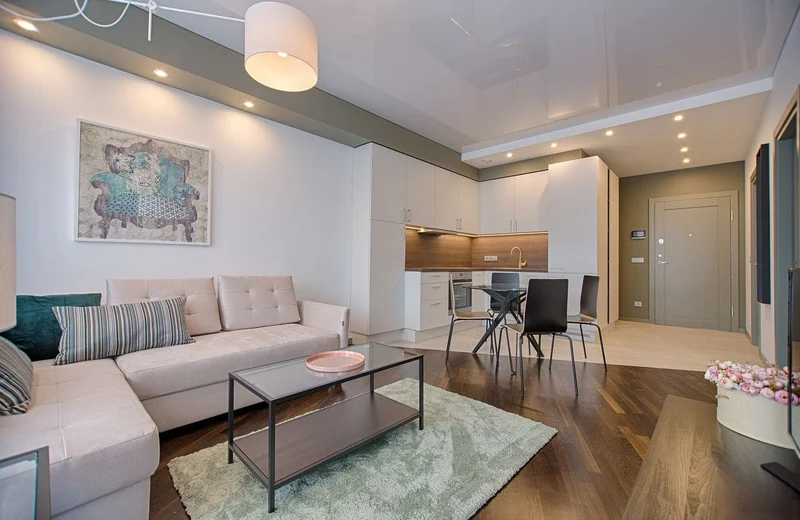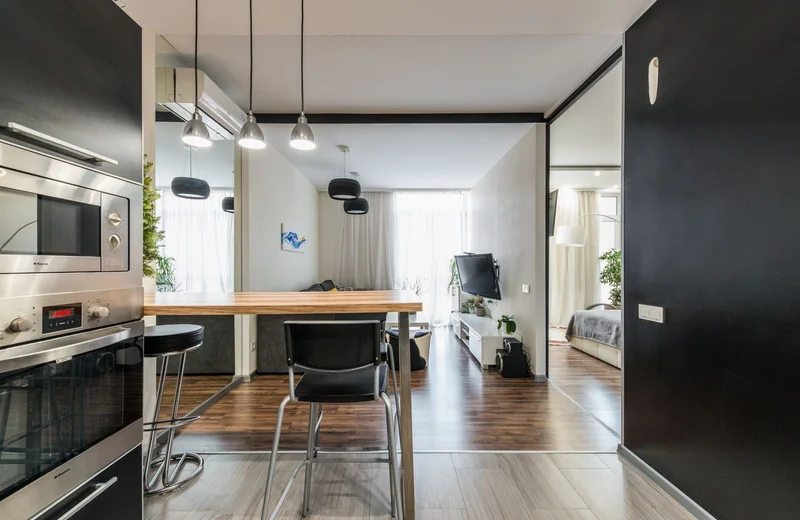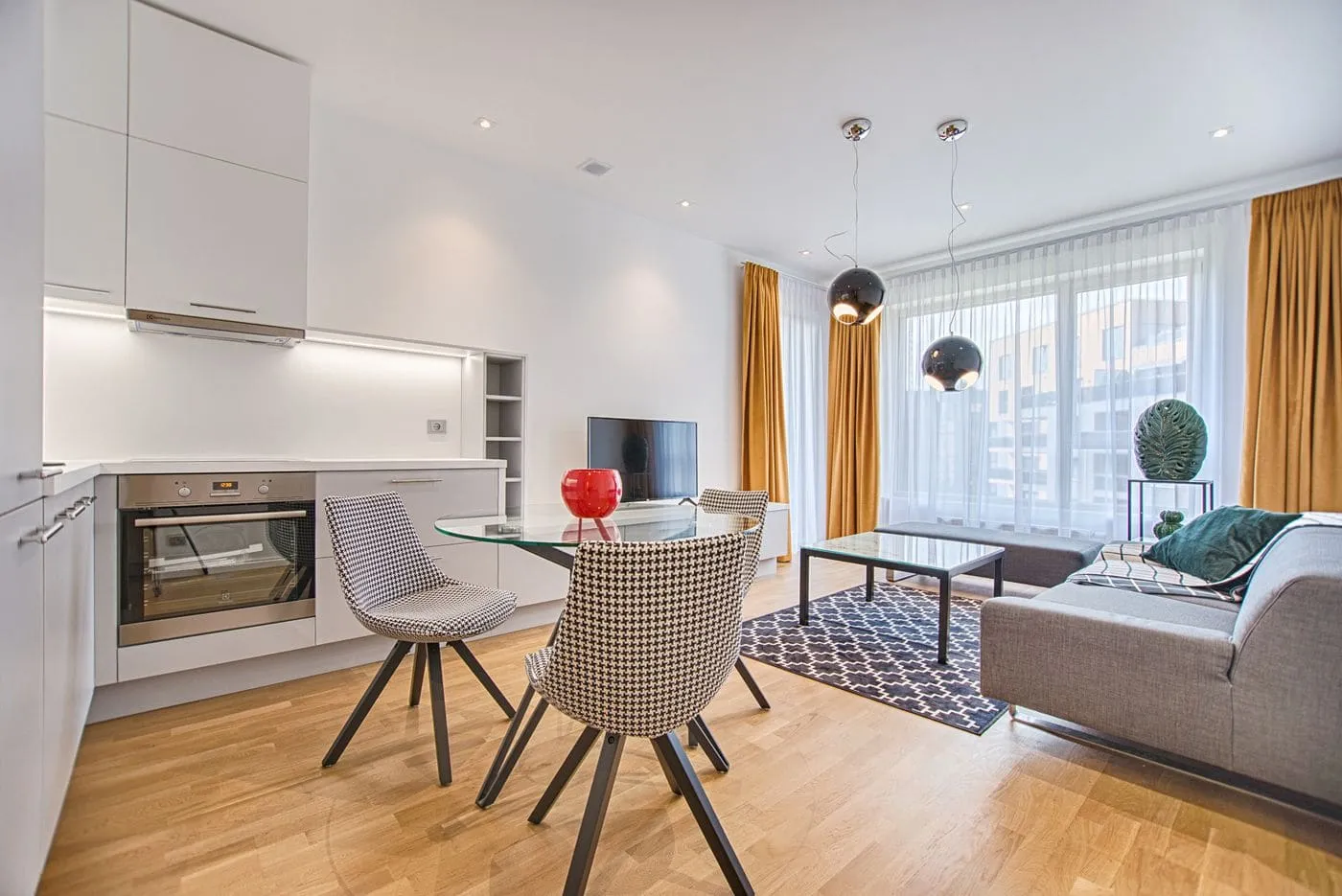
I’ve renovated three rented flats across the UK — each with dated kitchens and tight deposit limits — and earthy neutrals have become my go-to for timeless, low-stress updates. They’re not just calming, they’re practical: less obvious dirt than white, less cold than pure grey, and they age gracefully as trends shift. Warm, grounded palettes have overtaken stark white as the default choice in most 2026 UK kitchen trend reports — and it’s easy to see why: they work with old and new homes alike.
TL;DR: Earthy neutral kitchen colours are in for 2026 — think oatmeal, warm beige, charcoal, and clay. A two-tone approach (light up, dark down) adds depth without overwhelming the space. You can pull it off for under £500 using DIY paint, peel-and-stick backsplash, and new hardware. All the fixes here are deposit-safe, so no landlord drama.
1. Why Do Earthy Neutrals Fit UK Kitchens So Well?
Earthy neutrals have deep roots in British interiors — think Cotswolds stone, traditional clay roof tiles, and the soft greys of coastal cliffs. They balance warmth with restraint, perfect for UK homes where lighting can be tricky and kitchens often double as living zones. Better still, they’re forgiving: fingerprints, splatters, and worn edges blend in far better than stark white. Search interest in earthy kitchen tiles has been climbing steadily, with a noticeable seasonal peak every spring as people refresh after winter. I’ve found these tones make even small, north-facing kitchens feel cozier — and you don’t need perfect lighting to pull them off.
2. What Is the 2026 Earthy Neutral Kitchen Palette?
Stick to three core families: warm beiges (like ‘Natural Linen’), muted clay tones (‘Dusty Rose’), and soft charcoal (‘Dark Slate’). Avoid anything too yellow (can look dingy) or too cool (feels sterile). Dulux’s ‘Warm Earth’ palette is ideal — all tested in UK light. B&Q stocks Dulux paints in 2.5L tins for ~£32, with generous coverage of two coats per tin on kitchen units. For tiles, Dunelm’s ‘Cottage Beige’ wall tiles (porcelain effect) come in 30x60cm sheets at ~£22/m² — great for a full backsplash on a small kitchen.
3. Two-Tone Logic: Light Up, Dark Down (or Vice Versa)
This is the most budget-friendly and visually balanced approach. Paint upper cabinets in a warm oatmeal like Farrow & Ball ‘String’ (~£35 for 750ml, worth splurging on for small areas) against a soft charcoal lower half (‘Dark Slate’ ~£32 at Dulux) for full-step contrast without repainting the whole kitchen. It adds dimension without making the room feel heavy. I tried this in a Brixton studio: the high cabinets brightened the ceiling, while the darker base units grounded the space. Bonus: use the same shade on your fridge or pantry cabinet to tie it together. Just ensure there’s at least one full step of contrast, not just a shade lighter.
4. Why Is Peel-and-Stick Backsplash a Deposit-Safe Hero?
Skip tiling over tiles, it’s permanent and usually banned in leases. Instead, use a peel-and-stick tile brand like FloorPops: a stone-look range (30x30cm) costs ~£18 per pack on Amazon UK, and a full 1.8m kitchen run comes to roughly £42 in materials. I installed one myself in 45 minutes with no residue left on removal. Measure your space, clean with sugar soap first (£6 at B&Q), then press and smooth with a squeegee. The texture adds visual depth without the mess, and it’s exactly how I salvaged a landlord’s awful 90s beige tiling.
5. How Can £20 of Hardware Swaps Transform a Kitchen?
New handles or knobs make outdated cabinets look intentional and contemporary. Try brushed brass knobs (Next Home, ~£1.50/pair) or matte black pulls (IKEA MÖJLIG, £3.99 for 4). A full kitchen of 12 doors and 8 drawers can be re-handled for under £35 in about 20 minutes, with no drilling needed if you use reversible screw types. Just match the drill holes if replacing old ones. Bonus tip: mix sizes, larger pulls on drawers, small knobs on doors, to add rhythm.
6. Which Countertops and Surfaces Keep It Natural?
If you’re replacing or overlaying countertops, choose engineered stone with warm veining. IKEA’s ‘Formica Laminate’ in ‘Oyster’ is £29/m² (after you order online and collect, delivery adds £25). For renters, consider adhesive laminate sheets like Cambria’s ‘Quartz Effect’, which stick over existing Formica at £19.99 per 60x240cm sheet on Amazon UK and are just 0.5mm thick. Just ensure your surface is clean and dry; they won’t damage the base if you ever need to remove them. Avoid anything too glossy, matte or satin finishes suit earthy tones best.
7. Open Shelves: Keep It Light and Airy
Built-in shelves can feel heavy, especially in small kitchens. Open shelves in a warm walnut effect (IKEA’s ‘JARAS’ shelf, £12.99 per 60cm) keep light moving and show off your favourite mugs and pottery. They’re renter-friendly and can go up damage-free with a £6.99 pack of heavy-duty Command strips (12 per pack, Amazon UK). I’ve used them over the sink in two flats with zero damage claims. Space them irregularly, 30cm, then 40cm, then 25cm, for a relaxed, curated look.
8. How Do You Choose Lighting That Warms Up an Earthy Kitchen?
Avoid cold white LED strips, they kill the earthy vibe. Instead, use warm dimmable LED downlights (IKEA RIGGEN, £14.99 per 2-pack), positioned so light falls on food prep areas rather than straight into your eyes. Add pendant lights above the island in matte black or brass (John Lewis’s ‘Oval’ range starts around £35). For renters, battery-powered LED strips with adhesive backing (like Teckin, £10.99 on Amazon UK) work well under cabinets, just avoid permanent wiring.
9. Tiles or Panels: Which Backsplash Alternative Works Best?
If peel-and-stick isn’t enough, consider lightweight wall panels. Marmoleum’s ‘Cork Look’ panels (Dunelm, £28 for a 60x60cm tile) are easy to cut and stick with solvent-free adhesive, and they’re genuinely warm to the touch with no chipping like tile grout. Or try a painted backsplash: a water-based eggshell in ‘Clay’ (Dulux ‘Desert Dusk’, ~£32) covers one to two square metres with a tiny foam roller for a smooth finish. Just mask off nearby surfaces, you’re only doing 1-2 square metres.
10. Flooring: Tile vs. LVT That Works
Most UK kitchens are still tiled, but the trend is shifting to warm-effect LVT (luxury vinyl tile). Click-together LVT flooring in warm sand tones (from £25-£30/m² at IKEA, B&Q, or Wickes) lets renters lay it as a floating floor over existing tiles with no glue needed, just weight and edge trim. For true temporary fixes, peel-and-stick vinyl tiles like FloorPops’ stone-look range (£14.99 per 30x30cm tile) work well for a small patch. Don’t go full white, a soft beige with subtle variation will tie in with your cabinetry.
11. Accessories: Plants, Rugs, and Textiles That Pull It Together
Bring in texture with jute rugs (Dunelm, £24 for 140x200cm), woven placemats (John Lewis, £8.50), and ceramic planters. A single olive tree in a matte clay pot (The Range, £18.99) adds life and height without blocking light. Avoid synthetic-looking plastics, they clash with the organic feel. Keep your textiles neutral: oatmeal tea towels, charcoal oven gloves. Even small touches like a brass timer or wooden spoon holder add warmth without shouting.
12. What Budget Mistakes Should You Avoid?
First, don’t skimp on paint prep, masking tape and sanding light edges prevents peeling. Second, don’t mix warm and cool earthy tones too freely (e.g., yellow-beige + blue-grey = muddy). Third, skip cheap veneer overlays that warp in humidity, they cost less up front but look cheap fast. Last, resist adding three ‘accent’ colours, stick to one warm and one cool neutral, max. I once used a ‘mustard’ backsplash on a budget job; it dominated the space and cost me £50 to fix later, which is reason enough to keep accents capped.
13. What Are the Best Landlord-Approved Options for Renters?
If you’re renting, focus on non-permanent changes: peel-and-stick tiles, Command hooks, freestanding furniture (like a vintage sideboard for storage), and tension rods for curtain-like backsplash panels. I’ve used linen fabric over a rod with weighted dowels for £12 total, and like peel-and-stick tiles, it leaves no permanent marks for a landlord to notice. Tell your landlord you’re ‘refreshing’ with removable features, most don’t care as long as the paint colour is neutral and you’re not drilling. Always take photos before moving out.
14. Real Budget Breakdown: Under £500 Total
- Paint (2L upper cabinets, 2.5L lower): £60
- Peel-and-stick backsplash (1.8m run): £42
- Cabinet hardware (20 pieces): £30
- Open shelf (IKEA JARAS, 1.2m): £26
- Wall art & textiles: £40
- Plant & pot: £20
- LED strips (under-cabinet): £12
- Tools & supplies (tape, rollers, sugar soap): £20
Total: £250 — yes, really. You’ll have £250 left for your first fancy espresso.
The Earthy Neutral Kitchen Priority Order
- Paint the upper cabinets in a warm neutral — the biggest visual impact for little money.
- Add peel-and-stick backsplash — instant texture and depth.
- Swap hardware — the fastest way to modernise.
- Introduce warm lighting — cold light ruins the whole palette.
- Add one open shelf — for display and lightness.
- Layer textiles and plants — finishes it off without commitment.
Earthy neutral two-tone kitchens in 2026 aren’t about copying influencers — they’re about warmth, practicality, and making your space feel rooted in real life, not trends. And if you’re renting? You can do it all without losing your deposit.
→ How to style a living room UK with earthy tones
→ Rented flat kitchen makeover UK
→ Kitchen on a Budget UK for the full room transformation, not just the colour palette
Frequently Asked Questions
Yes — warm earth tones like taupe, ochre, and warm grey are dominating UK kitchen palettes going into 2026. They’re timeless, adaptable, and pair beautifully with natural materials like wood and stone-effect surfaces.
Absolutely. Paint only the upper cabinets in a warm oatmeal (Dulux ‘Natural Linen’ ~£32 for 2.5L), and keep lower units in a deeper grey (e.g., ‘Dark Slate’ ~£32). Use painter’s tape and a good brush — no need for sanding if you prep properly.
Try peel-and-stick tiles like Art3d's cement-look range (from ~£18 per pack on Amazon UK). Cut to size and stick over existing backsplash — no grout, no damage.
Not if you keep it balanced: stick to one warm and one cool neutral (e.g., warm oatmeal + cool charcoal), and add flexible accessories like woven baskets or copper utensils. Avoid bold patterns that dominate the palette.
A renter-friendly refresh, covering paint, hardware, a peel-and-stick backsplash, one open shelf, lighting, and accessories, comes to roughly £250–£500 using B&Q, Dunelm, and IKEA pricing (checked July 2026). Painting cabinets alone accounts for the biggest single line item at around £60.
Most UK renters can DIY this safely with proper prep. Clean with sugar soap (~£6 at B&Q), lightly sand, and use a specialist cabinet paint like Dulux Kitchen Cupboard Paint for durability. Two coats typically dry within 24 hours between applications.