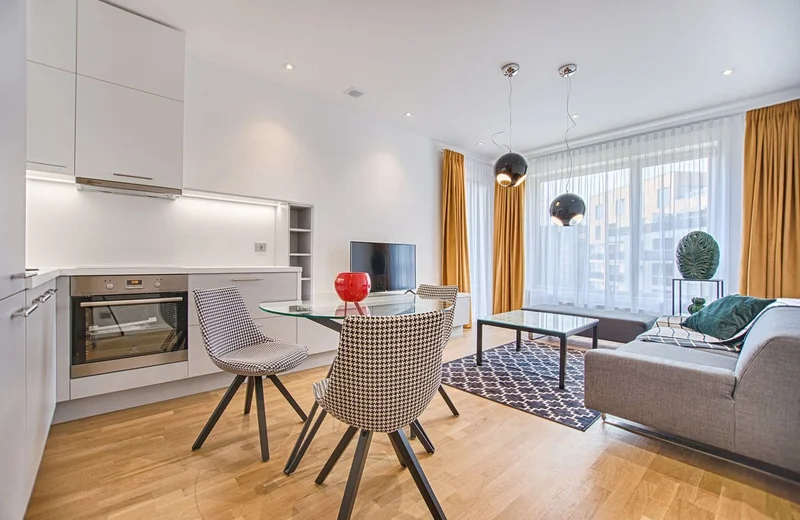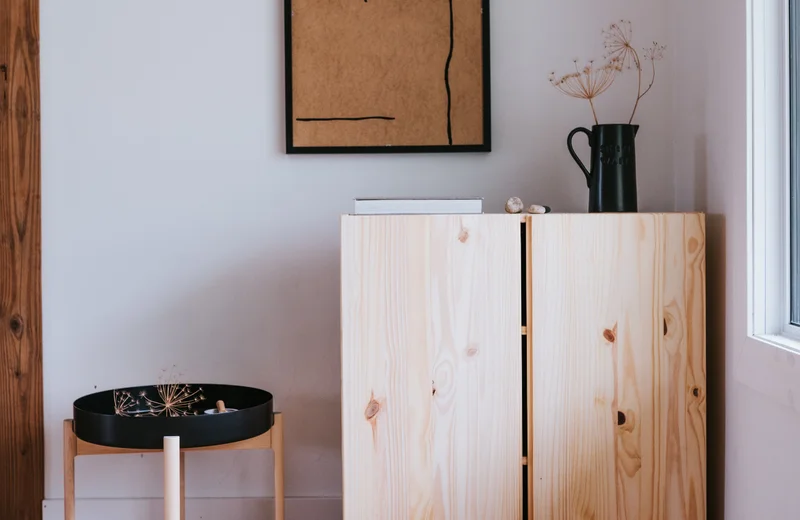
Cosiness is not an aesthetic. It’s a feeling — and the difference matters more than people think.
This is the year-round guide to cosiness as a principle. For the winter-specific version — draught-proofing, heating-bill trade-offs, and a seasonal maintenance checklist — see Winter Cosy Home Ideas UK.
You can have a room that looks cosy in photographs and feels cold and uncomfortable to actually sit in. You can have a room that photographs badly — too many books, mismatched lamps, a well-used sofa — and yet makes everyone who enters it want to stay for hours.
According to a 2024 survey by Which?, 71% of UK adults rate feeling comfortable and relaxed at home as their top housing priority, ahead of style, storage, and size. We know what we want. We just don’t always know how to create it.
I’ve been obsessing over this question — what actually creates cosiness rather than just the appearance of it — for years. Here’s what I’ve found.
TL;DR: Genuine cosiness comes from five elements working together: warm layered light, textiles in natural fibres, a deliberately chosen scent, a specific comfortable spot (not just a generally comfortable room), and the evidence of a life being lived. This guide covers all five.
Read more: living room decor ideas
1. What’s the Single Biggest Factor in Cosiness?
No element has more impact on how cosy a room feels than its lighting. A room with beautiful furniture and overhead fluorescent light will feel institutional. A room with basic furniture and three warm lamps will feel like a refuge.
The rule is simple: layer your lighting, use warm bulbs, and stop relying on a single overhead light in the evening.
According to the Lighting Industry Association, 82% of UK homes still use a single central ceiling light as their primary living room source. This is the single most common cause of rooms that feel bright but not cosy.
With 82% of UK homes still relying on a single central ceiling light, swapping in a £35–£65 floor lamp and a £25–£45 table lamp on warm 2700K bulbs is often the fastest fix for a room that feels bright but not cosy.
What to do instead:
- One floor lamp positioned in a corner (~£35–£65, Dunelm)
- One table lamp near the sofa or reading chair (~£25–£45, Next Home)
- Smaller accent sources — fairy lights behind furniture, a small lamp on a bookshelf
- All bulbs at 2700K warm white — not 4000K cool white, not 6500K daylight
The ceiling light stays off after 4pm. This one rule changes the entire feeling of an evening.
Dimmer switches make a huge difference if you can install them. They’re landlord-friendly in an owned home and cost ~£12–£20 per switch from B&Q.
2. Textiles: The Physical Language of Warmth
Cosiness is partly psychological, but it’s also physical. We feel warm when we’re surrounded by soft, tactile materials — and our brains register this warmth even before we’ve touched anything.
The cosy home has textiles everywhere: on sofas, over chairs, under feet, at windows. They absorb sound, reduce visual harshness, and signal comfort in a direct, instinctive way.
The most useful thing I’ve done to make my flat feel genuinely cosy is to keep a large, heavy throw on the sofa at all times — not folded neatly, but draped in a way that makes it clearly available. It’s an invitation. People reach for it almost immediately when they sit down.
A £25 chunky knit throw draped across the sofa, paired with a £45 wool rug underfoot, adds the tactile warmth that cheaper synthetic textiles simply don’t replicate.
What to buy and where:
- Chunky knit throw — Next Home from ~£25. Drape, don’t fold.
- Large wool or jute rug — Dunelm from ~£45. One large rug beats several small ones.
- Velvet cushions — Dunelm from ~£8 each. Cluster in warm tones.
- Linen curtains, lined — IKEA from ~£35/pair. Full-length, hung from ceiling level.
Renter note: All of the above are portable and reversible — no tenancy agreement considerations at all.
3. Why Is Scent the Most Underrated Cosy Element?
We talk about lighting and textiles, but scent is the fastest way to change the emotional atmosphere of a room. It bypasses analysis and goes directly to feeling — which is exactly what cosiness requires.
In my own experience of visiting many homes over the years, the ones that feel most immediately welcoming almost always have a distinct, pleasant scent. The ones that feel flat or unwelcoming often smell of nothing — or of the faint chemical smell of cleaning products.
Cosy scent doesn’t require a big budget — a Primark Home candle from around £4 or a Dunelm reed diffuser from £8 is enough to change the emotional atmosphere of a room almost instantly.
The scents that signal warmth and cosiness in a British domestic context tend to be:
- Amber and sandalwood — deep, resinous, warm
- Fig and cassis — fruity-woody, distinctive
- Clove and cinnamon — seasonal but very effective
- Beeswax candles — the most authentic ‘warm home’ scent there is
You don’t need to spend a lot. Primark Home’s candle range starts at ~£4. Dunelm’s reed diffusers from ~£8. Even a beeswax tealight from a farmers’ market for 50p creates the effect.
If you want to invest: Neom Organics and Diptyque are the premium UK recommendations, but neither is necessary for a genuinely cosy home.
4. What Is a Hibernation Corner, and Why Does Specificity Matter?
A common mistake is trying to make an entire room cosy all at once. This is harder than it sounds because different zones of a room are used differently — and cosy is a specific feeling associated with specific activities (reading, napping, drinking tea) rather than a room-wide state.
The more effective approach is the hibernation corner: one spot in the room that is specifically, deliberately designed for comfort.
What makes a hibernation corner work is that everything needed is within reach without getting up. Chair you love, lamp positioned for reading, small table for a cup of tea, throw within reach. The completeness of the setup is what creates the feeling of cosy rather than just the individual elements.
A complete hibernation corner — a chair like IKEA’s £115 Poäng, a reading lamp, and a side table — costs well under £150 total, yet creates more genuine cosiness than trying to redecorate an entire room.
The elements:
- A chair you genuinely want to sit in — not your sofa, a specific chair. IKEA’s Poäng at ~£115, a charity shop armchair, or Facebook Marketplace find
- A lamp at shoulder height positioned for reading
- A small side table at cup-height
- A throw within arm’s reach — not in a basket, draped nearby
- Optional: a small bookshelf or stack of books nearby
Four things. One corner. The most cosy spot in the house.
5. Layering: The Principle That Connects Everything
The cosiest rooms have layers. Not just layers of textiles, but layers of everything — light sources at different heights, materials of different textures, objects at different scales.
This is the opposite of the minimal, single-plane approach where everything is the same height and the same material and there are no surprises.
Layering works because it creates depth, which creates interest, which creates the sense that a room has been accumulated over time rather than installed all at once. Accumulated rooms feel lived in. Lived-in rooms feel cosy.
How to layer practically:
| Element | What to layer |
|---|---|
| Lighting | Floor lamp + table lamp + fairy lights + candles |
| Textiles | Rug + sofa cushions + throw + curtains |
| Height | Low coffee table + mid-height sofa + high shelving + ceiling pendant |
| Materials | Smooth ceramic + rough jute + soft velvet + matte wood |
| Living things | One large plant + smaller plants + cut flowers in a vase |
For more on choosing and arranging the plants themselves, see our plant styling ideas guide.
6. Why Are Heavy Curtains the British Cosiness Non-Negotiable?
This is the element of cosy British interiors that is most specific to our climate and housing. We have cold winters, draughty windows, and the specific pleasure of being inside when it’s dark and wet outside.
Heavy, properly lined curtains do three things at once: they reduce heat loss from windows, they block out street light and noise, and they create a visual barrier between you and the outside world that makes the inside feel more enclosed, more private, more sheltering.
I added velvet curtains to my living room in October three years ago. The room felt immediately warmer — and it was warmer, because single-glazed Victorian windows lose significant heat through unlined curtains. But the psychological warmth was just as real. The room felt like a room with an inside and an outside.
Single-glazed Victorian windows lose significant heat through unlined curtains, so heavy lined options from ~£35/pair at Dunelm or ~£45/pair at Next Home pay for themselves in both warmth and atmosphere.
Where to buy: Dunelm has excellent thermal and velvet curtains from ~£35/pair. Next Home from ~£45/pair. Always hang from ceiling level, not just above the window frame.
Priority Order
| Do this first | Then this | Approx cost |
|---|---|---|
| Replace overhead evening lighting with lamps | Use 2700K warm bulbs throughout | ~£40–£80 |
| Add a large rug to main living space | Natural fibre or warm tone | ~£45–£100 |
| Create one hibernation corner | Chair + lamp + side table + throw | ~£0–£150 |
| Add scent — reed diffuser or candle | Amber, sandalwood, or fig | ~£8–£25 |
| Hang heavy lined curtains | Full length from ceiling level | ~£35–£80 |
→ For the full living room picture, see Living Room Ideas UK. → For bedroom cosiness, see Cosy Bedroom Ideas UK. → Cosy at Christmas has its own extra layer of decorating — see Christmas Home Decor Ideas UK. → For more ideas across every room in the house, see Home Decor Inspiration UK. → For the kitchen, see Kitchen on a Budget UK — the same layered, budget-first approach.
Frequently Asked Questions
Start with lighting — replace overhead lights with lamp layers on warm 2700K bulbs. Then add one large rug, layer textiles on your sofa, and introduce a warm scent. These four changes cost under £100 and create a noticeably cosier atmosphere. See our [living room ideas guide](/blog/small-living-room-ideas-uk/) for specific product picks.
The Danish concept of hygge — cosiness as a deliberate lifestyle practice — translates naturally into British culture, though we tend not to name it. British cosiness centres on warm drinks, soft lighting, heavy curtains, a properly made fire or candle, and the specific comfort of being inside during bad weather. We've been doing hygge for centuries — we just called it 'staying in'.
Cosiness comes from specificity. A room feels cosy when it has places clearly designed for sitting comfortably, lighting that responds to the time of day, textures that invite touch, and a scent that signals rest. A beautiful room without these things feels like a set rather than a home.
Entirely possible. Lighting layers using plug-in lamps, textiles layered over existing furniture, removable rugs, scented candles and diffusers, and plants all create cosiness without touching the walls or floor. See our [rented flat makeover guide](/blog/rented-flat-makeover-uk/) for deposit-safe ideas.