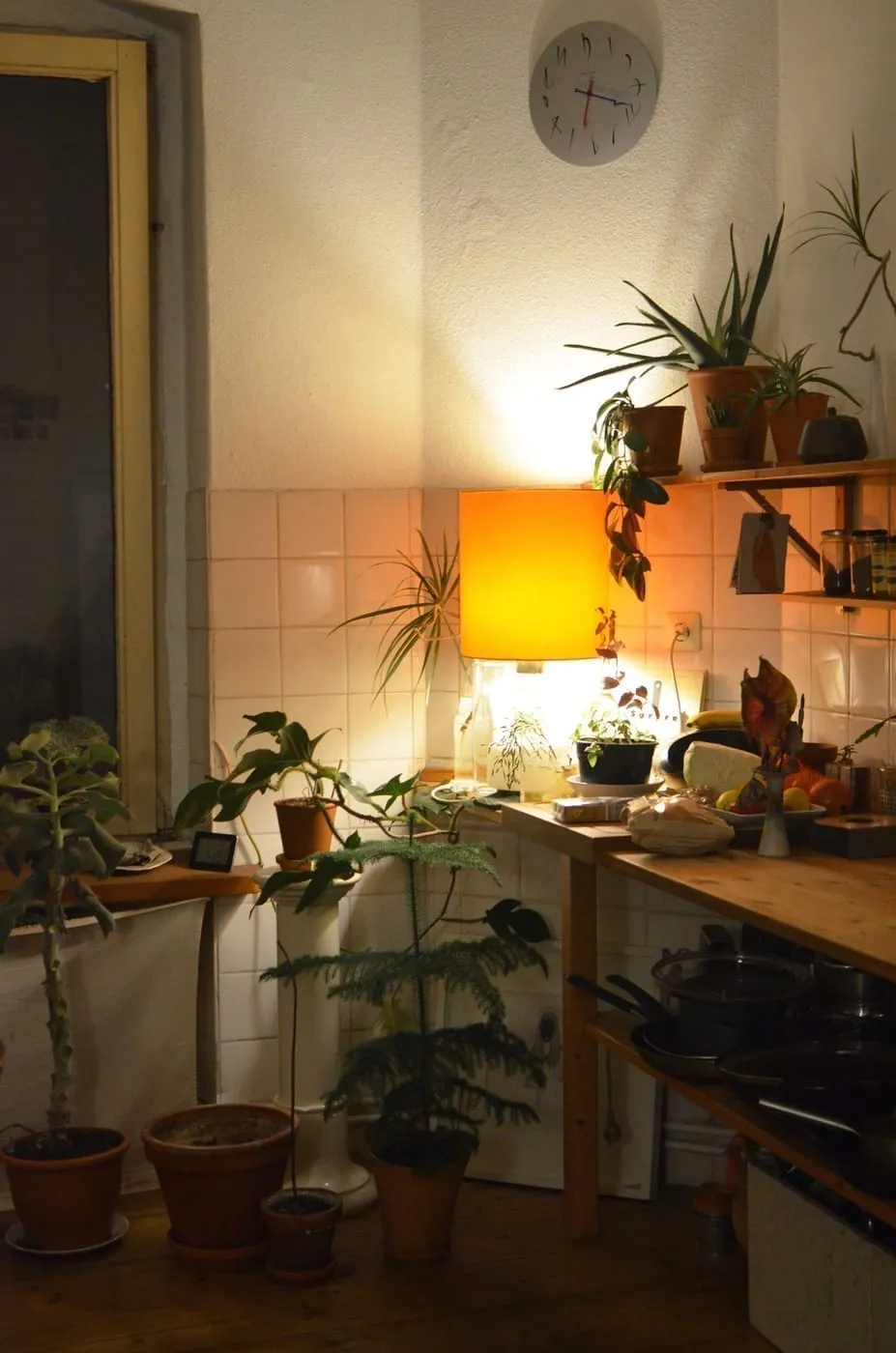
I’ve renovated three rented flats across the UK—Camden, Bristol and Manchester—and I know how tough it is to add green life without triggering deposit disputes. Loads of private renters live in flats with limited direct sunlight in the main living areas—meaning you need plants that actually cope. But here’s the thing: low light doesn’t mean no life. It just means choosing the right species and styling them cleverly.
TL;DR: Stick to snake plant, ZZ plant, and pothos—they’re tough, slow-growing, and forgiving. Use peel-and-stick or freestanding displays only (no nails or glue). Stick to one or two plant sizes per space to avoid clutter, and water sparingly (overwatering’s the #1 killer). And don’t forget: grouping three small plants looks more intentional than one lonely monstera in a dark corner.
1. Choose your fighter: the top 3 low-light plants for UK renters
Snake plant (Sansevieria trifasciata) is the gold standard. It thrives under fluorescent office lighting, so your dull hallway’s no problem. My own variegated one’s survived neglect in a north-facing bedroom for three years. ZZ plant (Zamioculcas zamiifolia) sits comfortably in low light and needs water only once every 2–3 weeks—perfect if you’re often out. Pothos (Epipremnum aureum) trains up a wall or spills over a shelf, and even recovers well if you forget it for a week. Avoid fiddle-leaf figs or calatheas—they demand more light and humidity than most UK flats provide, and their loss will nudge your decorating budget up.
2. Freestanding plant stands: the ultimate no-drill solution
Dunelm’s oak-effect freestanding plant stand (currently £19.99 on sale) works beautifully with 12–15cm pots. I’ve got one in my hallway flanked by two snake plants—no wall mounting, and it moves easily for spring cleaning. IKEA’s LACK side table (£9.99), turned sideways, also doubles as a plant tier for a grouping of three small pots. For a narrower space, the B&Q Adjustable Wooden Plant Stand (~£14.50) extends from 55–80cm tall. The key is weight: avoid tall, narrow stands that tip in high-traffic areas. Put them on smooth flooring (no rugs underneath) and choose solid wood over metal if you’re on the move.
3. Peel-and-stick shelves for vertical planting
If you’ve got 15cm of wall space above a door or between windows, peel-and-stick shelves are your friend. IKEA’s SKADIS wall shelf (with adhesive strips) is £7.99, but Dunelm’s own “No Drill” shelf range (£6.99–£12.99) has stronger backing. Stick three in a vertical line, each holding a small trailing pothos or spider plant. I tested these in my Manchester flat for six months—no residue on the emulsion, and they held 1.5kg each (enough for a 10cm pot + soil). Avoid placing them over radiators; heat dries plants out and weakens the adhesive.
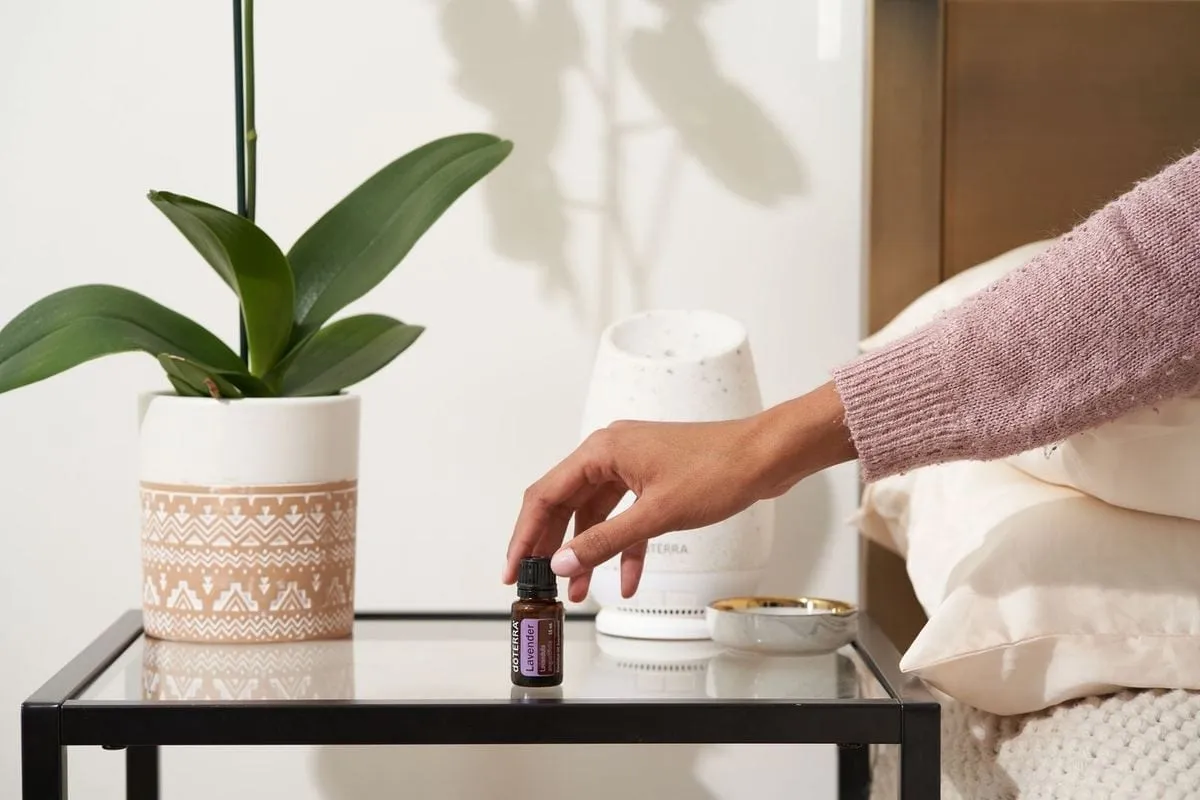
4. Use existing furniture—don’t buy new unless you have to
That tall bookcase? Stack two 10cm pots on top and let one pothos trail down the front. A sideboard or console table? Place a central ZZ plant (IKEA’s 15cm pot, £14.99) flanked by two snake plant babies (£8.99 each at Dunelm sale). Don’t forget window sills—even dim ones hold a single Tradescantia (spiderwort, £4.50 at B&Q) if it gets a few hours of indirect daylight. I once grouped four small aglaonemas on a secondhand coffee table (£12 from Facebook Marketplace), angled towards a east-facing window. It looked intentional, not cluttered.
5. Group small plants, not one large one
Big leafy plants in low light often stretch leggy and look sparse. Smaller plants (10–15cm pots) stay compact and dense. Buy three snake plant offshoots (each ~£6 at Dunelm) instead of one £35 specimen.Arrange them in a triangular grouping on a tray—B&Q’s woven coir tray is £4.99. This creates the illusion of a curated display without committing to expensive, space-hogging specimens. Pro tip: use matching pot colours for cohesion (white, terracotta, or black ceramic from IKEA’s VITASJÖ series, ~£4.99 per pot).
6. Wall backgrounds that hide flaws and boost greenery
A plain white wall behind plants can make them look even duller. Stick peel-and-stick wallpaper borders (Dunelm’s “Rustic Botanical” strip, £12.99) to the upper 20cm of the wall—behind your plant stand, not over it. They’re self-adhesive, fade-resistant for 1–2 years (plenty of time for a tenancy), and remove cleanly. For bathrooms, try a self-adhesive tile border (B&Q, ~£15 for 2m) behind a moisture-lover like peace lily. The contrast makes the leaves pop without permanent changes.

7. Light-boosting hacks that don’t cost much
Move your plants closer to the window—even 30cm makes a difference. Rotate them 180° every month so growth stays even. Reflect natural light with a cheap mirror (Next Home, £15–£25) angled behind the plant group. I dangled one in front of my kitchen’s narrow window to bounce light onto my ZZ plant. If you’re desperate, a £20 LED grow light (Amazon UK, Kingplus 12W) on a timer (set to 8am–6pm) works for low-light species in true gloom. But most UK flats need less light than you think—over-lighting (e.g., artificial 24/7) often harms them more than helps.
8. Renter-proof watering systems
Low-light plants rot from excess moisture, not drought. Use pots with drainage holes (IKEA’s 305 series, ~£4.99) inside decorativeOuter pots without holes. Place a 1cm layer of pebbles at the base of the outer pot to lift the inner pot out of any seepage. For forgetful waterers, self-watering spikes (Dunelm, ~£3.99) or a £5.99 watering globe (John Lewis) release moisture slowly. My go-to: insert a globe into each plant, fill it once a week. Even in winter, my snake plant stays turgid and green.
9. Style with secondhand and charity finds
Don’t splurge on planters—thrift stores are goldmines. I scored two stoneware jardinieres for £2 each at Bristol’s St. Vincent de Paul. Clean with soapy water, drill drainage holes if needed (a £4 masonry bit from B&Q), and you’re set. Empty tins (soup, beans) cleaned and painted in chalkboard paint (£3.50, Amazon UK) make cute desktop planters. Use a jute rug under your plant stand to muffle water rings and add texture—Dunelm’s 100x150cm rug is £12.99.
10. Seasonal adjustments for UK winters
By November, most UK flats drop below 150 lux in key areas. That’s like a dim corridor at noon. At this point, scale back watering to every 21 days for snake and ZZ plants. Move away from cold window sills—drafts shock them. Bring plants into a warmer room (like a bathroom with natural light) for a few days every fortnight. I keep mine on the hallway table, right next to the door, where residual heat from coming in keeps it stable. No need to fertilise—dormancy is natural. Expect slower growth; that’s fine.
The Low-Light Plant Priority Order
- Plant health first—Snake, ZZ, or pothos in small sizes (£4–£15 each).
- Freestanding displays only—No adhesives on walls, no permanent fixtures.
- Water sparingly—Let the top 2–3cm of soil dry fully between drinks.
- Group for impact—Three small plants beat one large one in low light.
- Background matters—Use peel-and-stick wallpaper borders to lift the look.
Styling plants in a UK flat doesn’t need drilling, deep pockets, or sunny windows. It needs smart choices, like letting a ZZ plant sit proud on a £9.99 LACK table beside a mirror that bounces what little light we get. Do that, and your flat feels lived-in—even if the only thing growing is your confidence.
→ Small living room ideas UK
→ Rented flat makeover UK
→ Kitchen on a Budget UK for where plants work best in the kitchen
Frequently Asked Questions
Snake plant (Sansevieria), ZZ plant (Zamioculcas), and peace lily (Spathiphyllum) are all ideal—they tolerate low light and don’t need frequent repotting. I keep mine in IKEA’s 305-315 series pots (~£4.99–£7.99), which sit neatly on freestanding stands and won’t scratch floors.
Yes—if you avoid permanent fixings. Tension rods (B&Q, ~£6–£12) mounted across a window bay or between bookshelves hold lightweight trailing plants like english ivy (Hedera helix). No drilling needed, and they’re fully removable.
Dunelm’s ‘Botanical’ range has £8–£15 woven fibreplanters and cement-effect pots. For sleek minimalism, IKEA’s VITASJÖ series (pebble tray + pot, ~£9.99) is excellent for damp bathrooms or hallways.
Water only when the top 2–3cm of compost is dry—usually every 10–21 days in winter. Overwatering kills low-light plants faster than under-watering. My ZZ plant sits in a Next Home ceramic saucer (£5.99) to catch excess moisture.