You’re not alone if your small UK flat feels like a giant game of Tetris every time you tidy up. A huge share of London renters live in flats under 50m² — and storage space is consistently their top pain point. I’ve renovated three rented flats across the UK (Leeds, Bristol and Manchester), and in every one, vertical storage was the only way to keep floor space clear while actually storing everything — from winter coats to holiday decorations.
TL;DR:
Vertical storage is your secret weapon for small UK flats — especially if you’re renting. The best options are renter-friendly (no nails), budget-conscious (most under £25), and utilise spaces most people ignore: over doors, above cupboards, behind hinges, and even overhead. Start with the zones where height is free but width is wasted, and you’ll gain serious breathing room.
1. Can Over-Door Storage Really Work in a UK Rental?
One of my favourite hacks for small hallways? A tall over-door storage unit. A basic over-door hanging organiser (£8-£12 at Dunelm or Amazon UK) slots neatly over a standard door (up to 4.5cm thick) and holds shoes, brooms, or even laundry detergent bottles. It’s perfect for rented bathrooms where wall units are a no-go. Dunelm’s fabric over-door organiser (£9) works great — it slots over a closet or bedroom door and has eight clear pockets for folded jumpers, hats, or pet supplies. Zero damage, easy to move, and installs in under 2 minutes. Bonus: it looks neat, not cluttered. I use one behind my bedroom door for hair tools — the flat profile means it never sticks out or gets knocked.
2. What’s the Best Tall Slim Storage Unit for a UK Flat?
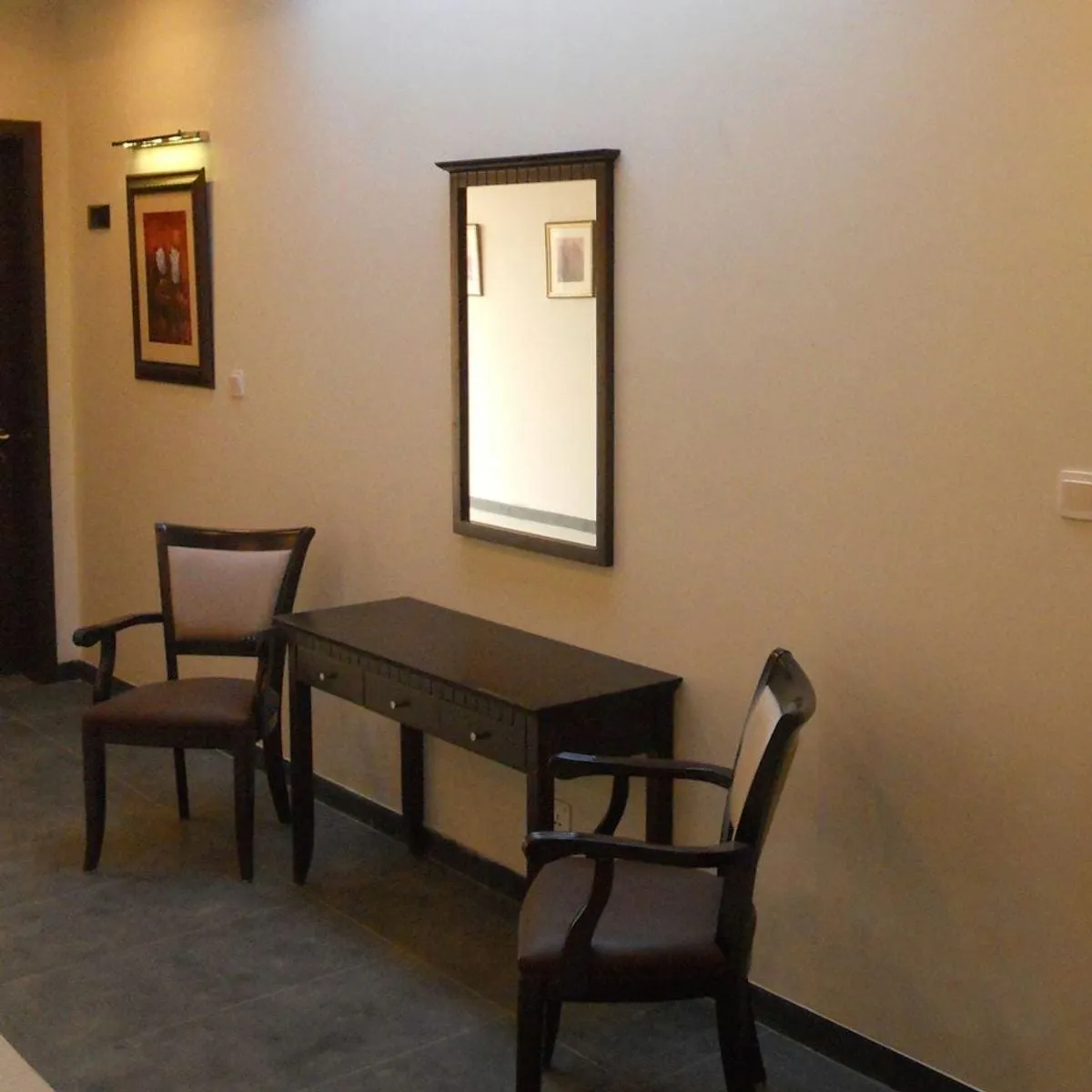
Tall, narrow shelving (think 25–30cm wide) is a lifesaver for awkward gaps beside fridges, behind doors, or in corner nooks. IKEA’s BESTÅ frame (35x180cm, ~£35 secondhand) holds five shelves — but for rentals, the next-gen flexible option is Next Home’s slim wall unit (20cm wide, £20). It leans against the wall and stays put thanks to its weighted base and rubber feet. I’ve paired mine with woven baskets (£3 each at Dunelm) to tuck away linens, pet food, or office supplies. No brackets, no drill holes, and you can slide it out to vacuum underneath — a rare joy in small-space living.
3. Can Tiered Shelf Racks Replace Built-In Storage?
A simple tiered shelf rack turns dead vertical space into functional real estate. Dunelm’s heavy-duty metal shelving unit (~£15) stands just 30cm deep and holds up to 50kg across three levels — ideal for stacking pots in the kitchen, shoes in the hall, or cleaning supplies under the sink. It’s freestanding, so renters can lift and move it without leaving a trace. I use mine vertically above my washing machine (which has a 28cm gap underneath) to hold laundry baskets. Bonus tip: Flip it sideways if you need extra floor space — the tiers then become hooks for bags or hats.
4. Can a Tension Rod and Pegboard Combo Replace Wall Storage?
Pegboards often require wall mounting, but there’s a renter-approved hack: tension rods + a lightweight pegboard. Attach two sturdy tension rods (B&Q, ~£7 for 80cm) side by side, 30–40cm apart, then hang a small pegboard (IKEA VITTSJÖ, ~£12) over the rods — it slots in and stays put. I’ve used this in my old Manchester flat to hold kitchen utensils, and it survived three moves. For a gentler option, use foam tape on the rod ends to prevent scuffing. This gives you a customisable, movable wall organiser — perfect for kitchens, home offices, or craft corners.
5. How Do You Use the Dead Zone Above Kitchen Cupboards?
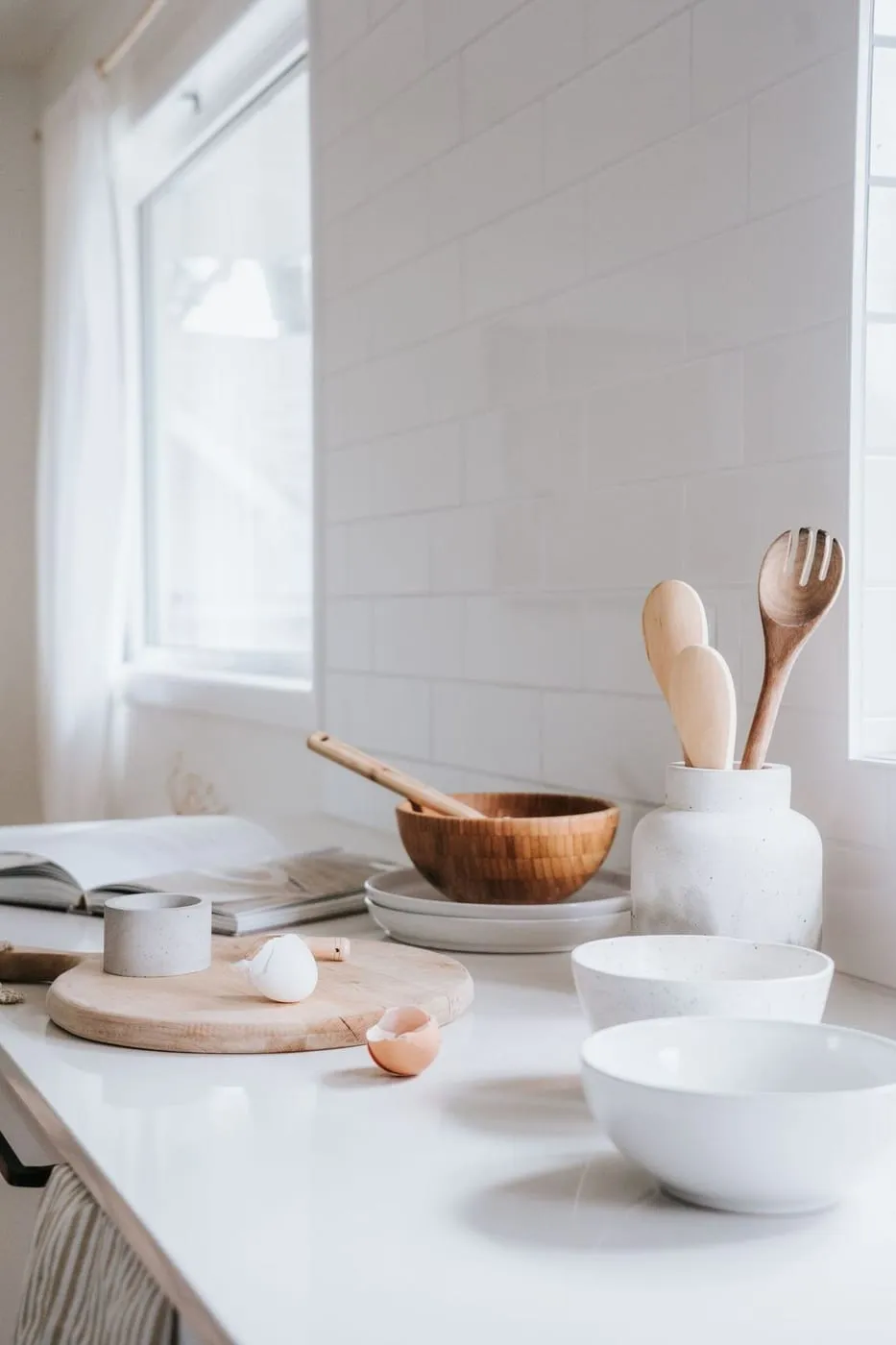
Cupboard tops are often ignored, but they’re prime real estate in small flats. Next Home’s slim overhead shelf (~£20) fits above standard kitchen units (max 180cm width) and requires only a back plate (adhesive, no nails). It holds cereal boxes, festive cookbooks, or extra pantry stock — freeing up lower shelves for daily use. For bathrooms, B&Q sells wall-mounted corner shelves (peel-and-stick, ~£8) that stick to tiles above the sink. Just ensure the surface is clean and dry before applying — I’ve had mine up for 18 months with no peeling.
6. Are Ladder Shelves Renter-Safe for Storage?
Ladder shelves lean against the wall like art, but double as serious storage. John Lewis’s Scandinavian-style wooden ladder shelf (~£25) has five slanted shelves and holds up to 25kg total. I keep mine in my flat’s lounge corner, stacking folded blankets, plants, and a reading lamp. Because it’s not fixed, you can angle it slightly if your floor isn’t perfectly flat — and you can move it when needed. For stability, place heavier items on the bottom rungs. The wood tone also adds warmth to grey, modern flats — a double win.
7. What’s the Landlord-Approved Way to Add Wall Hooks and Shelves?
If your landlord says yes to hook-and-bracket systems (many do), go for Command™ picture hooks and adjustable brackets. IKEA’s VITTSJÖ shelf bracket (~£5) clips into Command™ hooks (12-pack, ~£6 on Amazon UK), and holds up to 5kg per bracket. I’ve hung a shallow shelf above my desk this way — perfect for stationery, speaker manuals, and a tiny succulent. To install: drill only the bracket holes (the hooks attach to the wall, not the shelf). Remove by pulling the hook off — the adhesive patch peels clean. Always check with your landlord first, though!
8. What’s Better Than a Shoe Rack for Vertical Storage?
Tall flat? Use a vertical shoe rack instead of a wide one. IKEA’s FRAKTA bag (£1) stuffed with removable shelves (or even a stack of small baskets) turns a 25cm-tall gap into four shoe levels. Or try the Dunelm foldable shoe organiser (£10) — it slots into tight hallway cupboards and holds six pairs vertically. My hack: put heel-faces out and use a thin fabric divider (£1.50 at Amazon UK) between each. Saves 15cm of width per shelf — and no drilling required.
9. Can a Door-Mounted Ironing Board Save Floor Space?
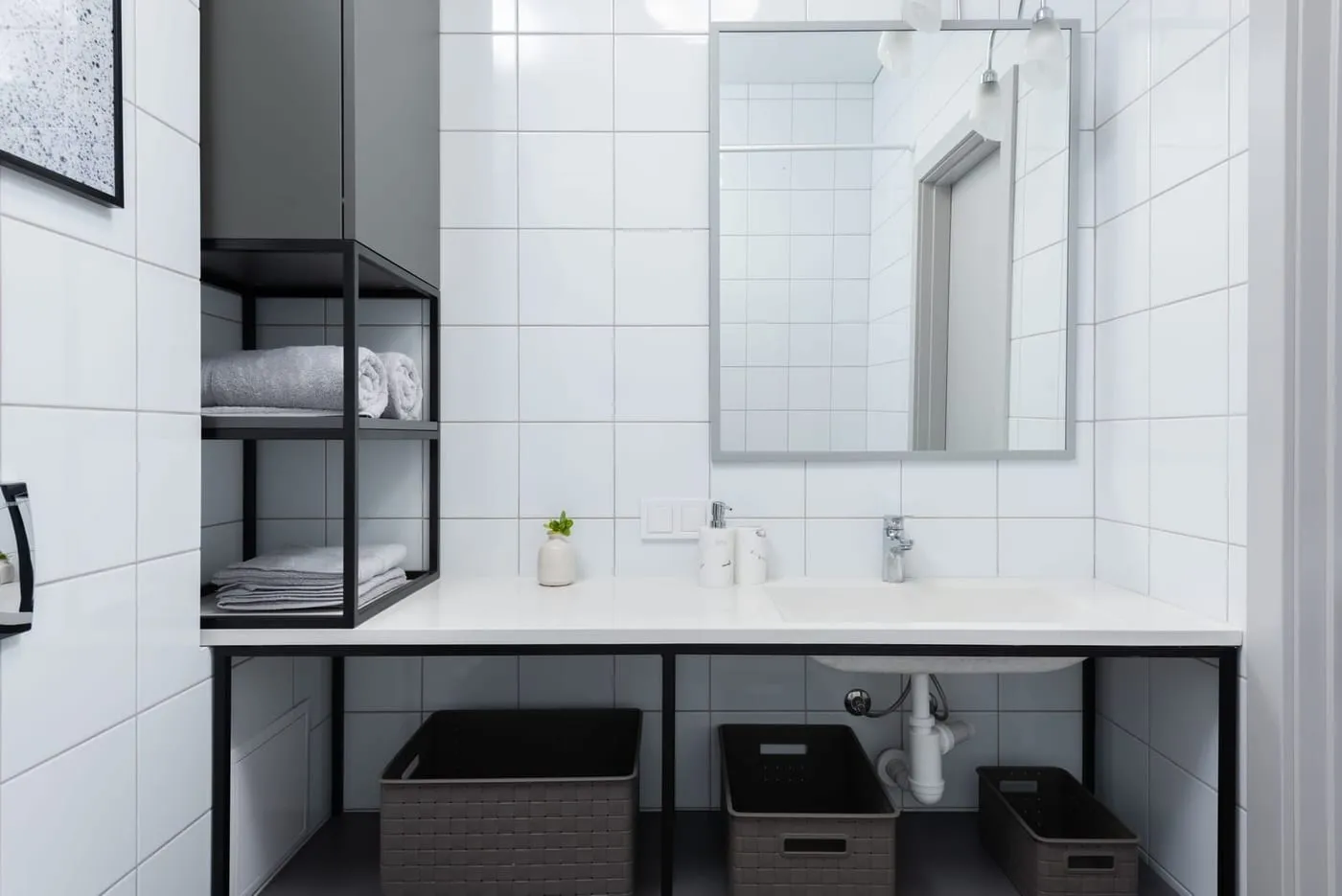
A fold-down ironing board (B&Q, ~£25) mounted on the inside of a closet or utility door saves a huge chunk of floor space. Bonus: it hides the iron when not in use. Most models clamp or screw in — for rentals, look for clamp-fit versions like the Hobart ironing board (on Amazon UK, ~£28), which uses a tension rod system. It sits flat against the door and has a protective backing so it won’t scratch paint. It’s an easy way to free up a whole drawer that would otherwise be given over to laundry gear.
10. How Do You Max Out Cupboard Space With Shelf Dividers?
Even small cupboards can hold more with vertical dividers. B&Q’s adjustable shelf divider (~£6 for 3-pack) clips onto existing wire shelving and creates extra vertical pockets for baking trays, cutting boards, or boxed food. In my kitchen, I split one deep shelf into three vertical zones — now I can stack tins and see everything at a glance, rather than digging through a dark pile.
11. Is Ceiling-Hung Storage Worth It in a High-Ceilinged Flat?
Low ceilings? Skip this one. But if you’ve got 2.5m+ headroom, ceiling hooks (with proper wall anchors — only with permission) can hold a pull-down coat rack or hanging plant system. The safest bet is a freestanding-friendly option like the IKEA LACK wall shelf (~£15), which fixes to a wall bracket (not ceiling) and holds a decent everyday load. I’ve hung mine above my front door with a coat rack underneath — perfect for daily jackets. Always use a stud finder and check your tenancy agreement first. When in doubt, skip — it’s not worth the deposit hit.
12. Can Mobile Rolling Storage Replace Fixed Vertical Units?
A rolling side table or cart (like Dunelm’s compact metal cart, ~£18) uses vertical space and mobility. Its narrow profile fits beside narrow furniture, and the shelves hold books, toiletries, or pantry snacks. I keep mine in my bathroom — the top shelf holds a folded bath sheet, middle holds loo rolls, bottom has cleaning sprays. It rolls out for use and tucks away tidy. Bonus: some have lockable castors — ideal if you’ve got pets or kids. And because it’s free-standing, you can move it between flats without a second thought.
→ How to Style a Living Room UK — with rental-friendly vertical accents
→ Rented Flat Makeover UK — real before/after ideas using vertical storage
The Vertical Storage Priority Order
- Over-door zones — easiest, fastest, zero damage
- Cupboard tops & narrow gaps — usually ignored, surprisingly deep
- Above doors and archways — ideal for lightweight baskets
- Tension rod + pegboard — for flexible, movable hooks and tools
- Freestanding tall units — safe, portable, and stylish
- Vertical dividers inside existing cupboards — low-cost, high-impact
Start in the zone where you’re most frustrated — probably that hall cupboard, front door edge, or kitchen gap — and use just one vertical idea. You’ll be shocked how much extra space opens up without spending a fortune or breaking a lease rule.
→ For the kitchen specifically, see Kitchen on a Budget UK.
Frequently Asked Questions
Absolutely — use peel-and-stick hooks (Command, ~£5 for 12), tension rods (B&Q, ~£4–£8), or freestanding furniture. Avoid nails or screws unless you have landlord permission. I've hung a full shelf system in three different lets using only brackets that clamp around door frames — zero marks left behind.
Start with underused vertical zones like above doors or behind doors. IKEA's KALLAX wall-mounted brackets + a used shelf (£12 total) or Dunelm's foldable metal rack (~£15) offer serious bang for buck. Amazon UK also sells 3-tier hanging shoe organisers for ~£8.
Freestanding tall shelves (e.g., IKEA Billy, ~£30) are great — just place them away from sockets and check floor load limits. For extra stability, use anti-tip brackets (£3 on Amazon UK) that attach to the back of the unit, not the wall. Never glue or screw to the wall unless agreed.
Yes — focus on mid-height (waist to shoulder) and overhead zones. Use ladder shelves (John Lewis, ~£25) or hanging storage like the IKEA Vittsjo I (~£8), which fixes to a wall bracket, not the ceiling. Even 10cm above a door can hold folded baskets if mounted on a sturdy bracket.