Soft minimalism is the 2026 interior trend replacing stark, cold minimalism with something warmer and easier to live in. It keeps the same decluttered instinct but swaps sharp edges, white walls, and grey everything for curved furniture, warm neutral tones, and natural textures like linen and boucle. For a small UK living room, that’s a genuinely useful shift, because a bare white box can feel clinical fast in a compact flat. This guide walks through exactly how to apply it.
TL;DR: Soft minimalism is minimalism with warmth added back in, curved furniture, warm neutrals, natural materials, and layered lamp lighting instead of one harsh overhead bulb. One curved piece, like a £199 Dunelm boucle armchair or a £45 Amazon UK curved mirror, changes the whole feel of the room. It’s gentler than Scandi and better suited to small UK flats, since it never reads as bare or severe.
What Actually Makes a Room “Soft Minimalist” Rather Than Just Minimalist?
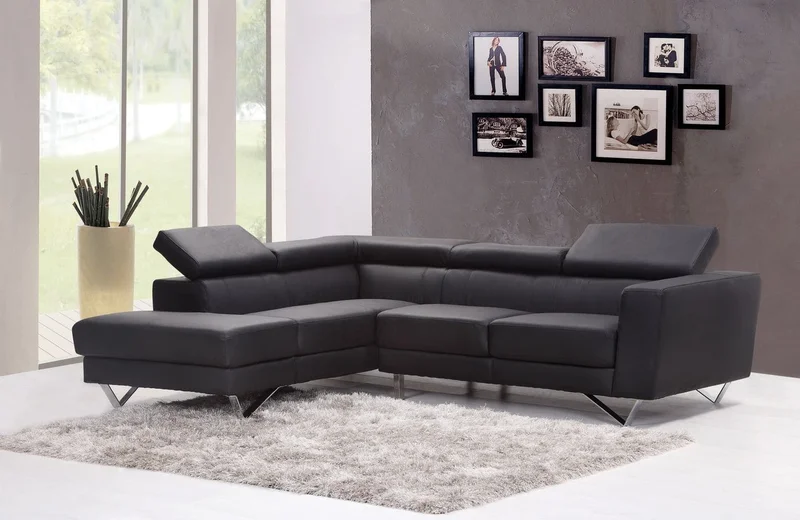
Soft minimalism is defined by warmth, not just by having less stuff. A stark minimalist room uses white walls, grey sofas, and glass or chrome furniture. A soft minimalist room uses the same decluttered layout but chooses cream, oatmeal, and warm taupe over white, and swaps hard materials for linen, boucle, and light wood.
The two styles share a rule: fewer objects, more breathing room. Where they split is texture. Stark minimalism photographs beautifully but can feel unlived-in day to day, especially in a small UK flat where you’re in the room constantly, not just visiting it. I found a fully white minimalist living room in a rented flat looked sharp in photos but felt cold every evening once the overhead light went on, which is exactly the gap soft minimalism is designed to close.
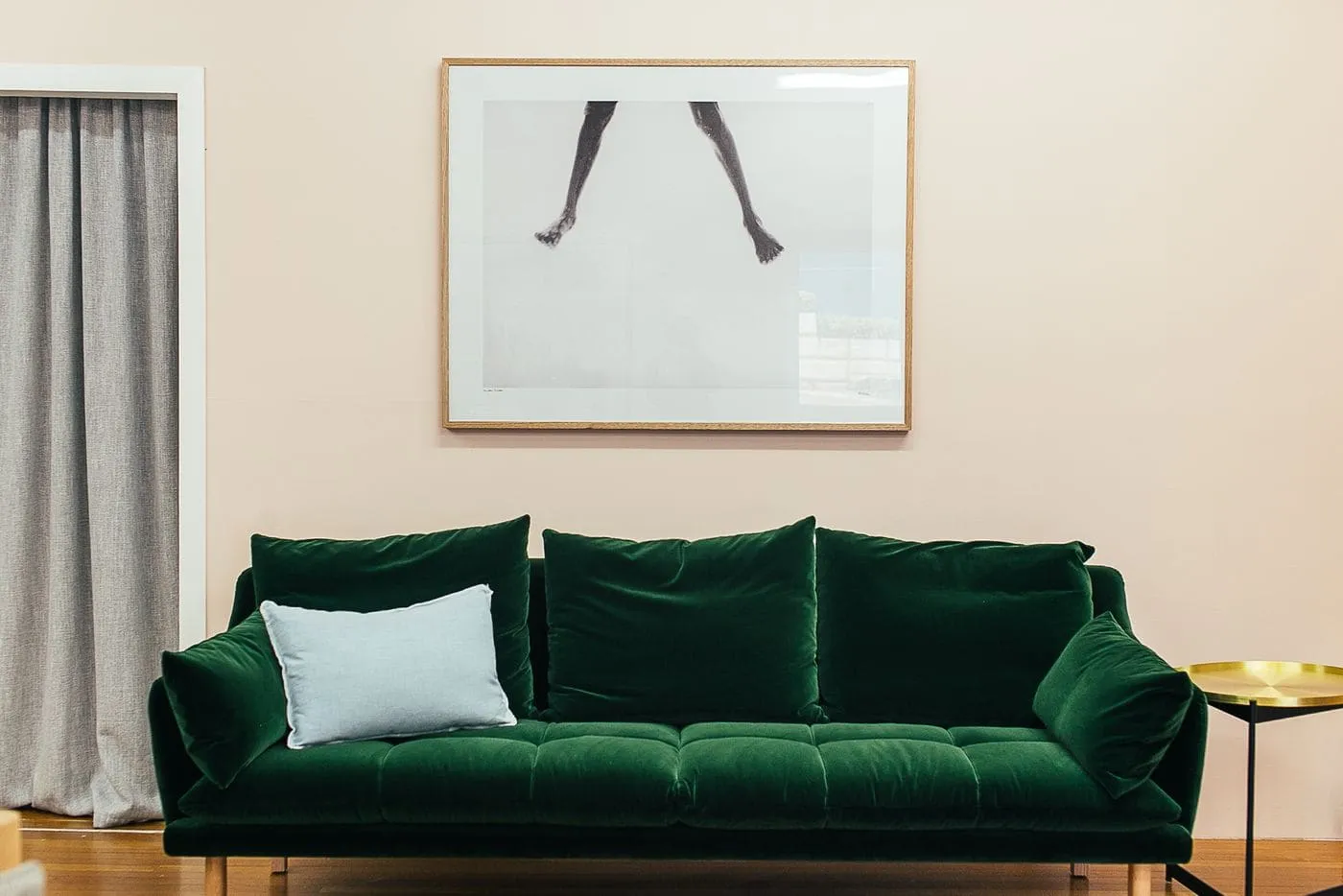
Soft minimalism also leans on shape. Straight-edged furniture gets replaced or softened with curved silhouettes, a rounded coffee table, a curved-back sofa, an arched mirror. Curves read as calmer to the eye than hard right angles, which matters more in a small room where every piece of furniture is close and visible at once.
How Do I Choose a Warm Neutral Palette Instead of Stark White or Grey?
A warm neutral palette swaps bright white and cool grey for cream, oatmeal, warm beige, and soft taupe, which reads as calmer and less clinical in a small room. Paint tester pots from Dulux or Farrow & Ball (£4-£9) let you test tones against your actual light before committing to a full room.
Stick to two or three tones within the same warm family: a cream wall, an oatmeal sofa, a warm taupe rug. This isn’t the same as adding lots of colour. It’s choosing neutrals with a warm undertone rather than a cool one, which is the whole difference between a room that feels soft and one that feels sterile.
If you’re renting and can’t repaint, warm neutrals can come entirely from soft furnishings: cushions, throws, curtains, and a rug. A cream boucle throw (£18-£25, Dunelm) over a grey sofa shifts the palette without touching the walls at all.
If you’ve already read our living room colour schemes UK guide, soft minimalism sits firmly in the warm-neutral camp of that advice, just with a stricter edit on how much you display at once.
Which Curved Furniture Pieces Make the Biggest Difference?
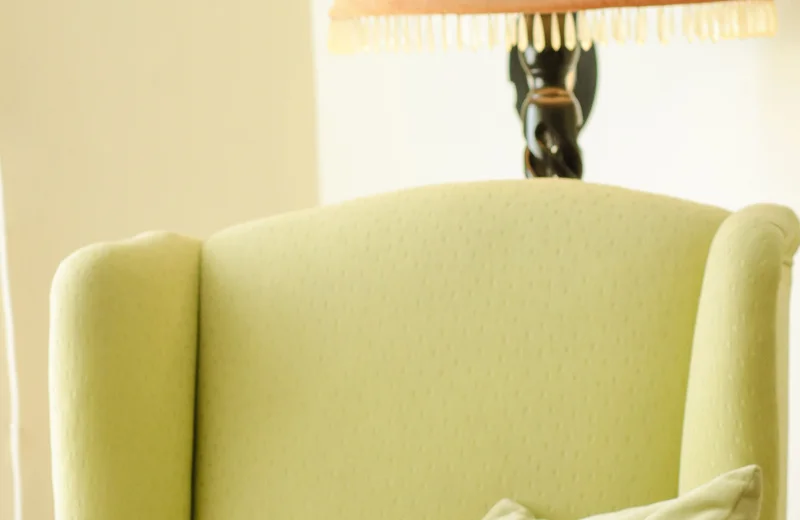
One curved piece does more visual work in soft minimalism than any other single purchase, because curves stand out against an otherwise pared-back, straight-lined room. A boucle armchair with rounded arms (from £199, Dunelm) or a curved rattan wall mirror (from £45, Amazon UK) are the two most accessible starting points.
You don’t need to replace every piece of furniture to get the look. Choose one or two curved anchors and let everything else stay simple. A curved coffee table (£89-£160, Wayfair UK) paired with a straight-edged sofa still reads as soft minimalist, because the eye lands on the curve first.
Boucle and Linen Textures to Layer In
Boucle cushions (£12-£22 each, IKEA or Dunelm) and a linen throw (£25-£40, Amazon UK) add tactile softness without adding clutter. The texture does more work than colour here: a cream boucle cushion on a cream sofa still reads as “soft” rather than “flat” because your eye picks up the texture change even when the colour is nearly identical.
A jute or wool rug (£60-£150, Dunelm or Wayfair UK) grounds the room and adds warmth underfoot, which matters in flats with wood or laminate flooring where a bare floor can feel cold both visually and literally.
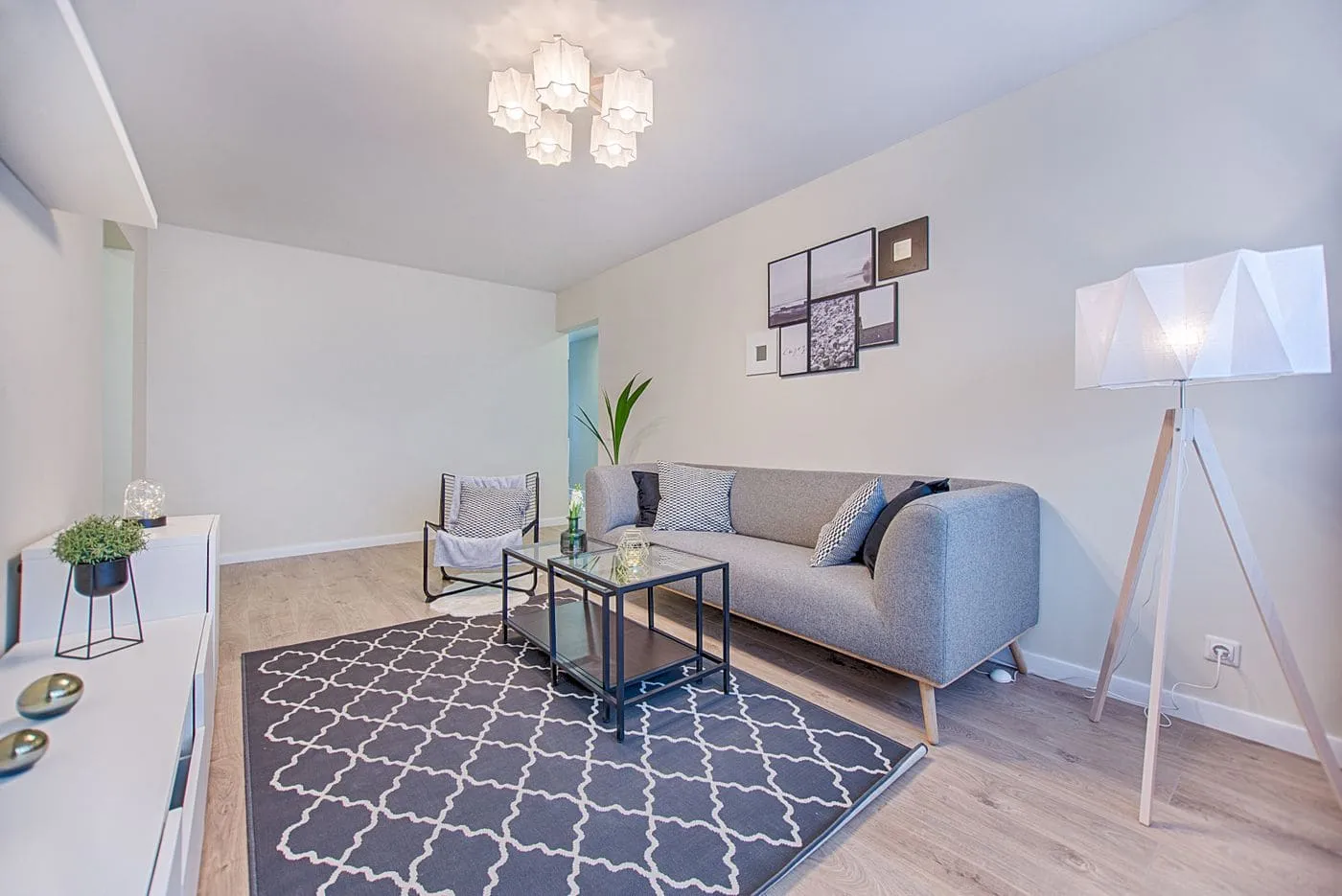
Why Does Lighting Matter More in Soft Minimalism Than in Stark Minimalism?
Layered, warm lighting is what stops a decluttered room from feeling clinical, and it’s arguably the single cheapest change on this whole list. One overhead bulb, especially a cool-white one, flattens a room and makes even warm colours look grey. Two or three lower, warmer light sources do the opposite.
Swap any cool-white bulbs for warm white (2700K) bulbs, around £3-£6 each from IKEA or Amazon UK, in every fixture in the living room. Add a floor lamp (£25-£45, IKEA or Dunelm) in a corner and a table lamp (£15-£30) near the sofa, so the room has light at three different heights rather than one source from the ceiling.
In the evening, turn the overhead light off entirely and rely on lamps. This single habit change, no extra spending required, made more visible difference to how “soft” a rented living room felt than any furniture I bought that year.
How Does Soft Minimalism Compare to Scandi Style in a Small UK Flat?
Scandi and soft minimalism share a decluttered starting point, but Scandi leans more graphic and functional, while soft minimalism leans more tactile and curved. Scandi favours black accents, clean straight lines, and cooler light woods. Soft minimalism favours rounded shapes, boucle, and warmer tones throughout.
If you already have a Scandi living room, soft minimalism isn’t a full teardown. Swap a black-framed mirror for a curved wood or rattan one, add a boucle throw over a grey sofa, and switch cool bulbs for warm ones. Three small changes shift a Scandi room noticeably toward soft minimalism without touching the furniture layout.
For a small UK flat specifically, soft minimalism has an edge: it’s less severe-looking than either stark minimalism or strict Scandi, which matters when a room has to feel comfortable at 9pm on a wet Tuesday, not just look good in daylight photos. If you want the graphic, high-contrast version instead, our scandi living room ideas UK guide covers that approach in full.
What Should Actually Stay on Display in a Soft Minimalist Living Room?
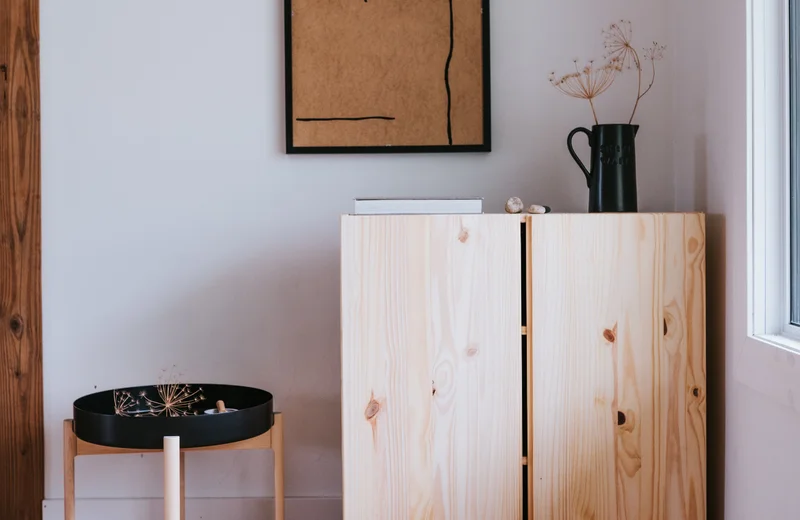
Decluttered surfaces are non-negotiable in soft minimalism, but that doesn’t mean bare. The rule is one or two considered objects per surface, chosen deliberately, rather than nothing at all or a crowded shelf. A ceramic vase and a small stack of books works. Six ornaments on the same shelf doesn’t.
Storage does the heavy lifting here. A closed cabinet or a set of woven baskets (£15-£25 each, IKEA or Amazon UK) hides everyday clutter, remotes, chargers, post, so surfaces stay visually calm without you having to actually own less.
Rotate what’s on display every season rather than displaying everything at once. This keeps the room feeling fresh and keeps the “soft minimalist” edit intact long-term, rather than slowly sliding back toward clutter.
Soft Minimalism Shopping List for a Small UK Living Room
| Item | Retailer | Price |
|---|---|---|
| Boucle armchair | Dunelm | from £199 |
| Curved rattan wall mirror | Amazon UK | from £45 |
| Curved coffee table | Wayfair UK | £89-£160 |
| Boucle cushions (each) | IKEA / Dunelm | £12-£22 |
| Linen throw | Amazon UK | £25-£40 |
| Jute or wool rug | Dunelm / Wayfair UK | £60-£150 |
| Linen curtains (pair) | IKEA / Dunelm | £35-£70 |
| Warm white (2700K) bulbs (each) | IKEA / Amazon UK | £3-£6 |
| Floor lamp | IKEA / Dunelm | £25-£45 |
| Table lamp | IKEA / Dunelm | £15-£30 |
Start with lighting and one curved piece, then layer in textures as budget allows. A useful order for a phased refresh: warm bulbs and a lamp first (under £30), then a rug or curtains, then the curved furniture piece last, since it’s usually the biggest single cost.
Soft minimalism gives a small UK living room the calm of minimalism without the coldness that can come with it. Warm neutrals, one or two curved pieces, natural textures, and layered lamp lighting get you most of the way there, often for under £300 if you start with the cheaper changes first. It’s a more forgiving, more liveable version of the pared-back look, and it suits how most of us actually use a small flat living room, evenings included, not just for photos.
Related reading you might find useful:
- Living room colour schemes UK for a deeper look at building a warm neutral palette from scratch
- Scandi living room ideas UK if you want the cooler, more graphic alternative to soft minimalism
- Small living room ideas UK for layout and space-planning basics before you start decorating
- Kitchen on a budget UK for the same soft-minimalist approach in the kitchen
- How to Style a Living Room UK for the layering fundamentals this style is built on
Frequently Asked Questions
Soft minimalism is a 2026 interior trend that keeps minimalism's decluttered, pared-back approach but replaces stark white and grey with warm neutrals, curved furniture, and natural materials like linen, boucle, and light wood. It's minimalism with texture and warmth, not bare surfaces and hard edges.
Scandi leans graphic and functional, with clean lines, black accents, and cool light woods. Soft minimalism leans tactile and curved, favouring rounded furniture, boucle and linen textures, and warmer, dimmer lighting. Both are decluttered, but soft minimalism feels noticeably softer underfoot and on the eye.
Yes. A small room needs a decluttered layout to avoid feeling cramped, but stark minimalism can feel cold in a compact UK flat. Soft minimalism keeps the pared-back layout while adding warm neutrals and curved furniture, so the room stays open without feeling severe.
A meaningful refresh is achievable from around £250-£400: a boucle armchair or throw pillows (£40-£250), a curved mirror (£45-£90), a jute or wool rug (£60-£150), and linen curtains (£35-£70) from IKEA, Dunelm, or Amazon UK.
Most of the look comes from editing, not buying. Removing excess ornaments, swapping cool-white bulbs for warm ones, and adding one curved accessory (a mirror or a boucle cushion) can shift a room noticeably before any furniture purchase.