Refreshing a small UK living room for under £150 works best when you spend in this order: lighting first, then a rug, then cushions and a throw, then wall art, then a plant. I’ve done this exact sequence in two different rented flats and the order matters almost as much as the items themselves. Get the order wrong and you end up with nice cushions in a room that still feels flat and under-lit.
TL;DR: Warm white bulbs and one lamp (£20-£30) first, a rug (£25-£45) second, cushions and a throw (£20-£30) third, Command-strip wall art (£15-£25) fourth, one plant (£8-£15) last. Total: under £150, fully reversible, no deposit risk.
Why Should Lighting Be the First Thing You Fix?
Most UK rental flats come with a single cool-white ceiling bulb, and it’s the single biggest reason a small living room feels flat and uninviting. Swapping to warm white bulbs (2700K) costs around £8 for a four-pack (Wilko, Amazon UK) and changes the entire mood of the room within minutes.
In my last flat, the living room had one central bulb and nothing else. Adding a single floor lamp in the corner did more for how the room felt in the evening than any piece of furniture I owned.
What to buy:
- Warm white LED bulbs (2700K, not 4000K or “daylight”) — ~£8 for a 4-pack at Wilko or Amazon UK
- One floor lamp or table lamp — IKEA has options from £15, Dunelm from £18-£25
- A plug-in timer socket (optional, ~£8 at B&M) if you want the lamp on a schedule without a smart bulb
Skip cool white and “daylight” bulbs entirely in a living room. They read as clinical, not cosy, and they make a small space feel smaller, not bigger.
Cost so far: £20-£30 (bulbs + lamp).
What’s the Best Cheap Rug for a Small UK Living Room?
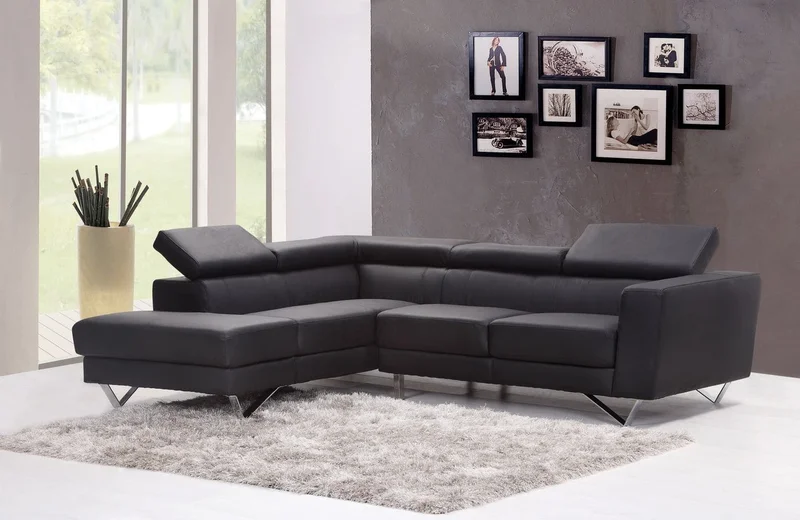
A rug in the £25-£45 range from Dunelm or IKEA does the single most important visual job in a small room: it defines where the seating area starts and stops. Without one, a small living room can look unfinished no matter what else is in it (Dunelm, 2026).
A rug that’s too small is worse than no rug at all. In a small room, aim for at least the front legs of your sofa and chairs sitting on the rug, ideally a 120x170cm or 133x195cm size depending on your layout.
Where to look:
- IKEA — flatwoven rugs from £25-£40, good for small budgets and easy to clean
- Dunelm — similar price range, more pattern options, frequent sales
- B&M — occasional rug stock, cheaper but less predictable, worth a look if you’re near a store
A lot of small-room advice says “go big with your rug,” which is true, but in a genuinely tiny UK flat living room, a mid-size rug that fits the seating cluster looks more intentional than an oversized one that runs edge to edge and makes the room feel cramped rather than open.
Cost so far: £45-£75.
How Much Should You Spend on Cushions and a Throw?
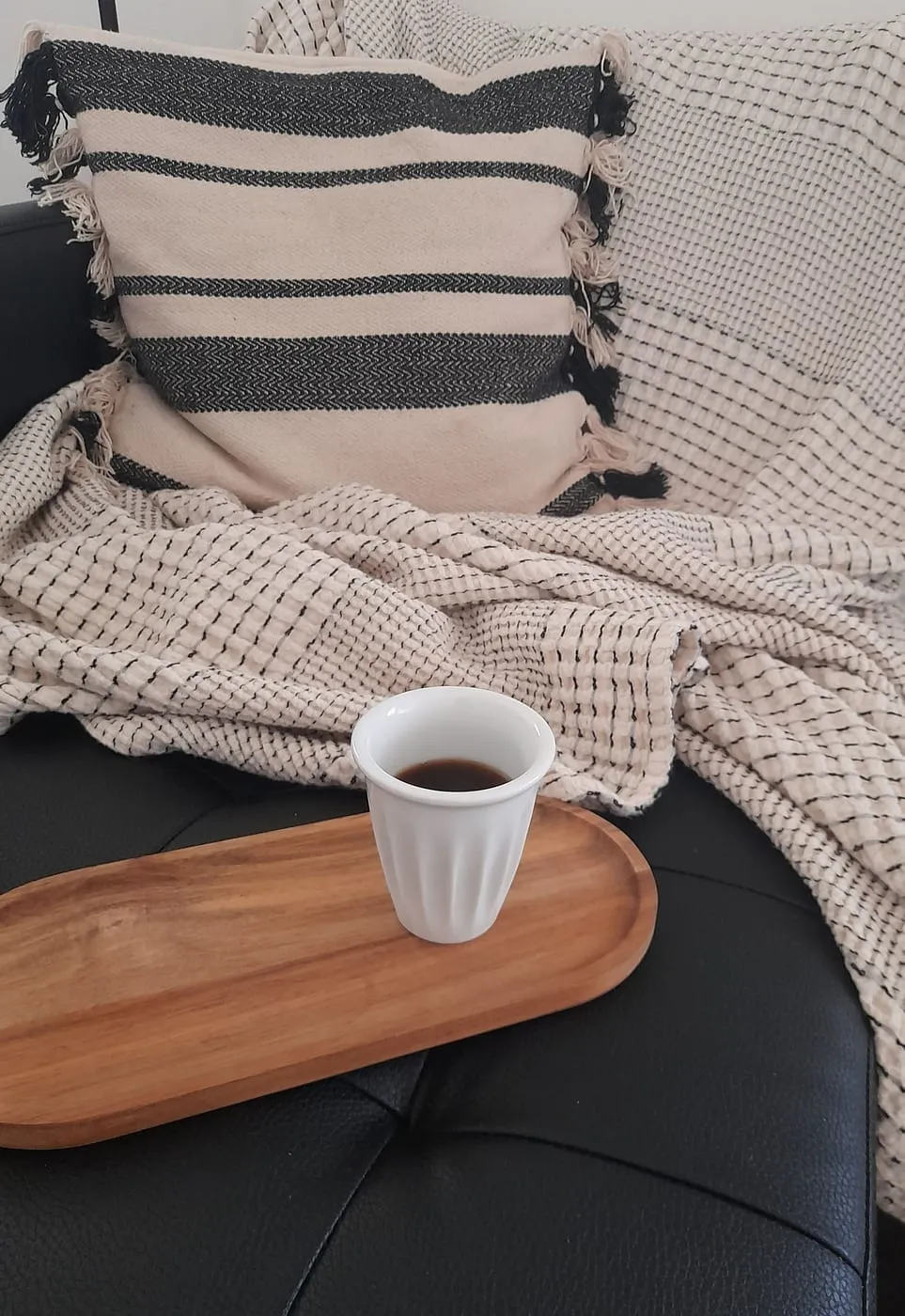
Cushions and a throw for £20-£30 total add the colour and texture that make a room feel finished, without committing to anything you can’t take with you when you move (Dunelm). This is the safest spend on the whole list for renters.
Three or four cushions in a mix of two coordinating colours, plus one textured throw over the sofa arm, is enough. You don’t need more than that in a small room, more cushions than seats just clutters the sofa.
Where to buy:
- Dunelm cushion covers from £6-£10 each
- IKEA cushion covers from £3-£8 each
- Primark Home (in larger stores) often has similar prices with more seasonal patterns
Read our guide to living room colour schemes UK before buying cushions if you’re not sure which colours to pick. It’s much cheaper to plan the palette first than to buy cushions and realise they clash with your walls.
Cost so far: £65-£105.
Can You Add Wall Art Without Damaging a Rental Wall?
Yes, Command strips (from 3M) hold picture frames without marks and cost around £6-£9 for a pack, making wall art fully deposit-safe in a rented UK flat (3M Command, 2026). This is what makes wall art worth including in a rental budget plan at all.
I’ve used Command strips across three different rentals and never had a mark left behind, as long as you follow the weight limit on the pack and remove them slowly, pulling straight down rather than out.
What to buy:
- A set of 2-3 prints or frames — Amazon UK, IKEA, or B&M all do budget frames from £5-£12 each
- Command picture-hanging strips — £6-£9 for a pack, check the weight rating matches your frame
- Group frames close together (5-8cm apart) rather than spreading them out. In a small room, one tight cluster reads as intentional; scattered frames read as unfinished.
If you want the fuller picture on arranging a room once these pieces are in, our guide on how to style a living room UK covers layout and arrangement in more depth than we can fit here.
Cost so far: £86-£139.
Is a Plant Worth Including in a £150 Budget?
Yes, a single plant costing £8-£15 finishes the room by adding life and colour that nothing else on this list provides (B&Q, 2026). It’s the smallest line item but it’s the one that makes a room feel lived-in rather than staged.
A low-maintenance option matters more than a rare or trendy one here. A pothos, snake plant, or ZZ plant survives low light and irregular watering, which suits most small UK flats that don’t get much direct sun.
Where to buy:
- B&Q and Homebase — houseplants from £8-£15
- IKEA — faux plants from £6-£10 if you’d rather skip the watering
- B&M — occasional plant stock, cheaper but variable
Cost so far: £94-£154. If you’re tight against the £150 ceiling, skip the timer socket from step one, or choose the lower end of the cushion range.
The Full £150 Priority-Spend Breakdown
Here’s the complete plan in the order it should be done, with realistic UK prices at each stage.
| Priority | Item | Where to buy | Cost (£) |
|---|---|---|---|
| 1 | Warm white LED bulbs (4-pack) | Wilko, Amazon UK | £8 |
| 1 | Floor or table lamp | IKEA, Dunelm | £15-£25 |
| 2 | Rug (120x170cm or similar) | IKEA, Dunelm | £25-£45 |
| 3 | Cushions (x3-4) + throw | Dunelm, IKEA | £20-£30 |
| 4 | Wall art (2-3 frames) + Command strips | Amazon UK, B&M | £21-£34 |
| 5 | One houseplant | B&Q, Homebase | £8-£15 |
| Total | £97-£157 |
Stay disciplined about the order. Doing the plant and cushions before the lighting is fixed means the room still looks flat in the evening, no matter how nice everything else looks.
Does This Order Actually Matter, or Can You Do It All at Once?
The order matters because each step compounds on the one before it, and doing them in reverse wastes money on items that can’t show their full effect yet. Lighting affects how every other colour and texture in the room reads, so it has to come first.
I tested the reverse order once in a previous flat, buying the rug and cushions before touching the lighting, and the room still felt flat under the original cool white bulb. Redoing the lighting afterwards made a bigger visible difference than the rug and cushions combined had.
That’s not a knock on rugs or cushions. It’s just evidence that lighting is doing more structural work in a small room than it gets credit for, and it should always come first on a tight budget.
A small UK living room doesn’t need a full renovation to feel noticeably better. Warm lighting, a rug that anchors the seating, a few soft textiles, some wall art, and one plant get you most of the way there for under £150. Do the steps in order, keep receipts where you can (Command strips and cheap lamps sometimes need returning), and don’t feel obliged to spend the full budget in one go. Spreading it across two or three paydays works just as well.
Related reading you might find useful:
- Living room colour schemes UK for choosing a palette before you buy cushions or a rug
- How to style a living room UK for arranging everything once it’s all in the room
- Kitchen on a budget UK for the same under-£200 approach in the kitchen
Frequently Asked Questions
Start with lighting: warm white bulbs (~£8 for 4 at Wilko or Amazon UK) and one lamp (£15-£25 at IKEA or Dunelm). Add a rug (£25-£45), cushions and a throw (£20-£30), Command-strip wall art (£15-£25), and one plant (£8-£15). That's a full refresh for under £150.
Lighting. Swapping cool white bulbs for warm white ones (2700K) costs around £8 for a four-pack and changes the whole mood of a room in minutes. It's the highest-impact, lowest-cost change on this list.
Dunelm and IKEA both do rugs from around £25-£45 in small-room sizes (120x170cm or 133x195cm). B&M occasionally stocks similar sizes for less, but stock varies by store, so check Dunelm or IKEA online first if you need something specific.
Yes. Command strips (from 3M) hold picture frames and light art up to a few kilograms and come off cleanly without marking most painted walls. A pack of Command picture-hanging strips costs around £6-£9 at Wilko, Dunelm, or Amazon UK.
Under £150 covers most of it: warm lighting (£20-£30), a rug to define the seating zone (£25-£45), cushions and a throw for softness (£20-£30), wall art to draw the eye up (£15-£25), and one plant for life (£8-£15). None of it requires structural changes.