Most cottagecore content on the internet is American — farmhouses with wraparound porches, mason jars, and shiplap walls. That’s a lovely aesthetic for American homes. But it has almost nothing to do with British cottagecore, which draws from a completely different tradition: the English countryside, hedgerow foraging, Victorian botanical obsession, and the particular cosiness of a low-beamed cottage bedroom in autumn.
The good news is that British homes are practically built for this. Victorian terraces, stone cottages, purpose-built flats with their standard dimensions — they all carry the aesthetic more naturally than you’d expect.
I’ve been building the cottagecore bedroom in my own Victorian terrace for two years. Here’s what actually works, what to buy, and what to make.
TL;DR: The foundations are dried flowers, linen bedding, botanical elements on the walls, and earthy tones throughout. Most of it costs under £100 total if you’re strategic about charity shops and Etsy. Renters can achieve the full look without a single permanent change.
1. What’s the Fastest Way to Get the Cottagecore Look with Dried Flowers?
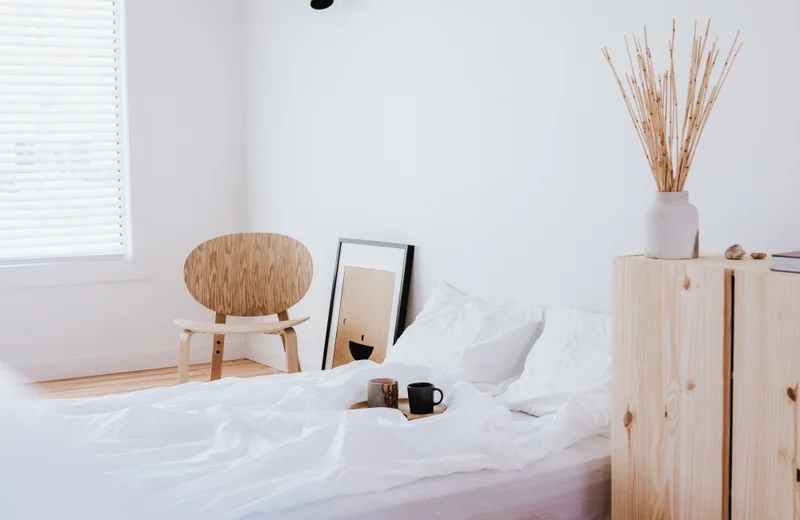
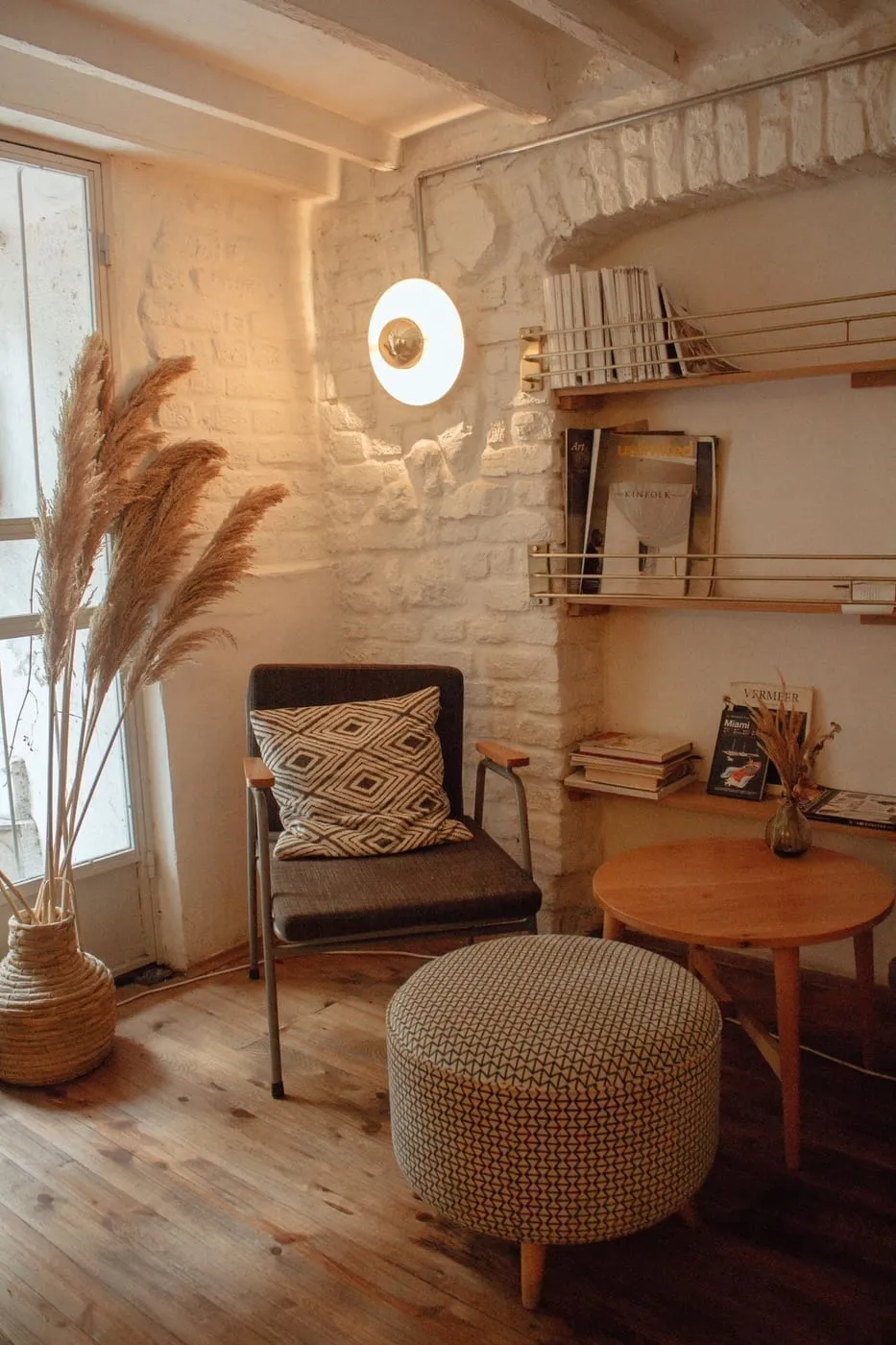
Dried flowers are the signature cottagecore element — and they’re one of the most accessible, because they genuinely improve with time rather than dying on you. A bunch of dried pampas, lunaria (honesty), lavender, or wheat sits in a simple vase and the room shifts immediately.
Dried flower bunches from Etsy UK sellers typically cost £10–£18 delivered, making them one of the cheapest single changes that visibly shifts a British bedroom’s look.
Where to buy: Etsy UK sellers offer excellent dried flower bunches, often foraged or grown in Britain, from around £10–£18 delivered. Local florists are also worth asking — many stock dried bunches alongside fresh flowers.
What to display them in: Rough ceramic vases, simple glass bottles, wicker baskets, or old stoneware jugs. Avoid plastic and anything too polished or modern. The vessel matters as much as the flowers.
I keep a large bunch of dried pampas in a vintage stoneware jug on my window ledge and smaller bunches of lavender hanging from a hook beside the window. The lavender doubles as a sleep aid, which feels very appropriately cottagecore.
Seasonal tip: In summer, British hedgerows are full of materials for drying — grasses, seed heads, small branches of berries before they ripen. Foraged and dried, these are free and look completely authentic because they are.
2. Linen Bedding: The Textile Foundation
If dried flowers are the fastest win, linen bedding is the most important investment. Nothing defines the cottagecore bedroom aesthetic more than the soft, slightly rumpled texture of linen — it looks like it belongs in a farmhouse even in a modern flat.
True flax linen bedding runs £100–£200 for a duvet and pillowcase set, while linen-look cotton alternatives from Dunelm start at around £35 — a price gap wide enough to shape which route most renters choose.
True linen (flax-based linen) is expensive — expect to pay £100–£200 for a good duvet cover and pillowcase set from Bedfolk or Piglet in Bed. It’s worth it if you can afford it, because linen genuinely improves with every wash and lasts for years.
Linen-look alternatives: Dunelm’s Dorma range does an excellent stonewashed linen-look cotton from around £35 for a double duvet cover. Next Home also has a good washed cotton range. These don’t have the same feel as real linen, but the visual effect is very close.
Colour: For cottagecore, choose undyed or naturally dyed tones — oatmeal, soft white, dusty sage, muted rose, warm grey. Avoid bright colours and anything too crisp or white.
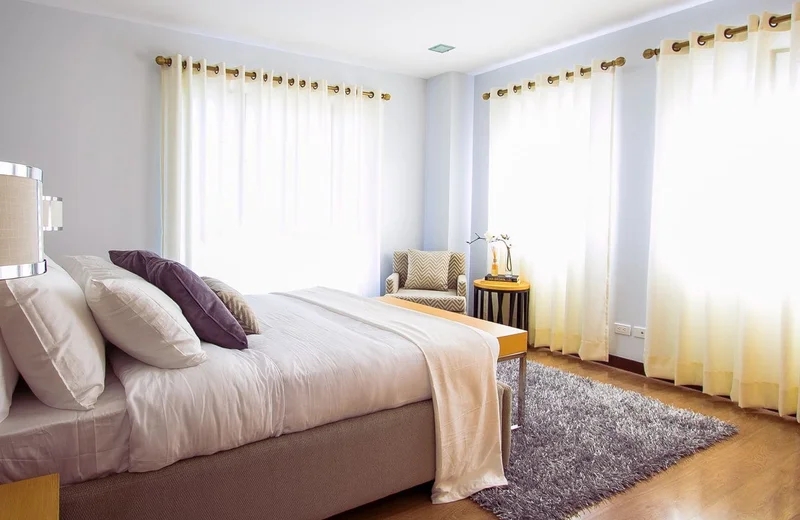
Layering: The cottagecore bed is always layered. A flat sheet, a linen duvet, a vintage quilt or crochet blanket folded at the foot, and at least three pillows in different sizes — Euro square behind, standard in front. The goal is a bed that looks like it’s been slept in and remade by someone who cares about it, not styled for a photograph.
3. How Do You Style Botanical Prints and Wall Displays?
The Victorians were obsessed with botanical illustration — scientific drawings of plants, flowers, insects, and natural specimens that were both accurate and genuinely beautiful. This obsession defines the cottagecore aesthetic perfectly, and original Victorian botanical prints are still surprisingly affordable.
Original Victorian botanical prints from eBay UK and Etsy can be found from £5–£30 depending on size and condition, meaning genuine 19th-century illustrations are often cheaper than a framed reproduction.
Original prints: Search eBay UK and Etsy for “antique botanical print” — original Victorian illustrations from scientific journals can be found from £5–£30 depending on size and condition. These are not reproductions; they’re actual pages from 19th-century natural history publications.
Reproductions: Download free public domain botanical illustrations from the Biodiversity Heritage Library (biodiversitylibrary.org) — a vast archive of scanned historical natural history books with beautiful illustrations. Print them at your local Rymans or at home, frame in simple wooden frames, and you have a gallery wall for the cost of the frames.
Pressed flowers: A frame of pressed wildflowers — picked from the garden or hedgerow and dried under heavy books for two weeks — is one of the most genuinely cottagecore things you can put on a bedroom wall, and it costs nothing but time.
4. What’s the Right Wall Colour for a Cottagecore Bedroom?
Pure white walls feel wrong in a cottagecore bedroom. The aesthetic calls for walls that feel aged, warm, and as if they’ve absorbed a hundred years of candlelight.
Dulux ‘Warm Truffle’ delivers a Farrow & Ball-style warm grey-taupe for about £35 a tin, proving the aged, candlelit cottagecore wall look doesn’t require premium paint prices.
The best paint options for cottagecore bedrooms:
- Farrow & Ball ‘Mole’s Breath’ — a warm grey-taupe with a slightly green undertone. Looks different at different times of day and genuinely beautiful by lamplight.
- Dulux ‘Warm Truffle’ — similar territory, more accessible price (~£35 for 2.5L)
- Farrow & Ball ‘Jitney’ — a warm, dusty mushroom tone
- Wilko ‘Mushroom Taupe’ — an affordable alternative that reads very similarly in warm light
For renters, the right textiles and lighting can suggest these tones even against magnolia walls. A warm amber lampshade changes the perception of wall colour dramatically — a magnolia wall under a warm bulb reads as almost cream.
5. Wicker, Rattan, and Natural Materials
Cottagecore bedrooms are grounded in natural materials — wood, wicker, cotton, linen, ceramic, and iron. Plastic, chrome, and synthetic materials break the spell immediately.
A wicker or rattan headboard from Wayfair UK starts around £80, while budget pieces like the IKEA LERBERG shelf (£25) and NESNA bedside table (£22) prove the natural-materials look scales to almost any budget.
What to look for:
- A wicker or rattan headboard (Wayfair UK has good options from ~£80)
- Wicker bedside baskets instead of bedside tables for a renter-friendly option
- A wooden ladder shelf for throws and extra pillows
- Iron hooks on the back of the door for hanging clothes and bags
- Ceramic or stoneware pots for plants
The IKEA LERBERG shelf (£25) and the basic NESNA bamboo bedside table (£22) are both excellent budget-friendly starting points that don’t look like IKEA once you style them.
6. How Should You Light a Cottagecore Bedroom?
The cottagecore bedroom rejects overhead lighting completely. This isn’t just aesthetic preference — it’s practical in British bedrooms, where the typical overhead light is both too bright and too cold.
Swapping overhead lighting for bedside lamps, candles, and fairy lights costs under £40 in total, yet the Lighting Industry Association cites it as one of the most significant quality-of-life upgrades UK homeowners report making.
Replace overhead lighting with:
- Two bedside lamps on warm 2700K bulbs
- A cluster of pillar candles on a fireplace mantle or low shelf (in holders, never freestanding)
- A fairy light string along the headboard or window frame
- A small table lantern from a charity shop or Dunelm (~£12–£20)
According to Lighting Industry Association data, switching from overhead to layered warm lighting is one of the most significant quality-of-life improvements UK homeowners report making — and it costs under £40 to achieve in most bedrooms.
7. Which Plants Work Best in a Cottagecore Bedroom?
A cottagecore bedroom has plants — but specific plants that feel right. Not the architectural, structural plants of a minimalist interior (bird of paradise, monstera with a rigid moss pole) but softer, more romantic varieties.
The best plants for cottagecore bedrooms:
- Trailing ivy in a terracotta pot on a high shelf
- Ferns on the windowsill (Boston fern, maidenhair fern)
- Small herb pots — lavender, rosemary, thyme
- Trailing pothos growing along a high shelf
- Pressed dried flowers in frames (already mentioned above)
Most of these do well in the moderate British light and don’t require a south-facing window. Terracotta pots are non-negotiable — plastic pots break the aesthetic completely.
8. Vintage and Charity Shop Sourcing
The cottagecore aesthetic specifically benefits from objects that look old — and old things cost nothing in British charity shops.
My entire charity-shop cottagecore display — a stoneware jug, a pair of brass candlesticks, and a vintage quilt — cost under £15 combined, proof that the aesthetic’s authenticity doesn’t scale with spend.
What to look for:
- Stoneware or ceramic vases in muted tones
- Vintage picture frames in wood or tarnished gold
- Old quilts or crocheted blankets (genuinely cosy, genuinely free from the aesthetic effort)
- Brass candlesticks in varying heights
- Old jam jars and glass bottles for dried flowers
I’ve built most of my cottagecore displays from charity shop finds. The stoneware jug on my windowsill (£2 from Oxfam), the brass candlesticks on my mantle (£4 for a pair from BHF), the vintage quilt at the end of my bed (£6 from Sue Ryder) — none of it cost more than £15 combined, and none of it looks like it came from a charity shop in context.
Priority Checklist
| Step | What to do | Approx cost |
|---|---|---|
| 1 | Add a bunch of dried flowers in a vintage vessel | ~£10–£18 |
| 2 | Switch to linen-look bedding in a muted tone | ~£35–£50 |
| 3 | Print and frame 3-4 botanical illustrations | ~£10–£20 (frames only) |
| 4 | Replace overhead bulb with warm 2700K alternative | ~£5 |
| 5 | Add two bedside lamps in ceramic or wicker | ~£25–£50 |
| 6 | Source 3 charity shop objects for a grouped display | ~£5–£15 |
| 7 | Plant a trailing ivy or fern in a terracotta pot | ~£8–£15 |
→ For warm bedroom lighting ideas see 15 Cosy Bedroom Ideas for UK Homes. → For bedroom colour palette guidance see Bedroom Colour Ideas UK. → For the same cottagecore warmth in the kitchen see Kitchen on a Budget UK. → For the full room makeover sequence this style layers onto, see 13 Bedroom Makeover Ideas UK.
Frequently Asked Questions
Cottagecore is an aesthetic inspired by romanticised rural life — think dried wildflowers, vintage quilts, botanical illustrations, wicker baskets, candlelight, and a general sense that the room has grown organically rather than been styled. It's particularly well-suited to British homes. See our [cosy bedroom ideas guide](/blog/cosy-bedroom-ideas-uk/) for related ideas.
Start with three things: dried flowers in a simple vase, linen or linen-look bedding, and something botanical on the walls — a pressed flower frame, a vintage botanical print, or even a dried wreath. From there it builds naturally.
Earthy, muted tones — mushroom, warm taupe, sage green, dusty rose, and cream. Avoid bright or sharp colours. The palette should feel like it came from nature, not a paint chart. See our [bedroom colour ideas guide](/blog/bedroom-colour-ideas-uk/) for specific paint names.
Etsy UK for handmade and vintage pieces, charity shops for vintage frames and ceramics, Dunelm for linen bedding and wicker accessories, IKEA for basic furniture to layer over, and your local florist or a farmers' market for dried flowers. Many cottagecore elements can also be foraged from British hedgerows and gardens in season.